
How to Know If Your Pool Salt Cell Is Bad - 7 Warning Signs

Salt cell dying? What warning signs should I watch for?
Read full question
Opened up my new place's pool equipment for the first time and this salt cell has crusty white buildup everywhere while chlorine levels keep tanking.
What are the telltale signs that a salt cell is actually failing? I don't want to replace it unnecessarily, but I also don't want to keep throwing money at chemicals if the real problem is a dead cell. Are there specific things I should check or test to know for sure?
Quick Answer
A failing salt cell shows signs like low chlorine production despite proper salt levels, calcium buildup on plates, error codes on the control unit, or visible damage to the cell housing. Test by checking amperage draw and inspecting the plates for scaling or corrosion.
Visual Inspection Signs
Start your diagnosis with a thorough visual inspection of the salt cell. Remove the cell from your plumbing system and examine it closely under good lighting.
Calcium Scale Buildup
Heavy white, chalky deposits on the electrode plates indicate calcium scaling. While some scaling is normal and can be cleaned, excessive buildup that doesn't come off with muriatic acid cleaning suggests the cell is nearing end of life. The plates should have a dark metallic appearance when clean - if they remain white or gray after acid cleaning, replacement is needed.
Physical Damage
Look for cracks in the cell housing, broken or missing electrode plates, or loose connections. Any physical damage to the cell body or internal components means immediate replacement. Check the threaded unions for stress cracks, which can cause water leaks and electrical issues.
Electrode Plate Condition
Healthy electrode plates should be evenly spaced and relatively straight. Warped, bent, or corroded plates indicate the cell has reached its operational limit. Missing pieces of coating on the plates or visible metal corrosion are definitive signs of failure.
Performance Testing Methods
Beyond visual inspection, performance testing gives you concrete data about your salt cell's condition.
Amperage Draw Test
This is the most accurate diagnostic test. With your salt cell installed and the system running at 100% output, use a clamp-on ammeter to measure the amperage draw on the cell's power cable. Note: This test requires the system to be powered on, unlike visual inspections which should be done with power off. Compare this reading to the manufacturer's specifications - which varies by cell size and manufacturer (typically about 2-8 amps for residential cells - check your manufacturer's spec). If the draw is more than 10% below rated amperage, the cell is failing. Note that amperage also drops in cold water, so compare against a warm-water baseline before condemning the cell.
Chlorine Production Test
Conduct this test when your salt level is confirmed between 2700-3400 ppm. Turn your salt system to maximum output for 24 hours, then test free chlorine levels. A healthy cell should produce adequate chlorine to maintain free chlorine at the right level for your CYACyanuric Acid (stabilizer) — Sunscreen for your chlorine — it keeps sunlight from burning it off. The catch: the more you have, the more chlorine you need to keep. learn more → (typically 6-8 ppm for a salt/SWG pool), though production varies significantly based on cell size, output percentage, and pool conditions. Consistently low production despite proper salt levels indicates cell deterioration.
Electronic System Indicators
Modern salt systems provide valuable diagnostic information through their control panels and displays.
Error Codes and Alarms
Pay attention to any error codes displayed on your control unit. Common codes include "Check Cell," "Low Salt" (when salt levels are actually correct), "High Salt," or "Inspect Cell." These codes often indicate the system isn't reading the cell properly due to internal cell problems.
Inconsistent Salt Readings
If your control panel shows erratic salt level readings that don't match manual test results, the cell's ability to conduct electricity may be compromised. This often happens as the electrode coating deteriorates.
Water Chemistry Clues
Your pool's water chemistry can reveal salt cell problems before they become obvious.
Persistent Low Chlorine
Despite running your salt system at high output with proper salt levels (2700-3400 ppm), you consistently measure low free chlorine levels below 2 ppm. This is often the first sign pool owners notice when their cell begins failing.
pH Instability
Salt pools tend to drift toward higher pH while the cell is actively producing - mostly from the cell aerating the water and off-gassing CO2, rather than the chlorine chemistry itself. If your pH has stopped rising or becomes easier to maintain, it might indicate reduced cell activity. However, this should be considered alongside other symptoms since pH stability can have many causes.
Operational Age Considerations
Salt cells have finite lifespans that depend on usage and maintenance.
Cell Hour Monitoring
Most quality salt systems track cell operating hours. Residential cells are typically rated around 10,000 operating hours, which works out to roughly 3-7 years depending on run time and water chemistry. If your cell is approaching these hours and showing performance issues, replacement is likely needed.
Cleaning History Impact
Cells requiring cleaning more frequently than every 3 months, or cells that don't respond well to muriatic acid cleaning, are showing signs of wear. If you're cleaning monthly and still seeing poor performance, the cell is probably failing.
Professional Diagnostic Steps
When home testing is inconclusive, professional diagnostics can provide definitive answers.
Load Testing
Pool professionals can perform load testing using specialized equipment that measures the cell's current output and internal resistance characteristics. This test reveals internal resistance problems not visible during basic amp draw testing.
Conductivity Testing
Using conductivity meters, technicians can measure how effectively your cell transfers electrical current through the salt water. Poor conductivity despite adequate salt levels indicates electrode deterioration.
Preventive Maintenance Tips
Warning: Always turn off power to your salt system before removing or inspecting the cell to prevent electrical shock.
Regular maintenance extends cell life and helps you identify problems early. Clean your cell only when you see scale (often every few months) using a dilute solution of about 1 part muriatic acid to 4 parts water (always add acid to water, never water to acid) and a soak of roughly 15 minutes, maintaining your pool's pH between 7.2-7.6, and keeping salt levels stable between 2700-3400 ppm.
Monitor your cell's amperage draw monthly during swimming season to establish baseline readings. Document cleaning dates and any performance changes to track deterioration patterns over time.
When to Replace vs. Repair
Salt cells are generally not repairable - they're consumable components designed for replacement. If your diagnostic testing confirms poor performance and the cell is over 3 years old or has significant operating hours, replacement is the most cost-effective solution. Attempting repairs on salt cells typically provides only temporary fixes and isn't recommended by manufacturers.
For the full breakdown of safe chlorine levels by CYA level, see our pool water chemistry guide or use the all-in-one pool calculator for an estimate of the free chlorine for your CYA.
 Taylor K-2006C Complete FAS-DPD Pool & Spa Test Kit
The FAS-DPD kit pool pros trust — reads chlorine accurately even at shock/SLAM levels, plus pH, alkalinity, calcium hardness and CYA. View on Amazon →
Taylor K-2006C Complete FAS-DPD Pool & Spa Test Kit
The FAS-DPD kit pool pros trust — reads chlorine accurately even at shock/SLAM levels, plus pH, alkalinity, calcium hardness and CYA. View on Amazon →
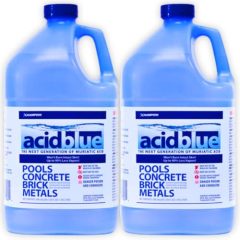 Acid Blue - Low Fume Muriatic Acid for Swimming Pools & Spas - Lower's pH, Reduces Alkalinity - 2 Gallon
View on Amazon →
Acid Blue - Low Fume Muriatic Acid for Swimming Pools & Spas - Lower's pH, Reduces Alkalinity - 2 Gallon
View on Amazon →
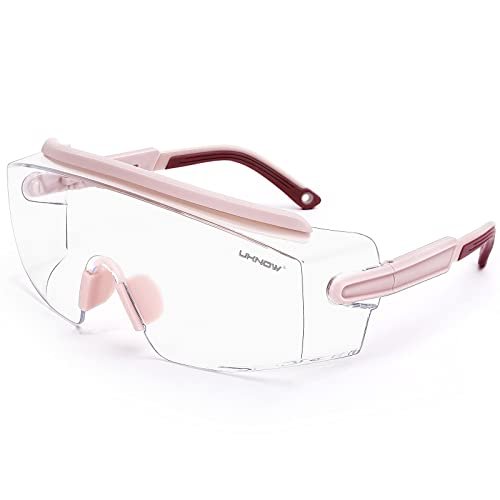 UKNOW Anti-Fog Chemical Splash Safety Goggles
Sealed splash goggles for handling muriatic acid and chlorine. View on Amazon →
UKNOW Anti-Fog Chemical Splash Safety Goggles
Sealed splash goggles for handling muriatic acid and chlorine. View on Amazon →
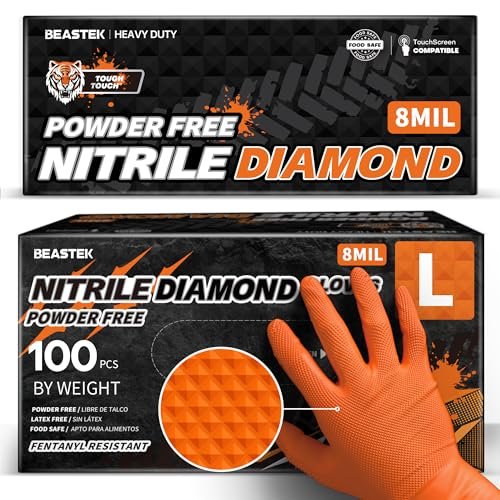 Beastek 8-mil Chemical-Resistant Nitrile Gloves
Disposable nitrile gloves for safe handling of pool chemicals. View on Amazon →
Beastek 8-mil Chemical-Resistant Nitrile Gloves
Disposable nitrile gloves for safe handling of pool chemicals. View on Amazon →
Still need help? Ask a Pool & Spa Expert AD
Get a personalized answer from PoolGuy810 — 30 years owning a pool and spa repair company. Describe your issue and get step-by-step help.
Related Pool Guides
Need More Help?
Try our free pool calculators and tools to help diagnose and fix your pool problems.
Browse Pool ToolsSLAM calculator, pH calculator, salt dosing & more