
Do I Need pH Up and Down for Pool? Essential pH Guide
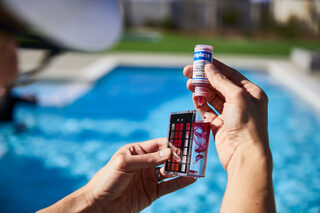
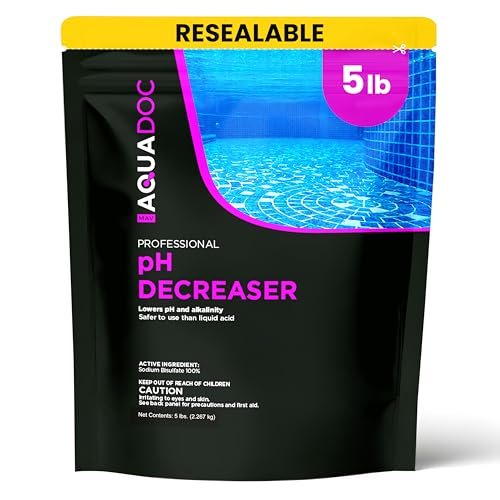
Yes, most pool owners need pH Up and pH Down chemicals to maintain the ideal pH range of 7.4-7.6, but you may not need both products depending on your water's natural tendencies.
Whether you need to winterize your pool depends on your climate zone. Areas with freezing temperatures require full winterization, while warmer regions need only reduced maintenance and chemical adjustments.
Inground pool costs range from $35,000-$100,000+ depending on size, materials, and features. Concrete pools are most expensive ($50,000-$100,000), vinyl liner pools are mid-range ($35,000-$65,000), and fiberglass pools fall in between ($40,000-$85,000).
No, never use pool chlorine tablets in your well water system. Pool tablets contain trichlor and stabilizer that make water unsafe for drinking and can damage plumbing systems.
Yes, salt water pools can cause skin irritation, typically due to improper pH levels, high chlorine production, or unbalanced water chemistry. The solution involves testing and adjusting your water parameters to proper ranges.
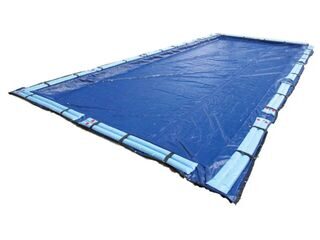
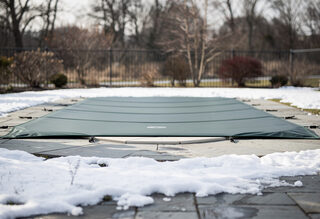
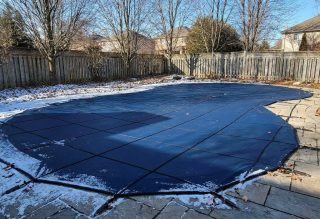
Winterizing your pool involves balancing water chemistry, lowering water levels, removing equipment, and adding winterizing chemicals. The process takes 4-6 hours and prevents freeze damage while maintaining water quality through winter months.
Pool antifreeze is necessary if your pool equipment and plumbing lines can't be completely drained or if temperatures regularly drop below freezing. Use only propylene glycol-based pool antifreeze, never automotive antifreeze.
Pool chlorine can burn your skin, especially in concentrated form or when pool chemistry is imbalanced. Proper handling of chemicals and maintaining correct chlorine levels (1-3 ppm) prevents most skin irritation and burns.
Yes, pools can leak due to structural damage, equipment failures, or plumbing issues. Most pools lose 1/4 inch of water daily from evaporation, but losses exceeding 1/2 inch daily typically indicate a leak.
Use the bucket test to confirm water loss, then apply food coloring near suspected areas to trace the leak location. Check skimmer, return jets, and equipment first.
Most pools do not need to be fully drained for winter - only lowered 4-6 inches below skimmers. Proper winterization with chemicals and equipment protection is more important than draining.
Programming a variable speed pool pump involves setting different RPM speeds for specific time periods throughout the day to optimize filtration while minimizing energy costs. Most pumps use a digital interface with programmable schedules.
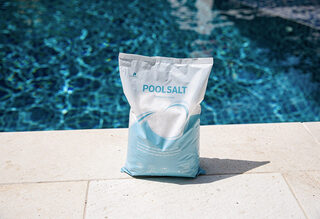
You only need pool salt if you have a saltwater chlorinator system installed. Traditional chlorine pools don't use salt, while saltwater pools require 3,200-4,000 ppm of salt to operate properly.
You can add pool stabilizer (cyanuric acid) during the day, but it's more effective to add it in the evening. Sunlight doesn't prevent stabilizer from dissolving, but adding it when the sun is down gives it more time to fully distribute before UV rays hit the pool.
Yes, pool chlorine can make you itchy, but it's usually not the free chlorine itself causing the problem. Combined chlorine (chloramines) and improper water chemistry are the main culprits that create skin irritation.