
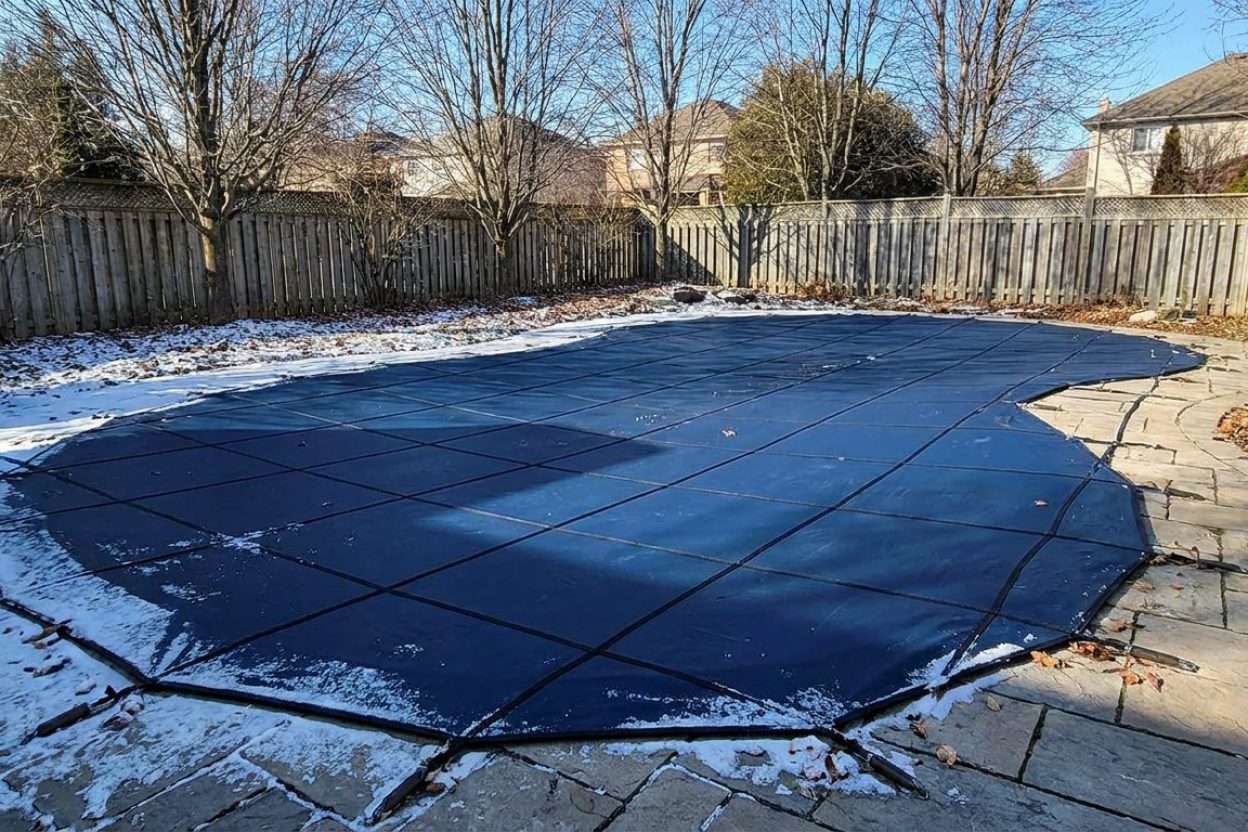
Do I Need Pool Antifreeze? Complete Winterizing Guide

When do I actually need pool antifreeze for winter?
Read full question
According to my old above-ground pool routine I never needed antifreeze, but now I'm questioning everything with this inground setup. My neighbor swears by it but another friend says it's totally unnecessary. I live in an area where we definitely get below freezing temps, but I'm not sure if my equipment can be completely drained or not.
What are the situations where pool antifreeze is actually needed? And if I do need it, does it matter what type I buy? Don't want to mess this up and end up with burst pipes come spring!
Quick Answer
Pool antifreeze is an optional backup for a line that couldn't be fully cleared; blowing out and plugging the lines provides the real freeze protection. Use only propylene glycol pool/RV antifreeze, never automotive antifreeze.
Do people actually use antifreeze in their pool? Yes, some do, but it is typically an optional extra, not a required part of closing. The essential process for protecting plumbing from freezing involves blowing out the lines with compressed air, then plugging openings. Non-toxic antifreeze, if used at all, serves as a secondary safeguard for lines that might retain some water and is poured directly into the plumbing—never into the pool water itself. You must never use automotive antifreeze.
When You Might Use Pool Antifreeze
For pool owners in freezing climates, the main objective of winterization is to stop water inside pipes from freezing and causing cracks. Blowing out the lines with air is the fundamental method. Adding antifreeze is an additional measure some take for extra peace of mind.
Understanding Pool Antifreeze Types
Automotive antifreeze is never safe for pool systems. It contains toxic ethylene glycol, which can harm equipment and pollute the water.
If you decide to use antifreeze, select a product labeled for pool or RV plumbing, which will be propylene glycol or a blend containing it.
Where to Use Pool Antifreeze
Antifreeze should be poured into the plumbing line before installing a winter plug or Gizzmo, allowing it to travel into the pipe.
Skimmer Lines
After blowing out the skimmer line, you can pour antifreeze into the skimmer port before plugging it if you suspect water remains. The skimmer well itself is not filled; you plug the port and usually place a compressible object, like a half-filled plastic bottle, in the well to manage ice expansion.
Return Lines
If a return line might not be fully clear, antifreeze can be added through the return fitting prior to plugging it.
Main Drain Lines
Protection for the main drain line comes from blowing it out and then closing its valve at the equipment pad while air is still flowing, which creates an air lock. Filling it with antifreeze is uncommon.
How Much Antifreeze to Use
There is no universal amount, as it depends on your specific plumbing layout and how well a line was cleared. Follow the directions on the product label. It is intended only for individual lines you are concerned about.
Proper Application Method
- Blow out lines first: Use an air compressor or shop vacuum to force as much water as possible from all plumbing.
- Add antifreeze before plugging: Install skimmer and return plugs only after pouring in antifreeze, so it flows into the pipes.
- Pour slowly: Add antifreeze directly into skimmer ports and return fittings, letting it travel down the lines.
- Check for leaks: Make sure antifreeze isn't seeping out from around plugs or fittings.
Regional Considerations
Northern Climates
In areas with harsh winters, a complete air blow-out and secure plugging are critical. Antifreeze can act as a backup for plumbing that is hard to clear entirely.
Moderate Climates
Where freezes are infrequent, a proper blow-out and plugging is often enough protection.
Mild Climates
Regions with mild winters typically do not need to winterize plumbing lines.
Alternatives to Antifreeze
Some owners employ different strategies to prevent freeze damage:
- Freeze protection devices: Automated systems that turn the pump on when temperatures fall.
- Partial winterization: Running the pool equipment occasionally during the cold season.
- Pool covers with air pillows: These help absorb pressure from expanding ice against the pool walls.
These approaches can be effective but require attention and may increase energy costs.
Spring Opening Considerations
You do not need to remove antifreeze when opening your pool. Propylene glycol will dilute without harm as you refill the pool. If a large quantity was used, the water may feel slightly slippery at first, but this will dissipate after a few days of normal circulation and filtering.
Proceed with your standard water testing and balancing routine. At the diluted levels present after refilling, antifreeze does not meaningfully affect pH, alkalinity, or sanitizer levels.
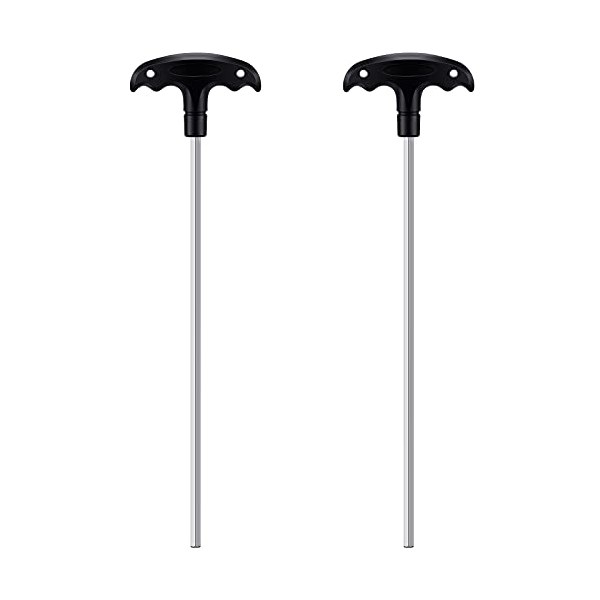 Pool Safety Cover Hex Key Tool (2-Pack)
Hex keys to install or remove a pool safety cover. View on Amazon →
Pool Safety Cover Hex Key Tool (2-Pack)
Hex keys to install or remove a pool safety cover. View on Amazon →
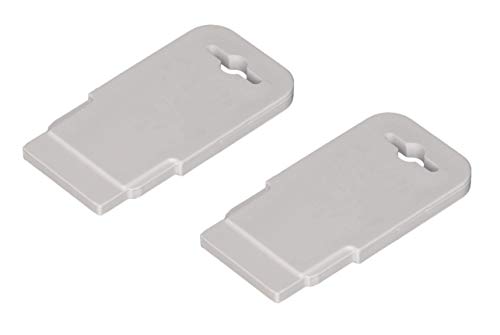 Pool Eyeball / Return Jet Fitting Removal Tool (ATIE)
Pops out & reseats Hayward SP1419 return-jet eyeballs — handy for closing. View on Amazon →
Pool Eyeball / Return Jet Fitting Removal Tool (ATIE)
Pops out & reseats Hayward SP1419 return-jet eyeballs — handy for closing. View on Amazon →
Still need help? Ask a Pool & Spa Expert AD
Get a personalized answer from PoolGuy810 — 30 years owning a pool and spa repair company. Describe your issue and get step-by-step help.
Related Pool Guides
Need More Help?
Try our free pool calculators and tools to help diagnose and fix your pool problems.
Browse Pool ToolsSLAM calculator, pH calculator, salt dosing & more