
Salt Water Pool Skin Irritation: Causes & Solutions

Why are my kids getting skin irritation from our saltwater pool?
Read full question
Finally got my 15,000-gallon saltwater pool dialed in and my kids are still coming out with red, burning skin after every swim. We switched to saltwater specifically because I thought it would be gentler than traditional chlorine pools, but now I'm second-guessing that decision.
Is this normal for saltwater pools? What could be causing the irritation, and more importantly, how can I fix it to make sure the water is safe for my kids to swim in? I really want to understand what's going wrong with our pool chemistry so I can get this resolved quickly.
Quick Answer
Yes, salt water pools can cause skin irritation, typically due to improper pH levels, high chlorine production, or unbalanced water chemistry. The solution involves testing and adjusting your water parameters to proper ranges, including maintaining FC at 6-8 ppm for salt water pools with CYA 70-80 ppm, pH at 7.4-7.6, TA at 80-120 ppm, salt level at 2700-3400 ppm, and calcium hardness at 175-225 ppm for vinyl/fiberglass pools.
First, Let's Diagnose the Problem
Before jumping into solutions, we need to identify what's causing the skin irritation. Salt water pools actually have lower salt content than the ocean (about 2,700-3,400 ppm vs 35,000 ppm), so pure salt irritation is rare. Here's how to systematically diagnose the real culprit:
Test Your Water Chemistry Immediately
Use a quality test kit like the Taylor K-2006C to check these critical parameters:
- Free Chlorine (FCFree Chlorine — The chlorine actively sanitizing your water right now. This is the number you keep an eye on. how much you need →): Should be the right level for your CYACyanuric Acid (stabilizer) — Sunscreen for your chlorine — it keeps sunlight from burning it off. The catch: the more you have, the more chlorine you need to keep. learn more → (typically 6-8 ppm for a salt water pool with CYA 70-80 ppm) for normal operation
- pH: Target 7.4-7.6 (most critical for skin comfort)
- Total Alkalinity (TATotal Alkalinity — The buffer that keeps your pH from bouncing around. Get this in range and pH gets a lot easier to manage. learn more →): 80-120 ppm for salt water pools
- Cyanuric Acid (CYA): 70-80 ppm for salt water generators
- Salt Level: Check manufacturer specs, usually 2,700-3,400 ppm
- Calcium Hardness: 250-350 ppm for plaster, 175-225 ppm for vinyl/fiberglass
Check Your Salt Cell Operation
Inspect your salt chlorinator for these common issues:
- Calcium scale buildup on the cell plates
- Cell running at too high a percentage (over 80%)
- Flow switch problems causing inconsistent chlorine production
- Cell nearing end of life (typically 3-7 years depending on usage)
Step-by-Step Solutions
Solution 1: Fix pH Problems (Most Common Cause)
Salt water generators naturally drive pH upward, and high pH is the leading cause of skin and eye irritation in salt pools.
- If pH is above 7.6: Add muriatic acid gradually using dosage calculations based on current pH and alkalinity levels. For a quick estimate of how much to add, use our all-in-one pool calculator. Alternatively, you can do it by hand using chemical dosing charts or pool calculator apps for specific amounts.
- Add acid to the deep end with pump running, never directly to skimmer
- Wait 4 hours and retest pH
- Repeat as needed until pH reaches 7.4-7.6 range
- Consider installing a pH controller for automatic management
Solution 2: Address High Chlorine Levels
If your salt cell is overproducing chlorine:
- Reduce salt cell output percentage by 10-20%
- If you have raised FC toward shock level, turn off the salt cell temporarily
- Allow chlorine to naturally dissipate (UV from sunlight helps)
- For extremely high levels (10+ ppm), add sodium thiosulfate at about 2 to 2.6 oz per 10,000 gallons per 1 ppm reduction needed
- Retest daily and adjust cell output accordingly
Solution 3: Clean Scaled Salt Cell
Calcium buildup reduces efficiency and can cause chlorine spikes:
- Turn off power to salt system
- Remove cell according to manufacturer instructions
- Mix about 1 part muriatic acid to 4 parts water in a plastic container (always add acid to water; a weaker 1:5 mix is fine for light scale)
- Safety warning: Always add acid to water, never water to acid, and wear protective equipment including safety goggles, chemical-resistant gloves, and protective clothing
- Soak cell for 10-15 minutes until bubbling stops
- Rinse thoroughly with water and reinstall
- Clean cell monthly during swimming season
Solution 4: Balance Total Alkalinity
For salt water pools, keep TA between 80-120 ppm:
- If TA is too high: Add muriatic acid using the same method as pH correction.
- If TA is too low: Add sodium bicarbonate to bring it up; our all-in-one pool calculator estimates how much
- Always adjust TA before fine-tuning pH
- Retest after 4-6 hours of circulation
Prevention and Maintenance
Weekly Testing Schedule
Maintain a consistent testing routine:
- Test FC and pH 2-3 times per week
- Check salt level monthly
- Test complete chemistry weekly during swimming season
- Clean salt cell monthly or as needed
Equipment Upgrades to Consider
For chronic pH issues common in salt pools:
- pH Controller: Automatically doses muriatic acid to maintain proper pH
- CO2 System: Uses carbon dioxide instead of acid for pH control
- Variable Speed Pump: Better circulation helps prevent chemical stratification
When to Call a Professional
Contact a pool professional if you experience:
- Persistent skin irritation despite balanced chemistry
- Inability to maintain stable pH levels
- Salt cell requiring frequent cleaning (weekly or more)
- Unusual chemical readings that don't respond to adjustments
Remember: Properly maintained salt water pools should feel silky and comfortable on skin. If you're experiencing irritation, it's almost always a fixable chemistry issue, not an inherent problem with salt water systems themselves.
For the full breakdown of safe chlorine levels by CYA level, see our pool water chemistry guide.
 Taylor K-2006C Complete FAS-DPD Pool & Spa Test Kit
The FAS-DPD kit pool pros trust — reads chlorine accurately even at shock/SLAM levels, plus pH, alkalinity, calcium hardness and CYA. View on Amazon →
Taylor K-2006C Complete FAS-DPD Pool & Spa Test Kit
The FAS-DPD kit pool pros trust — reads chlorine accurately even at shock/SLAM levels, plus pH, alkalinity, calcium hardness and CYA. View on Amazon →
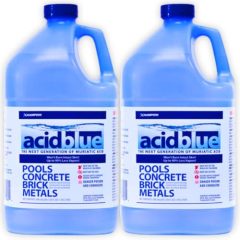 Acid Blue - Low Fume Muriatic Acid for Swimming Pools & Spas - Lower's pH, Reduces Alkalinity - 2 Gallon
View on Amazon →
Acid Blue - Low Fume Muriatic Acid for Swimming Pools & Spas - Lower's pH, Reduces Alkalinity - 2 Gallon
View on Amazon →
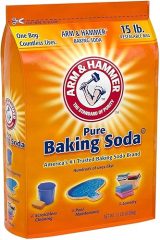 Arm & Hammer Pure Baking Soda (Alkalinity Up)
Raises Total Alkalinity cheaply View on Amazon →
Arm & Hammer Pure Baking Soda (Alkalinity Up)
Raises Total Alkalinity cheaply View on Amazon →
Still need help? Ask a Pool & Spa Expert AD
Get a personalized answer from PoolGuy810 — 30 years owning a pool and spa repair company. Describe your issue and get step-by-step help.
Related Pool Guides
Need More Help?
Try our free pool calculators and tools to help diagnose and fix your pool problems.
Browse Pool ToolsSLAM calculator, pH calculator, salt dosing & more