

Can Pool Chlorine Burn Your Skin? Chemical Safety Guide

Pool chlorine skin burns - prevention and safe chemical levels?
Read full question
Replaced my pool chlorine system after seeing my neighbor's kids swim all day with perfect skin, but mine still come out looking like lobsters. What are the specific conditions that lead to skin burns from pool chlorine, and what are the precise chemical parameters I should maintain to prevent skin irritation?
I'm particularly concerned about concentrated chemical exposure during maintenance procedures and want to know the exact chlorine levels that are safe for swimmers versus those that can cause chemical burns.
Quick Answer
Mostly no - pool water at normal or even shock chlorine levels almost never causes a true chemical burn. What you actually get from swimming is skin irritation and dryness (irritant dermatitis), not tissue damage. Real chemical burns come from handling concentrated products like cal-hypo, liquid chlorine, or trichlor tablets directly on skin. Handle products with gloves, keep pH balanced (low pH stings more), and wait until free chlorine is under 10 ppm before swimming.
What a “chlorine burn” from the pool usually is
Chlorine in a balanced pool sits at a very low concentration that’s harmless to most people. When it does bother your skin, it’s because chlorine strips away your skin’s natural oils (sebum), so you lose moisture and the skin gets dry, tight, itchy, or red. Dermatologists call this irritant contact dermatitis — it can look a bit like a mild burn, but it isn’t one. People with eczema, rosacea, or sensitive skin notice it most, sometimes after a single swim. (That sharp “chlorine smell” and stinging eyes usually mean chloramines — combined chlorine from a pool that needs more free chlorine, not less.)
Even at shock levels (roughly 10–30 ppm), a brief dip won’t chemically burn you — it’s just more drying and irritating, harder on swimwear and hair, and simply not recommended. So the swim rule is about comfort and the CDC ceiling, not burns: swim once free chlorine is under 10 ppm and the water is clear.
Where chlorine burns actually come from
Real chemical burns are almost always from concentrated product handling — and they’re very preventable:
- Spilling or splashing liquid chlorine (12.5% sodium hypochlorite) on skin or in eyes
- Handling cal-hypo (calcium hypochlorite) powder bare-handed, or letting undissolved granules sit on wet skin
- Handling trichlor tablets with wet hands
- Splashing muriatic acid, or mixing chemicals — never mix products, since it can release toxic gas
Water can also turn irritating if it’s badly out of balance: very high chlorine combined with low pH (below 7.2) can sting eyes and skin and is corrosive to surfaces and equipment. Keeping pH at 7.4–7.6 takes care of that.
Handle pool chemicals safely
This is where the actual risk lives, so a little protection goes a long way:
- Gloves — nitrile or neoprene (not latex)
- Eye protection — wrap-around safety glasses to stop splashes
- Long sleeves and closed-toe shoes when handling larger quantities
- Always add chemical to water, never water to chemical; pre-dissolve cal-hypo in a bucket; pour liquid chlorine slowly near a return jet with the pump running
- Never mix different chlorine products, or chlorine with acid
First aid if a product contacts skin or eyes
- Flush with clean water for 15–20 minutes — a shower, hose, or eyewash — and remove any contaminated clothing
- Don’t use neutralizers — plain water dilution is the safe treatment
- Get medical help for any eye contact, blistering, a burn larger than a quarter, or any trouble breathing
- Poison Control: 1-800-222-1222 for guidance on any chemical exposure
Keeping the water comfortable
For everyday comfort, keep free chlorine in the normal range for your stabilizer (CYACyanuric Acid (stabilizer) — Sunscreen for your chlorine — it keeps sunlight from burning it off. The catch: the more you have, the more chlorine you need to keep. learn more →) level — the FCFree Chlorine — The chlorine actively sanitizing your water right now. This is the number you keep an eye on. how much you need → you maintain scales with CYA (for example ~4–6 ppm at CYA 40, higher for salt pools). After shocking, wait until FC drops under 10 ppm before swimming. Rinse off before and after a swim, and moisturize afterward to replace the oils chlorine strips away. You can estimate every dose for your pool with our all-in-one pool calculator.
 Taylor K-2006C Complete FAS-DPD Pool & Spa Test Kit
The FAS-DPD kit pool pros trust — reads chlorine accurately even at shock/SLAM levels, plus pH, alkalinity, calcium hardness and CYA. View on Amazon →
Taylor K-2006C Complete FAS-DPD Pool & Spa Test Kit
The FAS-DPD kit pool pros trust — reads chlorine accurately even at shock/SLAM levels, plus pH, alkalinity, calcium hardness and CYA. View on Amazon →
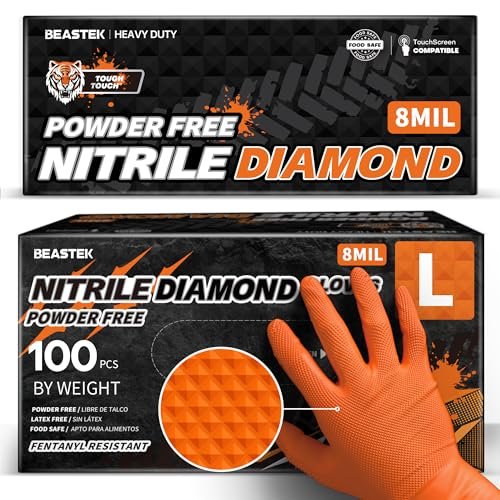 Beastek 8-mil Chemical-Resistant Nitrile Gloves
Disposable nitrile gloves for safe handling of pool chemicals. View on Amazon →
Beastek 8-mil Chemical-Resistant Nitrile Gloves
Disposable nitrile gloves for safe handling of pool chemicals. View on Amazon →
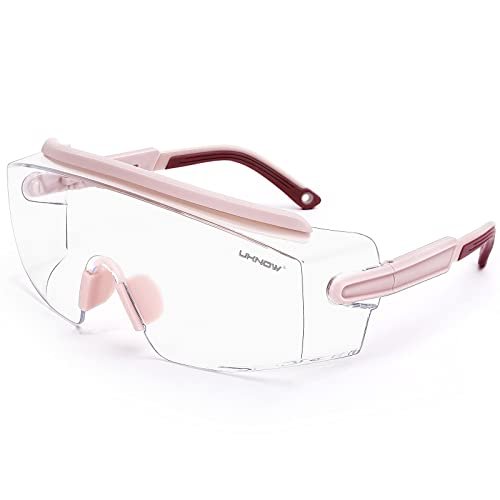 UKNOW Anti-Fog Chemical Splash Safety Goggles
Sealed splash goggles for handling muriatic acid and chlorine. View on Amazon →
UKNOW Anti-Fog Chemical Splash Safety Goggles
Sealed splash goggles for handling muriatic acid and chlorine. View on Amazon →
Still need help? Ask a Pool & Spa Expert AD
Get a personalized answer from PoolGuy810 — 30 years owning a pool and spa repair company. Describe your issue and get step-by-step help.
Related Pool Guides
Need More Help?
Try our free pool calculators and tools to help diagnose and fix your pool problems.
Browse Pool ToolsSLAM calculator, pH calculator, salt dosing & more