
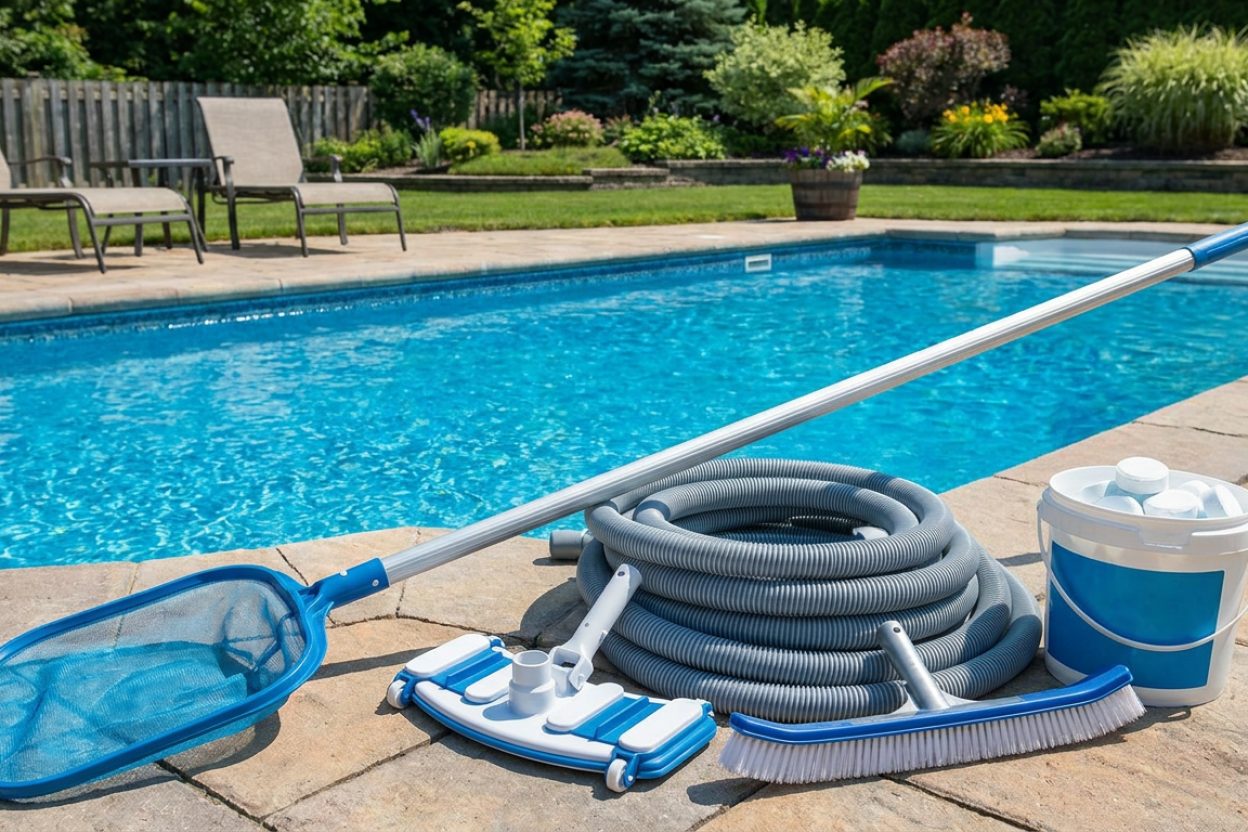
Do You Have to Drain Your Pool in Winter? Complete Guide

What's the proper water level for pool winterization procedures?
Read full question
Finally getting tired of the third round of conflicting advice about draining my pool this winter and I'm done with all the guesswork. I've seen conflicting information about whether complete drainage is necessary or if partial water removal is sufficient for proper winterization.
Specifically, I need to know the optimal water level in relation to the skimmer system and what additional chemical treatments and equipment protection measures are required. What are the technical specifications for winter water levels, and how do these relate to preventing freeze damage while maintaining water chemistry balance during the off-season?
Quick Answer
Most pools do not need to be fully drained for winter - only lowered 4-6 inches below skimmers. Proper winterization with chemicals and equipment protection is more important than draining. The correct approach is to lower the water level to 4-6 inches below the skimmer, shock the pool to the appropriate level for your CYA, and protect equipment from freezing. For the full breakdown of safe chlorine levels by CYA level, see our all-in-one pool calculator.
Why Full Drainage Is Usually Not Recommended
Keeping water in your pool during winter serves several critical purposes. The water weight helps maintain structural integrity by counteracting ground pressure that could cause your pool walls to shift or crack. This is especially important for vinyl liner and fiberglass pools, which can suffer permanent damage if left empty during freeze-thaw cycles.
Additionally, an empty pool becomes a collection point for debris, leaves, and standing rainwater that can create stagnant conditions perfect for mosquito breeding. The cost of refilling a 20,000-gallon pool in spring can range from $80-400 depending on your local water rates, plus you'll need to rebalance all your water chemistry from scratch.
Proper Water Level for Winter
The correct approach is to lower your pool water level to 4-6 inches below the skimmer opening. This prevents water from entering the skimmer and plumbing lines where it could freeze and cause expensive damage. For pools with tile lines, keep the water level just below the tile to prevent freeze damage to the grout and tile surface.
Use a submersible pump or your pool's waste setting to remove the excess water. A typical submersible pump can remove 1,500-3,000 gallons per hour, making this process relatively quick. Always check your local regulations, as some areas restrict when and where you can discharge pool water.
Essential Winterization Chemistry
Before closing your pool, your water chemistry must be properly balanced to prevent algae growth and equipment damage during the closed season. Test and adjust your water to these target ranges:
- pH: 7.2-7.6 (slightly lower end preferred for winter)
- Total Alkalinity: 80-120 ppm
- Calcium Hardness: 250-350 ppm
- Free Chlorine: 4-6 ppm at closing (for CYACyanuric Acid (stabilizer) — Sunscreen for your chlorine — it keeps sunlight from burning it off. The catch: the more you have, the more chlorine you need to keep. learn more → 30-50)
- Cyanuric Acid: 30-50 ppm
Shock your pool with liquid chlorine to achieve the shock level for your CYA (about 40% of CYA), then let it drop naturally to 4-6 ppm before adding winterizing chemicals. Add liquid chlorine according to manufacturer specifications based on your current chlorine level and product strength (typically 10-12.5% sodium hypochlorite) to achieve shock levels. Always retest after 8 hours to ensure proper levels.
Equipment Protection and Winterization
Protecting your pool equipment is crucial and doesn't require draining the pool. Remove all drain plugs from your pump, filter, heater, and chlorinator to allow complete drainage of these components. Even a small amount of trapped water can cause hundreds of dollars in freeze damage.
Blow out all plumbing lines using a specialized pool line blower or air compressor. Start with the skimmer lines, then return lines, and finally any auxiliary equipment like spa jets or water features. Add non-toxic pool antifreeze (propylene glycol-based formulation) to trap areas that can't be completely drained - typically about 1 gallon of antifreeze per 10 feet of pipe in each line.
When Full Drainage Might Be Necessary
There are specific situations where partial or complete drainage may be required:
Severe Water Quality Issues
If your pool has developed a persistent black algae problem or has extremely high Total Dissolved Solids (TDS) above 2,500 ppm, partial drainage of 1/3 to 1/2 the water volume might be beneficial. However, this should be done in early fall before winterization, not as part of the winter closing process.
Major Repairs
Structural repairs to pool surfaces, complete liner replacement, or major plumbing work may require lowering water levels significantly or complete drainage. These projects should be completed and the pool refilled before winter weather arrives.
Extreme Climate Considerations
In areas with extremely harsh winters where temperatures remain below freezing for extended periods, some pool professionals recommend lowering water levels more significantly - up to 12 inches below the skimmer. However, complete drainage is still not recommended unless absolutely necessary for repairs.
Winter Pool Maintenance
Even with proper winterization, your pool requires periodic attention during the closed season. Check your winter cover monthly for proper fit and remove excess water or debris. A cover pump can remove standing water automatically, preventing damage to the cover material.
If you live in a moderate climate where temperatures occasionally rise above 60°F for several consecutive days, algae can begin growing even in winter. Consider adding a maintenance dose of liquid chlorine - approximately 1/2 gallon per 10,000 gallons - during warm spells.
Spring Opening Preparation
Maintaining proper water levels through winter makes spring opening significantly easier. You'll avoid the expense and time of refilling, and your water chemistry will have a stable foundation to build upon. Remove the winter cover carefully to avoid dumping debris into the clean water, then test and adjust your chemistry before starting your filtration system.
The key to successful winter pool care is proper preparation and equipment protection, not drainage. By following these guidelines, you'll protect your investment while making spring startup much more manageable.
For the full breakdown of safe chlorine levels by CYA level, see our pool water chemistry guide.
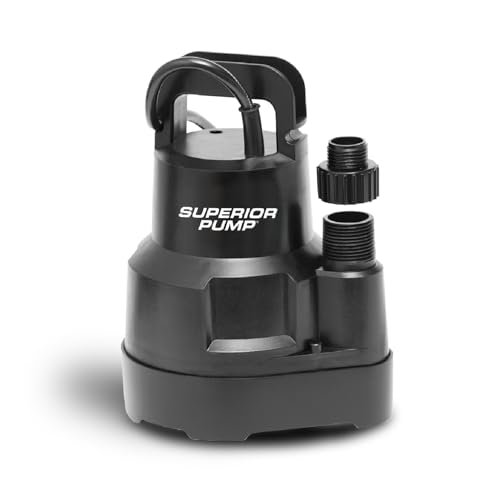 Superior Pump 91014 1/4 HP Submersible Utility Pump
Drains a pool, cover, or equipment pit when you need to lower the water. View on Amazon →
Superior Pump 91014 1/4 HP Submersible Utility Pump
Drains a pool, cover, or equipment pit when you need to lower the water. View on Amazon →
 Taylor K-2006C Complete FAS-DPD Pool & Spa Test Kit
The FAS-DPD kit pool pros trust — reads chlorine accurately even at shock/SLAM levels, plus pH, alkalinity, calcium hardness and CYA. View on Amazon →
Taylor K-2006C Complete FAS-DPD Pool & Spa Test Kit
The FAS-DPD kit pool pros trust — reads chlorine accurately even at shock/SLAM levels, plus pH, alkalinity, calcium hardness and CYA. View on Amazon →
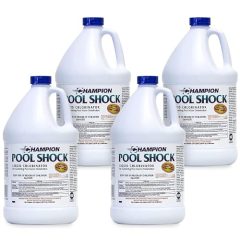 Liquid Chlorine / Sodium Hypochlorite (12.5%)
Everyday sanitizer — the B in BBB View on Amazon →
Liquid Chlorine / Sodium Hypochlorite (12.5%)
Everyday sanitizer — the B in BBB View on Amazon →
Still need help? Ask a Pool & Spa Expert AD
Get a personalized answer from PoolGuy810 — 30 years owning a pool and spa repair company. Describe your issue and get step-by-step help.
Need More Help?
Try our free pool calculators and tools to help diagnose and fix your pool problems.
Browse Pool ToolsSLAM calculator, pH calculator, salt dosing & more