
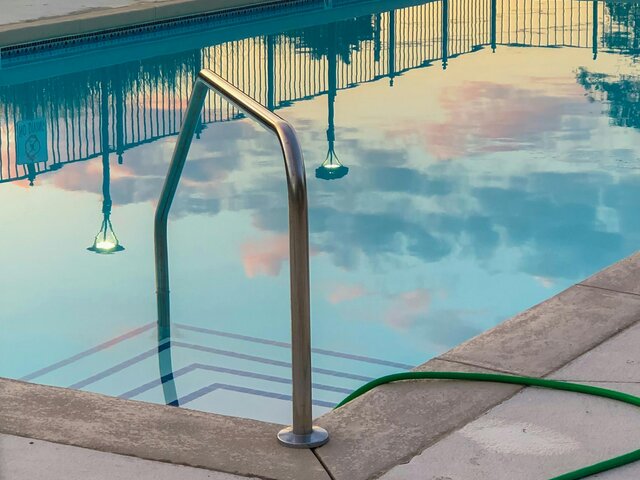
How to Shock Your Pool: Complete Step-by-Step Guide

New pool owner - how do I properly shock my pool?
Read full question
I'm wondering why my pool shock manual says to add it directly to the water when every online guide insists on dissolving it first. The pool store told me I need to shock it regularly, but I'm honestly not sure what that means or how to do it properly. I don't want to mess anything up!
I have a 20,000 gallon pool and I've been testing the water with strips, but I'm not entirely sure what numbers I should be looking for when it comes to shocking. Should I just dump chlorine in, or is there a specific process I need to follow? Also, does timing matter - like is there a best time of day to do this?
Any step-by-step guidance would be really appreciated. I want to make sure I'm doing this right and keeping the water safe for my family.
Quick Answer
Pool shocking means raising free chlorine to about 40% of your CYA level (the SLAM shock target) to eliminate contaminants. Test water first, size the dose for your pool and CYA with our calculator, then add liquid chlorine in evening for best results.
Step-by-Step Pool Shocking Process
- Test Your Pool Water First
Use a reliable test kit like the Taylor K-2006C to measure free chlorine (FCFree Chlorine — The chlorine actively sanitizing your water right now. This is the number you keep an eye on. how much you need →), combined chlorine (CCCombined Chlorine — "Used-up" chlorine left over from doing its job. Above about 0.5 ppm is the classic sign water needs a shock. learn more →), pH, total alkalinity (TATotal Alkalinity — The buffer that keeps your pH from bouncing around. Get this in range and pH gets a lot easier to manage. learn more →), and cyanuric acid (CYA). Record all readings as they'll determine your shock dosage. Ensure any significant chlorine demand is addressed first, as ongoing demand will prevent successful shocking. - Calculate Your Shock Level Target
Multiply your CYA reading by 40% to find your shock level. For example, if CYA is 40 ppm, your shock level should be 16 ppm FC. This is based on the proven SLAMShock Level And Maintain — raise free chlorine to a target based on your CYA and hold it there until the algae is gone. It's a process, not a one-time dose. the SLAM walkthrough → (Shock Level And Maintain) method from Trouble Free Pool. Use our all-in-one pool calculator to find the right shock level for your CYA. - Determine Chlorine Dosage Needed
As a rule of thumb, each gallon of 12.5% liquid chlorine raises FC by about 12-13 ppm per 10,000 gallons — but your shock target depends on your CYA, so size the dose with our easy-to-use pool calculator or our pool guides rather than by hand. - Adjust pH Before Shocking
Ensure pH is between 7.2-7.6 before adding chlorine. High pH reduces chlorine effectiveness. Add muriatic acid if pH is above 7.6, following manufacturer's instructions for dosage. - Add Liquid Chlorine in Evening
Start shocking after sunset to prevent UV degradation of chlorine. Pour liquid chlorine slowly around the pool perimeter with the pump running. Never add all chlorine in one spot, as this can damage pool surfaces. - Circulate Water Continuously
Run your pool pump continuously during the shocking process. This ensures proper mixing and distribution of chlorine throughout the pool. Plan to run the pump for at least 8 hours minimum. - Brush Pool Surfaces
While the pump runs, brush all pool surfaces including walls, steps, and behind ladders. This helps dislodge contaminants and ensures chlorine reaches all areas where algae or bacteria might hide. - Test FC Levels Every Few Hours
Retest free chlorine levels 2-3 hours after adding chlorine, then again in the morning. If FC has dropped significantly overnight, add more liquid chlorine to maintain shock level. - Maintain Shock Level Until Clear
Continue maintaining shock level FC until the pool water is crystal clear and FC loss overnight is 1 ppm or less (passing the OCLT - Overnight Chlorine Loss Test). This indicates all contaminants have been eliminated. - Return to Normal Chlorine Levels
Once shocking is complete, allow FC to naturally drop to normal levels (about 4-7 ppm for CYA 30-50 ppm - see the FC/CYAFC/CYA chart — The chart that sets your chlorine target from your stabilizer (CYA) level — the two go together. see the chart → chart). Resume regular chlorination schedule.
Choosing the Right Shock Product
Liquid chlorine (sodium hypochlorite) is the gold standard for pool shocking. It's pure, dissolves instantly, and adds only chlorine. Calcium hypochlorite (cal-hypo) is a common, effective powder shock. Here's the answer to the pre-dissolve confusion: follow your product's label. The "dissolve first" advice you see online is mainly a cal-hypo precaution to keep undissolved granules from bleaching a vinyl liner - some cal-hypo brands say to broadcast directly, while others (and most vinyl-liner pools) call for pre-dissolving in a bucket of pool water first. Liquid chlorine never needs pre-dissolving. It adds some calcium, which is a plus when your calcium hardness is low and something to skip when it's already high (use liquid chlorine then). Dichlor shock adds CYA with each use, eventually making your pool difficult to maintain.
When to Shock Your Pool
Shock your pool when combined chlorine (chloramines) exceeds 0.5 ppm, after heavy pool use, following rainstorms, or when water appears cloudy or has strong chlorine odor. Weekly shocking isn't necessary if you maintain proper FC levels daily.
Safety Considerations
Never mix different pool chemicals and always add chemicals to water, not water to chemicals. Store liquid chlorine in cool, shaded areas and use within 60-90 days of purchase for maximum potency, as temperature significantly affects degradation rate. Keep it well away from acids and fuels in storage, since those combinations can release toxic gas or cause a fire. Wear safety goggles and gloves when handling pool chemicals. Add each chemical separately to the pool, never in the same container, and space additions apart by at least 30 minutes of circulation.
Troubleshooting Common Shocking Issues
If your pool remains cloudy after shocking, you may not have reached true shock level or didn't maintain it long enough. Green pools require the full SLAM process, which can take several days of maintaining shock level FC. Cloudy water during shocking is normal - continue the process until water clears completely.
Remember that shocking is a process, not a one-time chemical addition. Patience and consistent testing are key to successful pool shocking and achieving crystal clear, sanitized water.
For the full breakdown of safe chlorine levels by CYA level, see our pool water chemistry guide.
 Taylor K-2006C Complete FAS-DPD Pool & Spa Test Kit
The FAS-DPD kit pool pros trust — reads chlorine accurately even at shock/SLAM levels, plus pH, alkalinity, calcium hardness and CYA. View on Amazon →
Taylor K-2006C Complete FAS-DPD Pool & Spa Test Kit
The FAS-DPD kit pool pros trust — reads chlorine accurately even at shock/SLAM levels, plus pH, alkalinity, calcium hardness and CYA. View on Amazon →
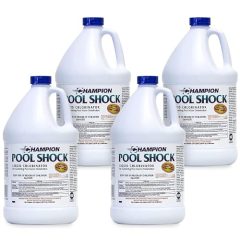 Liquid Chlorine / Sodium Hypochlorite (12.5%)
Everyday sanitizer — the B in BBB View on Amazon →
Liquid Chlorine / Sodium Hypochlorite (12.5%)
Everyday sanitizer — the B in BBB View on Amazon →
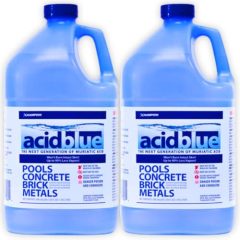 Acid Blue - Low Fume Muriatic Acid for Swimming Pools & Spas - Lower's pH, Reduces Alkalinity - 2 Gallon
View on Amazon →
Acid Blue - Low Fume Muriatic Acid for Swimming Pools & Spas - Lower's pH, Reduces Alkalinity - 2 Gallon
View on Amazon →
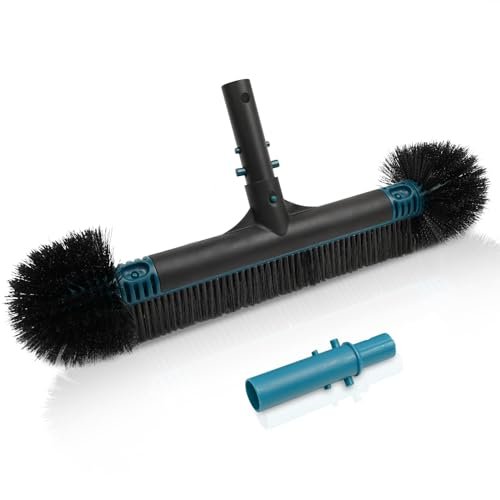 Poolvio 20" 2-in-1 Pool Brush Head (Walls & Floor)
Sturdy 20-inch brush head that clips onto any standard telescopic pole. View on Amazon →
Poolvio 20" 2-in-1 Pool Brush Head (Walls & Floor)
Sturdy 20-inch brush head that clips onto any standard telescopic pole. View on Amazon →
Still need help? Ask a Pool & Spa Expert AD
Get a personalized answer from PoolGuy810 — 30 years owning a pool and spa repair company. Describe your issue and get step-by-step help.
Need More Help?
Try our free pool calculators and tools to help diagnose and fix your pool problems.
Browse Pool ToolsSLAM calculator, pH calculator, salt dosing & more