
How to Winterize Your Pool: Complete Step-by-Step Guide

Complete pool winterization checklist - what steps?
Read full question
Tried winterizing my pool last week using online guides, but algae is already forming — did I screw up the process somehow? What's the proper order? Chemistry first or cleaning? How low should water go? What chemicals do I need?
Don't want to mess this up and deal with a green swamp come spring. Last year skipped some steps and regretted it.
Quick Answer
Pool winterization involves balancing water chemistry, cleaning the pool thoroughly, lowering water levels, draining equipment, adding winterizing chemicals, and securing a proper cover to protect against freeze damage and spring algae blooms.
Quick Answer
Proper pool winterization requires balancing water chemistry, thoroughly cleaning the pool, lowering water levels, draining all equipment lines, adding winterizing chemicals, and installing a quality winter cover. This process typically takes 4-6 hours and prevents costly freeze damage while making spring opening much easier.
Water Chemistry Balance
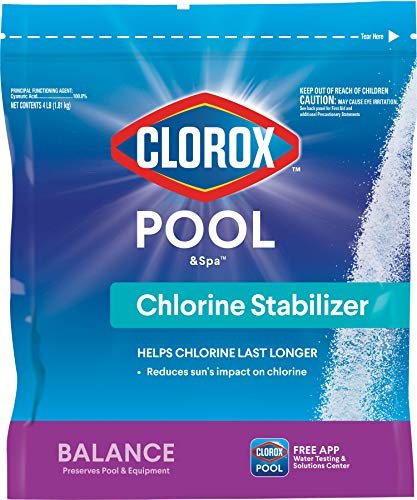
Start winterization by cleaning the pool thoroughly (skim, brush, vacuum) first, then balance the water chemistry at least one week before closing - cleaning first makes the chemistry easier to dial in and helps prevent algae. This step prevents corrosion, scaling, and algae growth during winter months. If a freshly closed pool greens up over winter, the usual causes are too little chlorine or CYACyanuric Acid (stabilizer) — Sunscreen for your chlorine — it keeps sunlight from burning it off. The catch: the more you have, the more chlorine you need to keep. learn more → reserve at closing, a weak or copper-based algaecide, sunlight getting through the cover, or organic debris left in the water - so clean well, balance, and add the closing chemicals last.
Target Chemical Levels
- pH: 7.4-7.6 (slightly alkaline prevents corrosion)
- Total Alkalinity: 80-120 ppm for standard pools, 60-80 ppm for salt water generators
- Calcium Hardness: 250-350 ppm (prevents surface etching for plaster/concrete pools)
- Free Chlorine: 4-6 ppm at closing (balance to this level in the week before closing; the winterizing shock comes last, just before covering)
- Cyanuric Acid: 30-50 ppm (protects residual chlorine)
Test water using a Taylor K-2006 test kit for accuracy. Adjust alkalinity first using sodium bicarbonate (baking soda), then pH with muriatic acid or sodium carbonate as needed. Add calcium chloride if hardness is low, especially for plaster pools.
Thorough Pool Cleaning
Complete cleaning prevents organic debris from creating algae problems and staining during winter closure.
- Skim and vacuum: Remove all floating debris and vacuum pool floor thoroughly, including corners and steps
- Brush surfaces: Brush walls, steps, and tile line to remove algae spores and biofilm
- Clean skimmer baskets: Remove and clean all skimmer and pump baskets
- Backwash filter: For sand filters, backwash thoroughly. For cartridge filters, clean or replace cartridges
- Clean pool equipment: Wipe down pump, filter, and heater exteriors
Winterizing Chemical Treatment
Add winterizing chemicals after balancing water chemistry and before lowering water levels to maintain water quality throughout winter closure.
Chemical Addition Sequence
- Algaecide: Add non-metallic algaecide at double the summer maintenance dose. Avoid copper-based algaecides that can stain surfaces
- Winterizing shock: Add 2-3 pounds of calcium hypochlorite shock per 20,000 gallons to establish chlorine reserve
- Stain preventer: Add metal sequestrant if your area has high metal content in fill water
- Winter enzyme: Add enzyme treatment to break down organic contaminants
Circulate water for 2-4 hours after adding chemicals to ensure proper distribution before lowering water level and draining equipment.
Water Level and Equipment Preparation
Proper water level management and equipment drainage prevents freeze damage, the most expensive winterization mistake.
Lower Water Level
Reduce water level to 4-6 inches below skimmer opening for standard pools, or follow manufacturer guidelines for pools with tile. This prevents ice expansion from damaging skimmer and plumbing lines.
Equipment Drainage Process
- Turn off power: Shut off electricity to all pool equipment at the breaker
- Drain pump: Remove pump drain plugs and store them in pump basket for spring
- Drain filter: Open air relief valve and drain plug on filter tank
- Drain heater: Follow manufacturer's instructions for draining heat exchanger
- Blow out lines: Use shop vacuum or air compressor to blow water from skimmer, return, and vacuum lines
- Add antifreeze: Pour 1-2 quarts of pool antifreeze (propylene glycol) into skimmer and return lines
Cover Installation
A quality winter cover protects water quality and prevents safety hazards.
Cover Types and Selection
- Safety covers: Mesh or solid covers that support weight, ideal for families with children or pets
- Winter covers: Less expensive option using water bags or cover clips for securing
- Automatic covers: Convenient but require professional maintenance
Install covers tightly to prevent wind damage and debris accumulation. For water bag covers, fill bags only 2/3 full to allow for ice expansion.
Common Winterization Mistakes to Avoid
- Inadequate drainage: Always remove ALL water from equipment to prevent freeze damage
- Over-shocking: Excessive chlorine can damage vinyl liners and equipment seals
- Wrong antifreeze: Only use pool-grade propylene glycol antifreeze, never automotive antifreeze
- Poor cover maintenance: Check cover monthly and remove standing water or heavy snow loads
- Skipping chemistry balance: Unbalanced water causes expensive surface damage over winter months
Climate-Specific Considerations
Adjust winterization procedures based on your climate zone. Mild winter areas may only need chemical adjustment and equipment protection, while freeze-prone regions require complete drainage and antifreeze protection.
For pools with salt water chlorine generators, remove cell and store indoors, or follow manufacturer's winter mode procedures to prevent expensive cell damage.
Professional vs. DIY Winterization
While homeowners can handle most winterization tasks, consider professional service for complex equipment like heaters, automation systems, or if you're uncomfortable with electrical connections. Professional winterization typically costs $200-400. Note that homeowners insurance generally excludes pool freeze damage, so proper winterization is the owner's responsibility - a professional service does not include insurance coverage.
For the full breakdown of safe chlorine levels by CYA level, see our pool water chemistry guide.
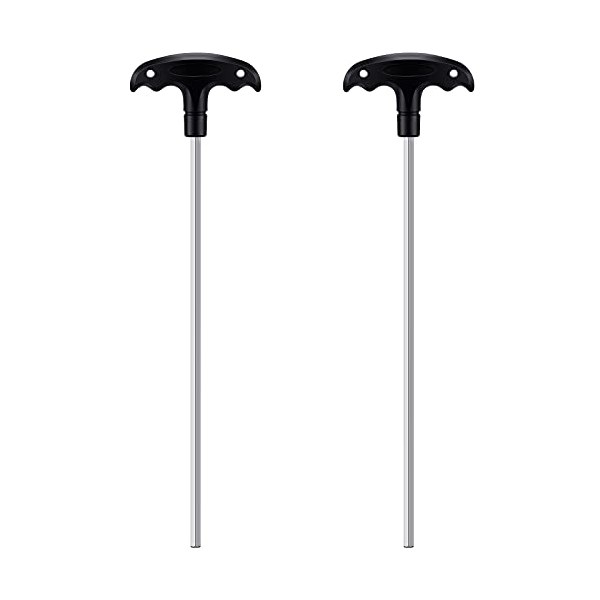 Pool Safety Cover Hex Key Tool (2-Pack)
Hex keys to install or remove a pool safety cover. View on Amazon →
Pool Safety Cover Hex Key Tool (2-Pack)
Hex keys to install or remove a pool safety cover. View on Amazon →
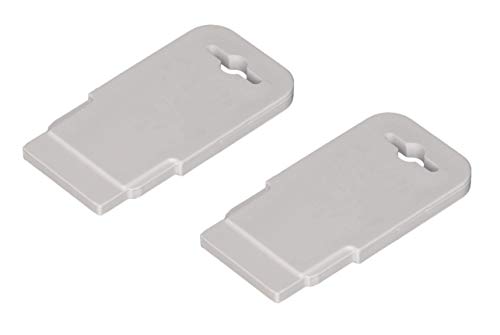 Pool Eyeball / Return Jet Fitting Removal Tool (ATIE)
Pops out & reseats Hayward SP1419 return-jet eyeballs — handy for closing. View on Amazon →
Pool Eyeball / Return Jet Fitting Removal Tool (ATIE)
Pops out & reseats Hayward SP1419 return-jet eyeballs — handy for closing. View on Amazon →
 Taylor K-2006C Complete FAS-DPD Pool & Spa Test Kit
The FAS-DPD kit pool pros trust — reads chlorine accurately even at shock/SLAM levels, plus pH, alkalinity, calcium hardness and CYA. View on Amazon →
Taylor K-2006C Complete FAS-DPD Pool & Spa Test Kit
The FAS-DPD kit pool pros trust — reads chlorine accurately even at shock/SLAM levels, plus pH, alkalinity, calcium hardness and CYA. View on Amazon →
 Liquid Chlorine / Sodium Hypochlorite (12.5%)
Everyday sanitizer — the B in BBB View on Amazon →
Liquid Chlorine / Sodium Hypochlorite (12.5%)
Everyday sanitizer — the B in BBB View on Amazon →
Still need help? Ask a Pool & Spa Expert AD
Get a personalized answer from PoolGuy810 — 30 years owning a pool and spa repair company. Describe your issue and get step-by-step help.
Need More Help?
Try our free pool calculators and tools to help diagnose and fix your pool problems.
Browse Pool ToolsSLAM calculator, pH calculator, salt dosing & more