Results for "equipment damage"
552+ Answers 2 New Today Free
Maintenance Medium varies by closure type 32

How Long Can a Pool Stay Closed? Duration & Safety Limits

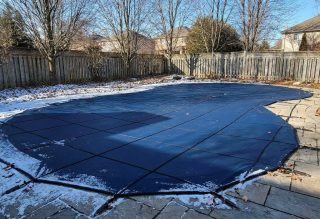
A properly winterized pool can stay closed for 6-8 months safely, while emergency closures should be limited to 2-4 weeks maximum. Beyond these timeframes, water chemistry deterioration and equipment damage risks increase significantly.

Pump Problems Easy 15 minutes to set up winter schedule 31

Should You Run Your Pool Pump in Winter? Complete Guide

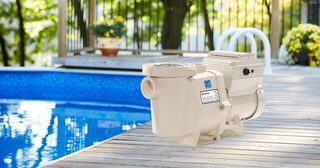
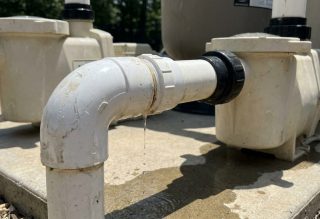
Yes, you need to run your pool pump in winter, but for shorter periods - typically 4-6 hours daily in mild climates or continuously during freezing weather to prevent equipment damage.

Salt Water Medium 24-48 hours waiting period, 1 hour actual work 21

Can I Vacuum Pool After Adding Salt? Complete Timing Guide

Yes, you can vacuum your pool after adding salt, but timing matters. Wait 24-48 hours for salt to fully dissolve and circulate before vacuuming to avoid equipment damage and ensure proper distribution.

Water Chemistry Medium 2-4 hours 16

Can Pool pH Be Too High? Problems & How to Lower It

Yes, pool pH can definitely be too high. When pH exceeds 7.8, it causes cloudy water, reduced chlorine effectiveness, equipment damage, and skin/eye irritation. Lower it gradually with muriatic acid or sodium bisulfate.

Water Chemistry Medium 45 minutes 15

Do All Pools Need Calcium? Pool Water Chemistry Guide

Not all pools need calcium at the same levels. Plaster pools require 250-350 ppm calcium hardness to prevent etching, while vinyl and fiberglass pools need lower levels around 150-250 ppm to avoid scale buildup and equipment damage.

Winterizing Hard 2-3 hours weekly maintenance 15

Can I Leave My Pool Covered All Summer? Complete Guide

While you can technically leave your pool covered all summer, it's not recommended as it creates anaerobic conditions that promote algae growth and equipment damage. If you must keep it covered, you'll need modified maintenance procedures.

Water Chemistry Medium 2-3 hours 15

Can You Shock Pool With Low pH? Safe Step-by-Step Guide

You can shock a pool with low pH, but it's more effective to raise the pH to 7.2-7.6 first. Low pH reduces chlorine effectiveness and can cause equipment damage, so adjust pH before shocking for best results.

Water Chemistry Medium 45 minutes 15

Do Pools Need Calcium? Complete Hardness Level Guide

Yes, pools need calcium to prevent equipment damage and surface deterioration. Ideal calcium hardness levels are 250-350 ppm for plaster pools and 150-300 ppm for vinyl/fiberglass pools.

Water Chemistry Easy 24 hours 2

Can I Swim in High Alkalinity Pool? Safety & Solutions

You can swim in a high alkalinity pool temporarily, but it may cause skin and eye irritation. High alkalinity isn't immediately dangerous but should be corrected to prevent equipment damage and maintain water comfort.

Feedback