
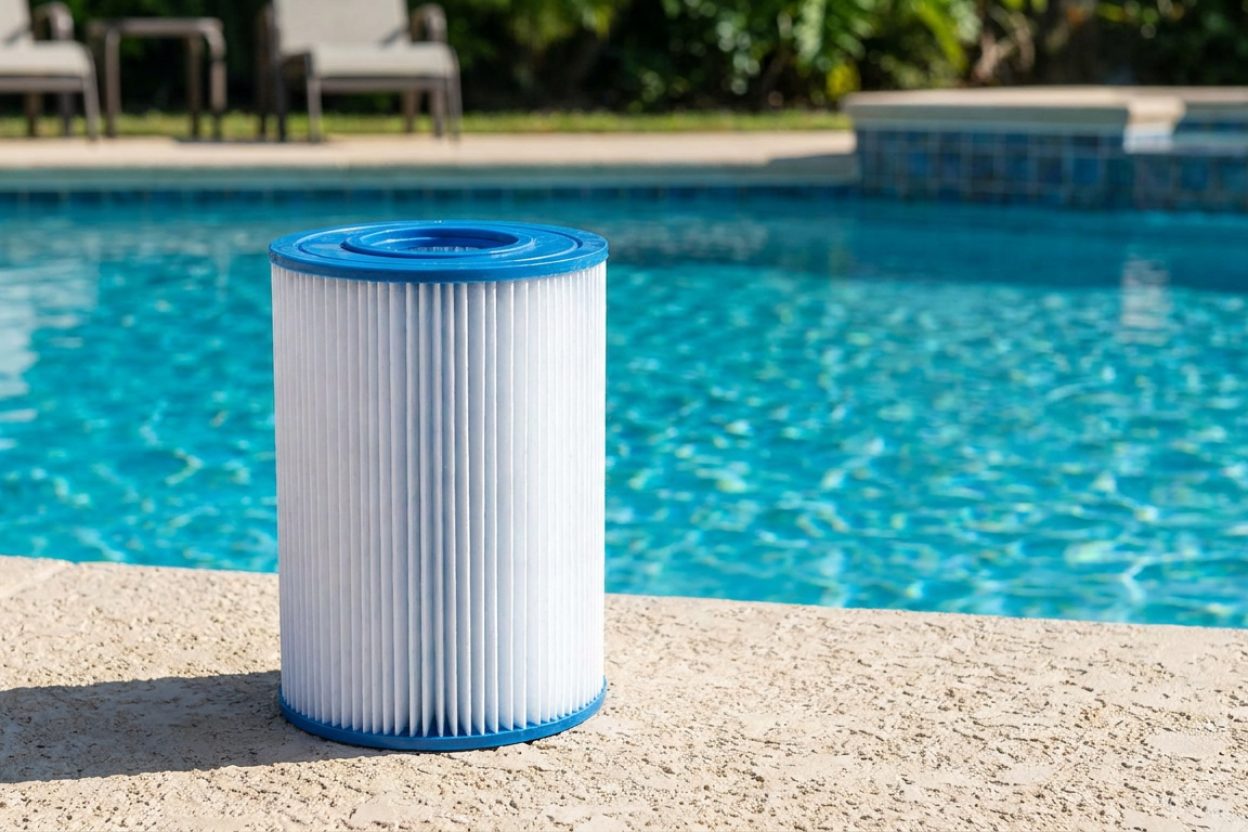
How Long Do Pool DE Filters Last? Complete Lifespan Guide

When should I replace DE filter grids and how often to change powder?
Read full question
Pulled the cover off my DE filter system today and got hit with this awful musty, stagnant smell after 18 months of running it on my 20,000-gallon pool. I've been adding fresh DE powder every few weeks after backwashing, but I'm not sure how long the actual filter grids are supposed to last before they need to be completely replaced.
Lately I've noticed that my filter cycles seem to be getting shorter - I'm having to backwash more frequently than I used to, and the water clarity isn't quite as crystal clear as it was when the system was newer. My pool gets moderate use with about 4-6 swimmers regularly, and I keep my chlorine around 2-3 ppm and pH at 7.4. Are these signs that my grids are wearing out, or is this normal aging? What's the typical lifespan I should expect from DE filter components?
Quick Answer
Pool DE filter grids typically last 5-10 years with proper maintenance, while DE powder needs replacement every 2-4 weeks. Signs of worn grids include shortened cleaning cycles and decreased water clarity.
If your grids develop a musty, stagnant smell, that's usually trapped oils and organics (biofilm) in the fabric rather than a sign the grids are worn out — deep-soak them in a filter degreaser to clear it before assuming you need replacements.
First, Let's Diagnose Your DE Filter's Condition
Before determining if your DE filter needs replacement, let's identify the current state of your system. Check these key indicators:
- Pressure gauge readings: Normal operating pressure should be 8-10 PSI above the clean starting pressure
- Water clarity: Cloudy water despite recent cleaning indicates worn filter grids
- Cleaning frequency: Needing to clean more than once every 2-4 weeks suggests grid deterioration
- Visual grid inspection: Look for tears, holes, or fabric deterioration during cleaning
- DE powder consumption: Using more DE than usual to achieve proper coating
DE Filter Component Lifespans
Filter Grids (5-10 Years)
The fabric filter grids are the heart of your DE system and have the longest lifespan. High-quality grids from manufacturers like Pentair, Hayward, or Jandy typically last:
- Light use pools: 8-10 years with proper care
- Moderate use pools: 5-7 years with regular cleaning
- Heavy use or harsh conditions: 3-5 years
The fabric gradually breaks down due to chemical exposure, pressure washing, and normal wear. Pools with consistently balanced water chemistry (pH 7.4-7.6, total alkalinity 80-120 ppm) will see longer grid life.
DE Powder (2-4 Weeks)
Fresh diatomaceous earth powder should be added after every backwash or cleaning. The typical replacement schedule:
- Recharge with fresh DE after each backwash/cleaning (typically every 2-4 weeks in season)
- After each backwash cycle (usually 1-2 times per month)
- When pressure rises 8-10 PSI above starting pressure
- Following any water chemistry corrections or algae treatments
Troubleshooting Shortened Filter Life
Problem: Grids Only Lasting 6-12 Months
Most likely causes and solutions:
- Imbalanced water chemistry: Test your water with a quality test kit like the Taylor K-2006C. Maintain pH between 7.2 and 7.8 for water balance and comfort; pool-range high pH mainly promotes scaling (which can clog media) rather than breaking down the filter fabric. Use muriatic acid to lower pH when needed.
- Excessive pressure washing: Avoid using pressure washers on grids as high pressure destroys the fabric weave. Use a garden hose with moderate pressure instead.
- Chemical cleaning overuse: Limit acid washing to 2-3 times per year. Excessive chemical cleaning degrades the fabric. Remove oils first with a degreaser, then—only if mineral scale remains—soak briefly in a dilute acid solution (about 1 cup muriatic acid per 10 gallons of water, acid added to water); never acid-soak greasy grids.
- Poor DE powder quality: Use only pool-grade (calcined) DE, not food- or garden-grade. Premium pool-grade brands like Celite or DicaLite/CelaPool provide better filtration and cause less grid wear.
Problem: Frequent DE Powder Replacement
Troubleshooting steps:
- Check for grid damage: Torn grids allow DE to pass through, requiring more frequent additions. Inspect each grid carefully during cleaning.
- Verify proper precoating: Add 1 pound of DE per 10 square feet of filter area. Insufficient precoating leads to faster clogging.
- Address high bather load: Heavy pool use introduces more contaminants. Consider upgrading to a larger filter or cleaning more frequently.
- Balance water chemistry: High total dissolved solids (TDS) above 1500 ppm cause faster filter loading. Partial water replacement may be necessary.
Maximizing DE Filter Lifespan
Proper Maintenance Schedule
- Weekly: Check pressure gauge, maintain free chlorine at the right level for your CYACyanuric Acid (stabilizer) — Sunscreen for your chlorine — it keeps sunlight from burning it off. The catch: the more you have, the more chlorine you need to keep. learn more → (typically 4-8 ppm for a stabilized outdoor pool)
- Bi-weekly: Test and balance full water chemistry panel
- Monthly: Backwash and recharge with fresh DE when pressure rises 8-10 PSI
- Seasonally: Remove and clean grids with garden hose, inspect for damage
- Annually: Deep-clean grids with a degreaser soak; acid-soak only if mineral scale remains; replace damaged grids
Chemical Balance for Longer Life
Maintain these parameters using the TFP method:
- Free Chlorine: 4-6 ppm for CYA 30-50, 6-8 ppm for CYA 70-80 (based on CYA level using the all-in-one pool calculator)
- CYA (Stabilizer): 30-50 ppm for regular pools, 70-80 for salt water generators
- pH: 7.4-7.6 (use muriatic acid to lower, soda ash to raise)
- Total Alkalinity: 80-120 ppm for regular pools, 60-80 for SWGSalt Water Generator — The "salt cell" that makes chlorine from the salt in a saltwater pool. Same chlorine — it just makes its own. pool terms →
- Calcium Hardness: 250-350 ppm for plaster pools, 150-250 for vinyl/fiberglass
When to Replace vs. Repair
Replace Grids When:
- Fabric shows holes larger than 1/4 inch
- Multiple tears appear along seams
- Fabric feels thin or deteriorated when wet
- Cleaning cycles shorten to less than 2 weeks despite proper chemistry
- DE powder consistently passes through to pool
You Can Repair When:
- Small tears (under 1/4 inch) appear in fabric
- Plastic frames crack but fabric remains intact
- Individual grids are damaged but others remain functional
Safety warning: Always wear a dust mask when handling DE powder, as inhalation can cause respiratory irritation. Add DE slowly through the skimmer with pump running to ensure proper distribution.
By following proper maintenance procedures and maintaining balanced water chemistry, your DE filter grids should provide 5-10 years of effective filtration, while consistent DE powder replacement every 2-4 weeks will ensure optimal water clarity throughout the swimming season.
For the full breakdown of safe chlorine levels by CYA level, see our pool water chemistry guide.
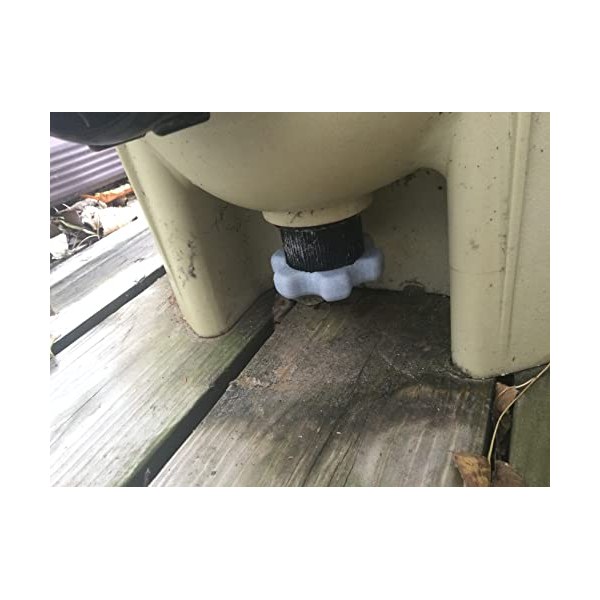 Filter Drain Plug Wrench (Pentair Clean & Clear/FNS)
Grips the drain plug on Pentair Clean & Clear and FNS filters. View on Amazon →
Filter Drain Plug Wrench (Pentair Clean & Clear/FNS)
Grips the drain plug on Pentair Clean & Clear and FNS filters. View on Amazon →
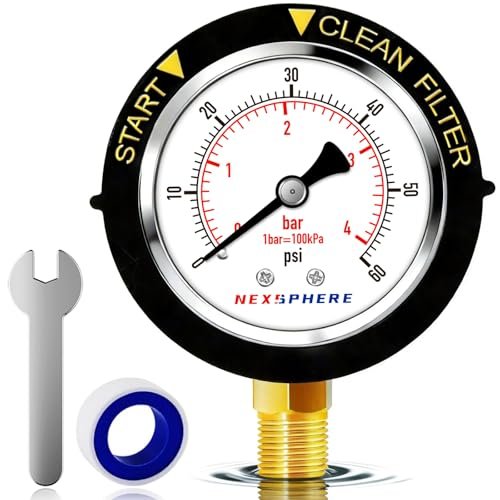 NexSphere Pool Filter Pressure Gauge, 0–60 PSI, 2 in Dial
Replacement back-mount gauge so you can read filter pressure and know when to backwash. View on Amazon →
NexSphere Pool Filter Pressure Gauge, 0–60 PSI, 2 in Dial
Replacement back-mount gauge so you can read filter pressure and know when to backwash. View on Amazon →
 Taylor K-2006C Complete FAS-DPD Pool & Spa Test Kit
The FAS-DPD kit pool pros trust — reads chlorine accurately even at shock/SLAM levels, plus pH, alkalinity, calcium hardness and CYA. View on Amazon →
Taylor K-2006C Complete FAS-DPD Pool & Spa Test Kit
The FAS-DPD kit pool pros trust — reads chlorine accurately even at shock/SLAM levels, plus pH, alkalinity, calcium hardness and CYA. View on Amazon →
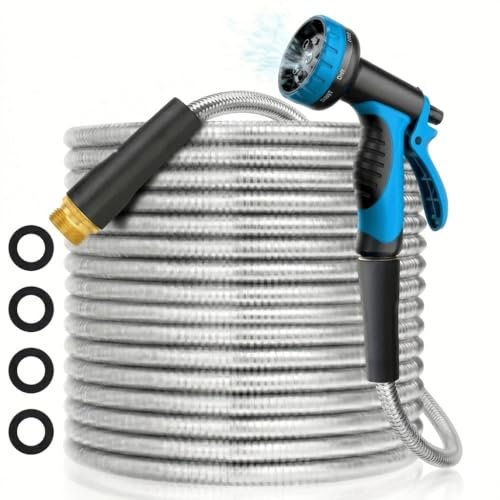 50 ft Flexible Metal Garden Hose (Kink-Free)
Durable hose for filling, priming, and rinsing equipment. View on Amazon →
50 ft Flexible Metal Garden Hose (Kink-Free)
Durable hose for filling, priming, and rinsing equipment. View on Amazon →
Still need help? Ask a Pool & Spa Expert AD
Get a personalized answer from PoolGuy810 — 30 years owning a pool and spa repair company. Describe your issue and get step-by-step help.
Related Pool Guides
Need More Help?
Try our free pool calculators and tools to help diagnose and fix your pool problems.
Browse Pool ToolsSLAM calculator, pH calculator, salt dosing & more