
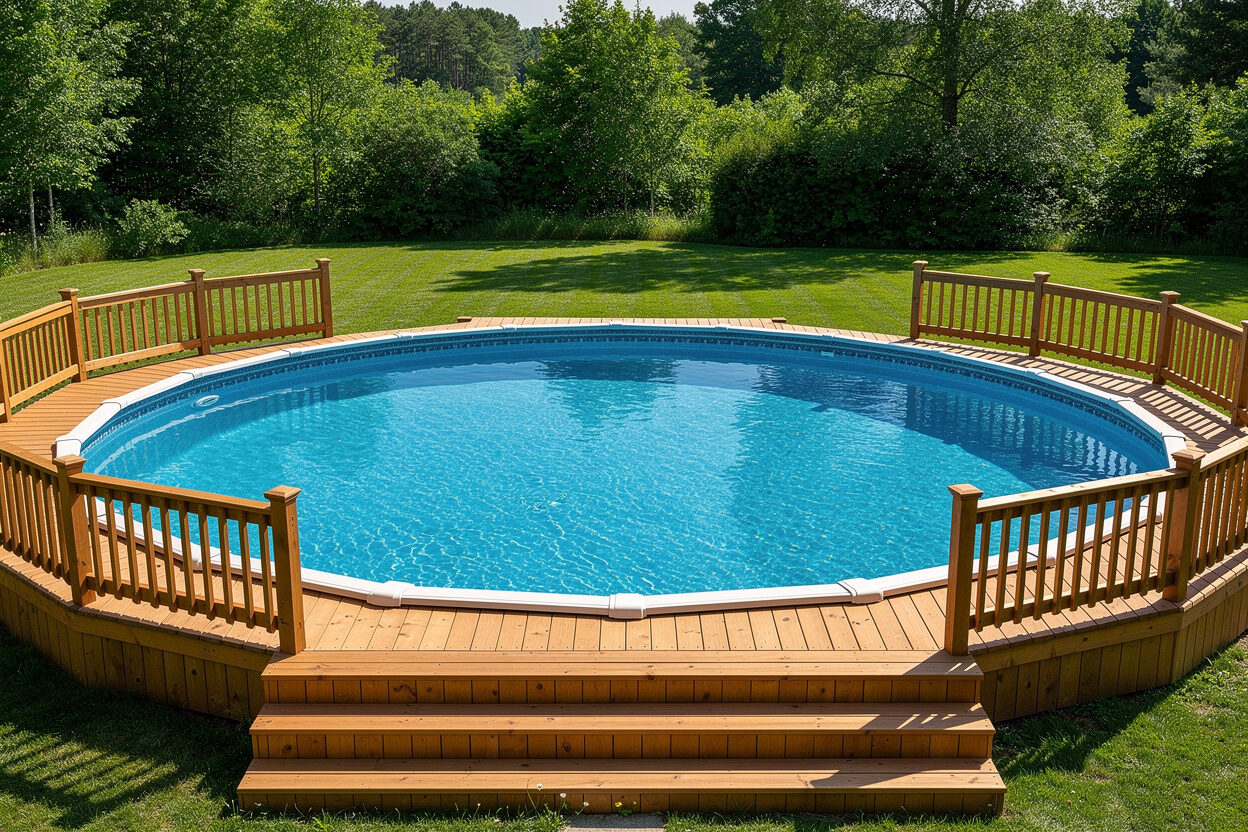
Can Pool Liners Shrink? Causes, Prevention & Solutions

Pool liner pulling away from walls - is it shrinking?
Read full question
Finally asking what's probably a dumb question, but why does my vinyl liner keep pulling away from the pool walls, especially after this cold snap we had? Is this normal shrinkage or something else?
What causes pool liners to shrink? Want to know if I can prevent this or if I need professional help.
Quick Answer
Pool liners can shrink due to cold temperatures, chemical imbalances, age, and improper installation. The most common causes are draining or a low water level, air or water trapped behind the liner, and age-related loss of elasticity; cold is only a contributing factor. Proper water chemistry, temperature management, and regular maintenance can prevent shrinkage. Solutions for minor to severe shrinkage include warming the water, professional re-stretching, and liner replacement.
What Causes Pool Liner Shrinkage
If your pool is full and the liner is pulling off the wall, true shrinkage is often not the cause. On a filled pool the most common culprits are air or water trapped behind the liner ("puffing"), which pushes it off the wall, or the bead slipping out of the track. Before assuming the liner has shrunk, check for and clear any water behind the liner and try reseating the bead in the track — that often solves it without a heater or replacement.
Temperature Fluctuations
Cold weather contributes to liner shrinkage. Vinyl contracts as temperatures drop, and when water temperature falls below 60°F it becomes less flexible. But cold alone, on a full pool, is well tolerated. Damaging shrinkage occurs mainly when the liner is drained or the water level drops, letting the vinyl relax and contract. The key protection is keeping the pool full of water year-round; a full liner tolerates winter cold fine, so winterized pools are intentionally closed cold without heating.
Chemical Imbalances
Improper water chemistry accelerates liner deterioration and shrinkage. High Per the CDC pool code (Model Aquatic Health Code), free chlorine should not exceed 10 ppm while anyone is in the water, so wait until it is below 10 ppm to swim. The same code also calls for the water to be clear enough to see the bottom and pH held at 7.2-7.8. However, extended exposure to concentrated chlorine can make vinyl brittle (pool-diluted chlorine at the right level for your CYACyanuric Acid (stabilizer) — Sunscreen for your chlorine — it keeps sunlight from burning it off. The catch: the more you have, the more chlorine you need to keep. learn more → will not) and prone to shrinking. Low pH below 7.0 creates acidic conditions that break down vinyl's plasticizers - the chemicals that keep vinyl flexible. Similarly, high pH above 7.8 can cause scaling that damages the liner surface. Warning: Never add granular chlorine directly to your pool, as concentrated chlorine will immediately damage vinyl.
Age and UV Exposure
Pool liners naturally lose plasticizers over time, typically becoming noticeably less flexible after 5-7 years. UV rays from sunlight break down vinyl compounds, making older liners more susceptible to shrinkage. Even with proper chemical balance, liners older than 10 years often shrink during temperature changes that wouldn't affect newer liners.
Improper Installation
Liners installed too tightly or during cold weather are pre-stressed and more likely to shrink. Professional installers typically install liners when air temperature is between 70-85°F to ensure proper fit. Liners stretched too tight during installation have no "give" when contraction occurs.
Signs Your Liner is Shrinking
- Liner pulling away from coping or pool walls
- New wrinkles appearing, especially in corners
- Visible gaps between liner and pool structure
- Difficulty maintaining proper water level
- Tears developing at stress points
- Return fittings becoming loose or pulling inward
Prevention Strategies
Maintain Proper Water Chemistry
Keep free chlorine at the right level for your CYA (typically 4-8 ppm for a stabilized outdoor pool) using liquid chlorine (sodium hypochlorite). Test weekly with a reliable test kit like the Taylor K-2006C or equivalent. Maintain pH between 7.4-7.6 for water balance and comfort (the bigger liner risk is chronically low/acidic pH). Keep total alkalinity between 80-120 ppm to buffer pH changes. For CYA (cyanuric acid), target 30-50 ppm - higher levels require higher chlorine levels that can damage vinyl.
Temperature Management
If possible, avoid draining your pool when temperatures are below 65°F. When closing for winter, keep the pool full (to just below the skimmer). Never drain a vinyl pool — an empty liner is what shrinks and pulls off the wall. Consider using a pool heater to maintain temperature above 60°F during unexpected cold snaps in swimming season.
Regular Maintenance
Inspect your liner monthly for early signs of shrinkage. Clean regularly with vinyl-safe cleaners - avoid abrasive brushes that can damage the surface. Replace liners proactively after 8-10 years rather than waiting for failure.
Solutions for Shrinking Liners
Minor Shrinkage
For slight pulling or small gaps, gradually warming the water can help vinyl regain some flexibility. Use a pool heater to slowly raise water temperature to 75-80°F over several days. The liner may partially relax back into position, though it rarely returns to original fit.
Moderate Shrinkage
Professional re-stretching may be possible for liners under 5 years old with moderate shrinkage. This involves draining the pool, carefully re-positioning the liner, ensuring proper bead reset in the track, and re-establishing adhesion at attachment points. Success depends on the liner's remaining flexibility and the extent of shrinkage.
Severe Shrinkage
Liners with significant shrinkage, tears, or age-related brittleness require replacement. Attempting to force a severely shrunk liner back into position often results in tears and complete failure.
When to Call a Professional
Contact a pool professional immediately if you notice sudden liner shrinkage, especially if accompanied by tears or significant gaps. Emergency repairs may prevent complete liner failure. Always consult professionals before attempting to drain and re-stretch a liner, as improper technique can cause irreparable damage.
Cost Considerations
Liner replacement costs $350-$1,500 for above-ground pools depending on size and liner quality. Inground pool liner replacement typically costs significantly more. Professional re-stretching costs $300-$800 but isn't always successful. Prevention through proper maintenance is far more economical than replacement.
Common Mistakes to Avoid
Never use a hair dryer or heat gun to warm a shrinking liner - excessive heat will damage vinyl permanently. Don't ignore early signs of shrinkage hoping it will resolve itself. Avoid over-chlorinating to compensate for poor water balance, as this accelerates liner damage. Don't attempt DIY liner installation in cold weather without professional guidance.
For the full breakdown of safe chlorine levels by CYA level, see our pool water chemistry guide.
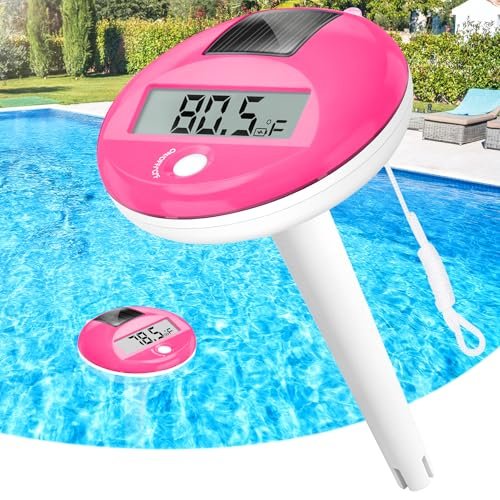 LuxBlue Floating Pool Thermometer, Solar, Large LCD
Easy-read floating thermometer for pool water temperature. View on Amazon →
LuxBlue Floating Pool Thermometer, Solar, Large LCD
Easy-read floating thermometer for pool water temperature. View on Amazon →
 Taylor K-2006C Complete FAS-DPD Pool & Spa Test Kit
The FAS-DPD kit pool pros trust — reads chlorine accurately even at shock/SLAM levels, plus pH, alkalinity, calcium hardness and CYA. View on Amazon →
Taylor K-2006C Complete FAS-DPD Pool & Spa Test Kit
The FAS-DPD kit pool pros trust — reads chlorine accurately even at shock/SLAM levels, plus pH, alkalinity, calcium hardness and CYA. View on Amazon →
Still need help? Ask a Pool & Spa Expert AD
Get a personalized answer from PoolGuy810 — 30 years owning a pool and spa repair company. Describe your issue and get step-by-step help.
Related Pool Guides
Need More Help?
Try our free pool calculators and tools to help diagnose and fix your pool problems.
Browse Pool ToolsSLAM calculator, pH calculator, salt dosing & more