
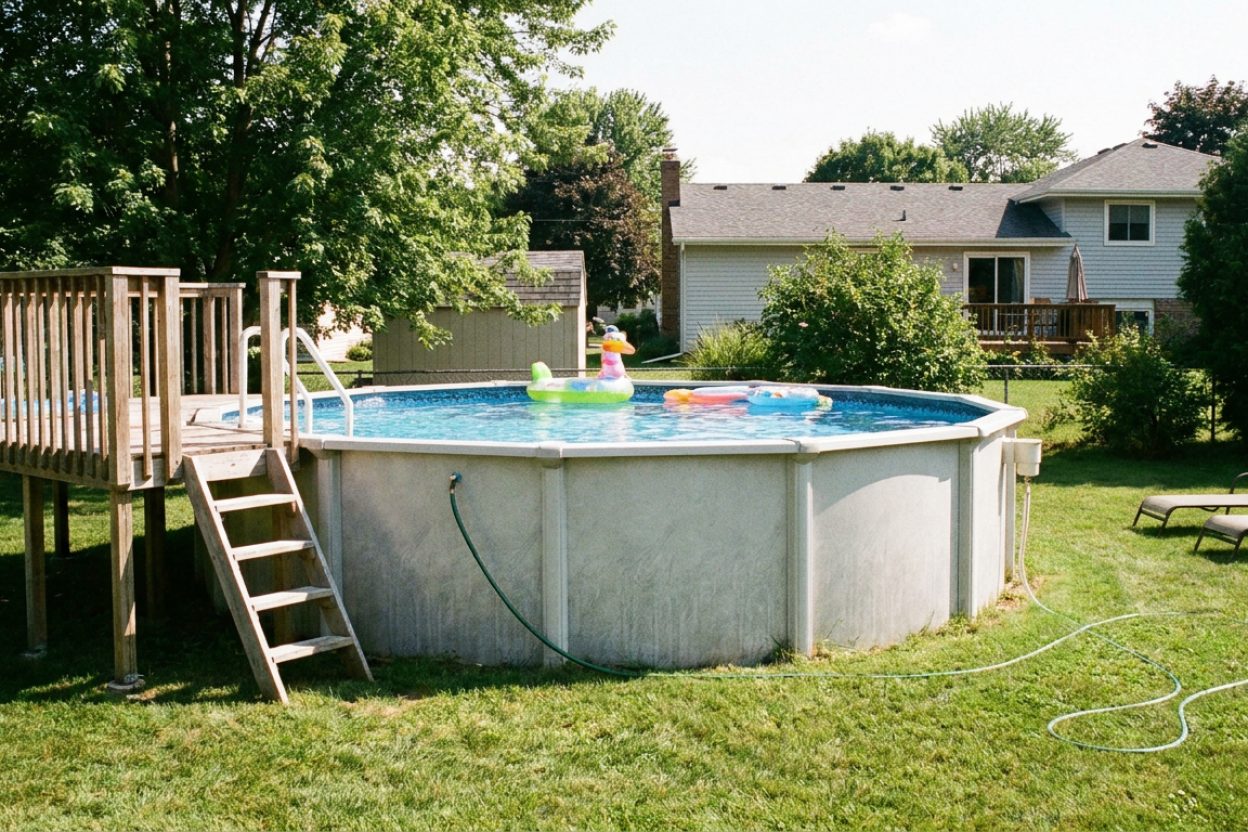
How Long Do Above Ground Pools Last? Lifespan Guide 2026

What's the typical lifespan of different above ground pool types?
Read full question
Every YouTube video promised their above ground pool would last 20+ years, but now I'm drowning in conflicting lifespan advice and more confused than ever. I've been looking at steel, aluminum, and resin options and they're all pretty different price-wise.
Before I commit, I'd love to know how long each type typically lasts? Like, are we talking a few years or more like a decade? And does the material really make that big of a difference, or is it more about how well you take care of it? Don't want to cheap out now and regret it later when I'm dealing with rust or cracks!
Quick Answer
Above ground pools typically last 7-15 years, with resin pools lasting longest (10-15 years), followed by aluminum (8-12 years), and steel pools (7-10 years). Proper maintenance, water chemistry, and climate protection significantly extend lifespan.
Step-by-Step Lifespan Analysis by Pool Type
- Steel Above Ground Pools (7-10 years)
Steel pools are the most affordable but have the shortest lifespan. The steel walls are prone to rust and corrosion, especially in humid climates or coastal areas. Salt water systems accelerate corrosion significantly, reducing lifespan to 5-7 years. - Aluminum Above Ground Pools (8-12 years)
Aluminum pools resist rust better than steel but can still corrode over time. They're particularly susceptible to galvanic corrosion when different metals come into contact. Aluminum pools handle salt water better than steel but still experience reduced lifespan with salt chlorine generators. - Resin Above Ground Pools (10-15 years)
Resin pools offer the longest lifespan because they don't corrode or rust. The polymer construction resists chemicals, salt water, and UV damage. While more expensive initially, they provide the best long-term value. - Hybrid Above Ground Pools (9-13 years)
Hybrid pools combine resin top rails and caps with steel or aluminum walls. This design protects the most vulnerable areas from corrosion while keeping costs moderate.
Component Lifespan Breakdown
- Pool Liner (5-9 years)
Vinyl liners are the most frequently replaced component. Thicker liners (25-30 mil) last longer than thin ones (20 mil). UV exposure, chemical imbalances, and physical damage affect liner life. - Pool Pump (single-speed 8-12 years, variable-speed 10-15+ years)
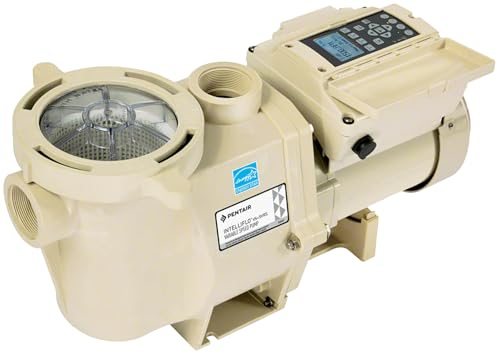
Variable speed pumps typically last longer than single-speed models. Proper sizing and regular maintenance extend pump life significantly. - Filter System (cartridge elements 2-5 years, sand media 5-7 years, DE grids 5-10 years)
Sand filters last much longer than cartridge filters but require backwashing. DE filter grids last 5-10 years, and the DE powder media is replaced after each cleaning or backwash cycle. - Pool Heater (gas 5-10 years, heat pump 10-20 years)
Heat pumps generally outlast gas heaters (their titanium heat exchangers resist corrosion), but proper water chemistry is crucial for both types to prevent heat exchanger damage.
Factors That Reduce Pool Lifespan
- Poor Water Chemistry Management
Incorrect pH levels (below 7.0 or above 8.0) cause equipment corrosion and liner damage. Low pH is particularly destructive to metal components. Maintain pH between 7.4-7.6 using muriatic acid to lower or sodium carbonate to raise. - Inadequate Chlorine Stabilization
Without proper CYACyanuric Acid (stabilizer) — Sunscreen for your chlorine — it keeps sunlight from burning it off. The catch: the more you have, the more chlorine you need to keep. learn more → (cyanuric acid) levels of 30-50 ppm, chlorine dissipates rapidly, leading to algae growth and increased chemical usage. Add stabilizer following manufacturer's dosing instructions, as the amount varies significantly by product form (granular vs liquid) and type (pure stabilizer vs dichlor vs trichlor). - Salt Water System Misuse
While convenient, salt chlorine generators reduce the lifespan of metal pool components. Steel pools may only last 5-7 years with salt systems versus 8-10 years with traditional chlorine. - Extreme Weather Exposure
UV radiation degrades liners and equipment. Freezing temperatures can crack components if not properly winterized. Wind damage from storms can stress the pool structure. - Improper Installation
Uneven ground, inadequate base preparation, and incorrect assembly significantly reduce pool lifespan. The pool should be level within 1-2 inches maximum difference between the highest and lowest points around the perimeter.
Steps to Maximize Pool Lifespan
- Test Water Chemistry Weekly
Use a quality test kit like the Taylor K-2006 to monitor Free Chlorine (FCFree Chlorine — The chlorine actively sanitizing your water right now. This is the number you keep an eye on. how much you need →), pH, TATotal Alkalinity — The buffer that keeps your pH from bouncing around. Get this in range and pH gets a lot easier to manage. learn more →, CYA, and CH levels. Test more frequently during heavy use or weather changes. - Maintain Proper Chemical Balance
Keep FC at appropriate levels based on CYA (use FC/CYAFC/CYA chart — The chart that sets your chlorine target from your stabilizer (CYA) level — the two go together. see the chart → chart), pH at 7.4-7.6, TA at 80-120 ppm, and CH at 175-225 ppm for vinyl pools. - Protect from UV Damage
Use a quality pool cover when not in use. Consider shade structures or umbrellas to reduce direct sunlight exposure during peak hours. - Perform Regular Equipment Maintenance
Clean pump baskets weekly, backwash sand filters monthly, and clean cartridge filters every 2-4 weeks during swimming season. - Proper Winterization
In freezing climates, completely drain the pool or use proper antifreeze products. Remove and store equipment indoors when possible. - Address Issues Promptly
Small rust spots, liner wrinkles, or equipment problems worsen quickly if ignored. Early intervention prevents major repairs.
When to Replace vs. Repair
- Replace the Entire Pool When:
- Wall corrosion affects more than 20% of the structure
- Multiple major components fail simultaneously
- Repair costs exceed 50% of replacement cost
- Pool age exceeds manufacturer's warranty period significantly - Consider Major Repairs When:
- Pool is less than 7 years old
- Only one major component needs replacement
- Wall structure remains sound
- Cost-effective compared to full replacement
Safety Warning: Never attempt to repair structural damage to pool walls yourself. Improper repairs can lead to catastrophic failure and flooding. Always consult a professional pool technician for structural issues.
For the full breakdown of safe chlorine levels by CYA level, see our pool water chemistry guide.

Still need help? Ask a Pool & Spa Expert AD
Get a personalized answer from PoolGuy810 — 30 years owning a pool and spa repair company. Describe your issue and get step-by-step help.
Related Pool Guides
Need More Help?
Try our free pool calculators and tools to help diagnose and fix your pool problems.
Browse Pool ToolsSLAM calculator, pH calculator, salt dosing & more