
Results for "winter-closing"

597+ Answers Free
When Are Pools Open in Las Vegas? Year-Round Pool Season
Maintenance Easy 15 minutes 217

When Are Pools Open in Las Vegas? Year-Round Pool Season

Most Las Vegas pools operate year-round due to the desert climate, with peak season from May through October. Many commercial pools and resorts stay open 24/7 during peak months, while residential pools typically benefit from heating systems November through March.

Pool Pump Troubleshooting & Maintenance Guide 2024
Pump Problems Medium 15-20 minutes 119

Pool Pump Troubleshooting & Maintenance Guide 2024

Pool pumps require regular maintenance and troubleshooting to operate efficiently. Common issues include low water flow, unusual noises, and electrical problems that can often be resolved with proper diagnosis and maintenance.

How Long Are Pools Open in Texas? Swimming Season Guide
Maintenance Easy varies by season 99

How Long Are Pools Open in Texas? Swimming Season Guide

Most Texas pools operate 8-10 months per year (March through November) due to the warm climate. With proper heating systems, many pools can stay open year-round in most Texas regions.

Do Salt Water Pools Freeze? Winter Protection Guide
Salt Water Medium 2-4 hours for complete winterization 94

Do Salt Water Pools Freeze? Winter Protection Guide

Yes, salt water pools do freeze, but at slightly lower temperatures than fresh water (around 28-32°F vs 32°F). The salt content provides minimal freeze protection, so proper winterization is still essential.

How Long Do Above Ground Pool Liners Last? Complete Guide
Above Ground Easy 5 minutes 90

How Long Do Above Ground Pool Liners Last? Complete Guide

Above ground pool liners typically last 6-10 years, with premium vinyl liners potentially lasting up to 15 years. Proper water chemistry, UV protection, and maintenance significantly extend liner life.

Do Saltwater Pools Need Cyanuric Acid? Essential Guide
Salt Water Medium 2 hours including testing and adjustment 88

Do Saltwater Pools Need Cyanuric Acid? Essential Guide

Yes, saltwater pools absolutely need cyanuric acid (stabilizer) to protect the chlorine generated by the salt cell from UV degradation. Maintain CYA levels between 70-80 ppm for optimal protection.

Do I Need to Shock My Pool Weekly? Complete Frequency Guide
Maintenance Medium 30 minutes 80

Do I Need to Shock My Pool Weekly? Complete Frequency Guide

You don't necessarily need to shock your pool weekly. Shocking frequency depends on usage, weather conditions, and your free chlorine levels. Most well-maintained pools need shocking every 2-3 weeks or when combined chlorine exceeds 0.5 ppm.

Do I Need to Run My Pool Pump All the Time? Runtime Guide
Pump Problems Easy 30 minutes 79

Do I Need to Run My Pool Pump All the Time? Runtime Guide

You don't need to run your pool pump 24/7. Most pools require 8-12 hours of daily operation to achieve proper turnover and filtration, depending on pool size, bather load, and environmental conditions.

Does Lowe's Have Pool Vacuums? Complete Buying Guide 2024
Equipment Easy 60 minutes 79

Does Lowe's Have Pool Vacuums? Complete Buying Guide 2024

Yes, Lowe's carries a variety of pool vacuums including manual, automatic, and robotic models both in-store and online. Their selection includes popular brands like Hayward, Pentair, and Dolphin with prices ranging from $30 for basic manual vacuums to $1,500+ for premium robotic cleaners.

Should I Cover My Pool Heater in Winter? Complete Guide
Winterizing Medium 2-3 hours 78

Should I Cover My Pool Heater in Winter? Complete Guide

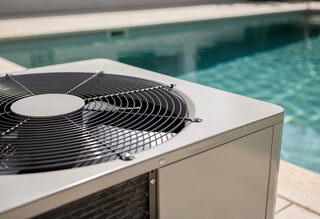
Yes, you should cover your pool heater in winter if it's not being used, especially for heat pumps and electric heaters. Gas heaters typically need less protection but benefit from covers in harsh climates.

Above Ground Pool Permit Requirements in Florida 2024
Above Ground Medium 2-3 hours research and application 76

Above Ground Pool Permit Requirements in Florida 2024

In Florida, above ground pools typically require permits if they hold more than 5,000 gallons of water or are deeper than 24 inches. Requirements vary by county, so check with your local building department before installation.

Feedback