
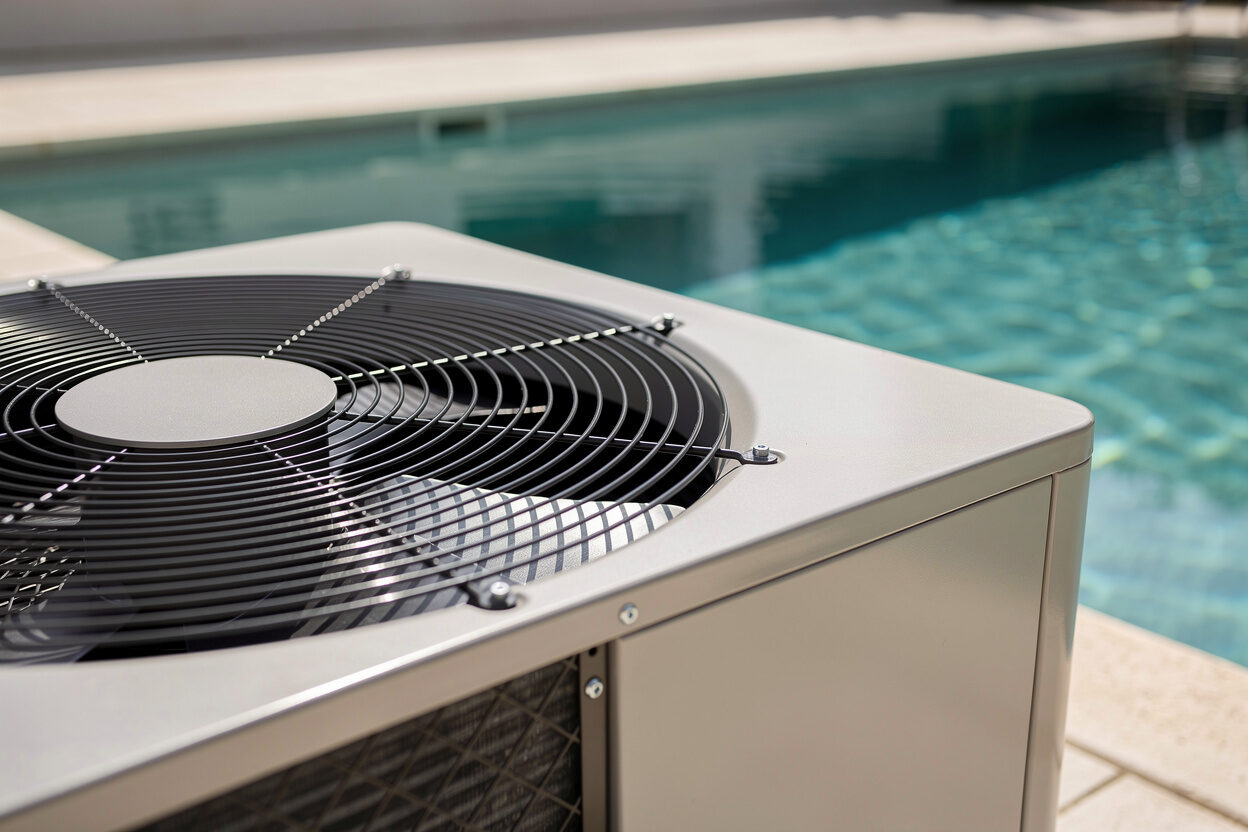
Do I Need a Pool Heater in Florida? What to Consider

Is a pool heater necessary for year-round family swimming in FL?
Read full question
Finally hit my budget limit this winter but can't justify spending $3,000+ on a pool heater when the water's dropping into the 60s — any cheaper solutions for the kids? We're in the Orlando area, and I've noticed that even though it's the 'sunshine state,' our pool water gets pretty chilly during the winter months - sometimes dropping into the 60s.
I want my children to be able to enjoy the pool year-round without shivering or getting too cold, which I worry could affect their swimming ability or even be unsafe. Do most Florida families really need pool heaters to keep the water at a comfortable temperature for kids, or is this just a luxury? I'm trying to figure out if this is a worthwhile investment for our family's safety and comfort.
Quick Answer
Most Florida pool owners benefit from a heater, especially in Central and North Florida where winter temperatures can drop pool water into the 60s. Even South Florida pools may need heating for year-round comfort.
First, Let's Diagnose Your Heating Needs
First thing to check: your water temperature on a February morning — nine times out of ten, that 62-degree pool will tell you everything you need to know about heating in Florida. Florida's climate varies significantly from the Panhandle to the Keys, and your heating needs will depend on your exact location, pool usage patterns, and comfort preferences.
Cheaper Options Before You Buy a Heater
Since you're balking at a $3,000+ heater, start with the low-cost moves that buy several degrees and stretch the shoulder season for the kids:
- Solar cover / blanket (~$50-300): Most heat loss is evaporation off the surface overnight. A solar cover can keep water roughly 10°F warmer and is the single most cost-effective thing you can add.
- Solar sun rings (~$40 each): Modular floating discs that warm the water in full sun with no install — a flexible, cheaper alternative to a full solar blanket.
- DIY black-hose / solar coil: An inexpensive way to pick up a few degrees on sunny days.
Be realistic about what these do: they retain and extend warmth rather than replace a heater. They won't deliver true winter swimming in a cold snap, but for an Orlando family wanting a more comfortable pool without a big spend, a solar cover (plus maybe sun rings) is the right first move — with a heat pump as the bigger-budget upgrade later if you decide you want guaranteed winter temperatures.
Analyzing Florida's Regional Temperature Patterns
Florida's geography creates three distinct climate zones that directly impact pool heating requirements:
North Florida (Jacksonville, Tallahassee, Gainesville)
In North Florida, winter air temperatures regularly drop into the 40s and 50s, causing unheated pool water to cool to uncomfortable levels between December and March. Without a heater, your pool water will typically range from 55-65°F during winter months, making swimming unpleasant for most people. A pool heater is highly recommended in this region for year-round swimming.
Central Florida (Orlando, Tampa, Lakeland)
Central Florida experiences milder winters, but overnight temperatures in the 40s and 50s still occur regularly from December through February. Pool water temperatures without heating typically drop to 60-70°F during winter months. While some hardy swimmers might tolerate these temperatures, most pool owners find heating necessary for comfortable year-round use.
South Florida (Miami, Fort Lauderdale, West Palm Beach)
South Florida has the warmest climate, but even here, winter nights can dip into the 50s and 60s. Unheated pools may cool to 65-75°F during the coldest months. While this is more tolerable, many pool owners still prefer the comfort of heated water, especially for evening swimming or when entertaining guests.
Evaluating Your Pool Usage Patterns
Your heating needs also depend on how and when you use your pool:
Year-Round Swimming
If you want to swim comfortably throughout the year, a heater is essential in most of Florida. Even in the warmest regions, winter water temperatures can feel uncomfortably cool, especially during evening hours or after cold fronts.
Seasonal Use
If you only swim during warmer months (April through October), you may not need a heater in Central or South Florida. However, North Florida pools benefit from heating even during shoulder seasons to extend the comfortable swimming period.
Entertainment and Hosting
Pool owners who frequently host gatherings or have children typically find heaters worthwhile. Guests expect comfortable water temperatures, and children are particularly sensitive to cool water.
Understanding Pool Heating Economics
The cost-effectiveness of pool heating in Florida is generally favorable compared to northern climates because you're extending comfort rather than making swimming possible. Here's what to consider:
Heating Costs
In Florida, heating costs are typically lower because you're raising water temperature by 10-15°F rather than 20-30°F in colder climates. Using a pool cover can reduce heating costs by 50-70% by preventing heat loss and evaporation. Gas heaters cost roughly $200-400 per month for natural gas, and more for propane, depending on BTU capacity, pool size, and local fuel prices, while heat pumps cost around $50-150 per month depending on pool size, heat pump COP ratings (typically 3-5 in Florida's mild climate), and local electricity rates.
Usage Extension
A heater can extend your comfortable swimming season by 2-4 months in North Florida and 1-2 months in South Florida, significantly increasing your pool's value and enjoyment.
Choosing the Right Heater Type for Florida
Florida's climate makes heat pumps particularly attractive because they work efficiently in mild temperatures:
Heat Pumps
Heat pumps are ideal for Florida because they work efficiently in mild temperatures (typically maintaining COP of 3-5 in Florida conditions), though efficiency decreases below 50°F air temperature. Most modern heat pumps remain effective down to 45°F, with some models operating to 35°F. They're the most economical choice for maintaining comfortable pool temperatures year-round in Florida's mild climate. Expect to pay around $3,000-7,500 for a quality heat pump installation.
Gas Heaters
Gas heaters heat pools quickly and work regardless of air temperature, making them excellent for occasional use or rapid heating. They're perfect if you only want to heat your pool occasionally or need quick temperature recovery after cold snaps. Installation costs range from around $2,500-6,500.
Solar Heating
Florida's abundant sunshine makes solar heating very effective, though it works best when combined with a backup system for cloudy periods and winter months. Solar systems cost around $6,000-8,000 but have minimal operating costs.
Special Considerations for Florida Pools
Hurricane Season Preparation
Important: Gas heaters should be properly secured or removed before hurricanes. Heat pumps need adequate clearance and may require professional inspection after severe weather.
Humidity and Comfort
Florida's high humidity can make air temperatures feel warmer, but water temperature requirements remain the same. Don't assume that humid 75°F air will make 65°F water feel comfortable.
Snowbird Considerations
If you're a seasonal resident, a heater allows you to enjoy your pool immediately upon arrival rather than waiting for natural warming. This is especially valuable for winter visitors to Florida.
Making Your Final Decision
Based on this diagnostic process, here are the recommendations:
- North Florida: Yes, you need a heater for comfortable year-round swimming
- Central Florida: Highly recommended for year-round use, optional for seasonal swimming
- South Florida: Recommended for optimal comfort, especially for evening swimming and entertaining
- All regions: Consider your budget, usage patterns, and comfort preferences in your decision
Remember that a pool heater is an investment in your property value and family enjoyment. In Florida's favorable climate, the operating costs are reasonable, and the comfort benefits are substantial.
Still need help? Ask a Pool & Spa Expert AD
Get a personalized answer from PoolGuy810 — 30 years owning a pool and spa repair company. Describe your issue and get step-by-step help.
Related Pool Guides
Need More Help?
Try our free pool calculators and tools to help diagnose and fix your pool problems.
Browse Pool ToolsSLAM calculator, pH calculator, salt dosing & more