
Can I Leave Pool Pump Outside in Winter? Storage Guide

Is it safe to leave our pool pump outside during winter months?
Read full question
During freezing weather my pool pump starts making this bizarre clicking sound that I've never heard before, and I'm genuinely confused about what's causing it. We have young kids who love to explore everything in the backyard, and I want to make sure our pool pump will be safe sitting outside through the cold months.
I've heard horror stories about pumps getting damaged from freezing, which could lead to expensive repairs or worse - safety issues when we open the pool next spring for the kids. Should I be taking it inside somewhere, or is there a way to properly protect it outdoors? We live in an area that definitely gets below freezing, so I'm particularly concerned about freeze damage.
Quick Answer
You can leave a pool pump outside in winter if properly winterized by draining all water and protecting from freeze damage. In mild climates above 32°F, minimal winterization is needed, but freezing temperatures require complete water removal and protective covers.
Climate Considerations for Outdoor Pump Storage
Your local winter climate determines how much winterization your pump needs. In regions where temperatures stay above 32°F, you may only need basic protection from debris and moisture. However, areas that experience freezing temperatures require complete winterization to prevent costly freeze damage.
Even a small amount of trapped water can expand when frozen, cracking pump housings, impellers, and plumbing fittings. Pump repairs or replacements can cost $300-800 or more, making proper winterization a worthwhile investment.
About That Clicking Sound in Cold Weather
You mentioned a clicking noise during freezing weather, and it's worth taking seriously. Common causes: ice in or around the impeller can jam it so the motor strains and clicks; a freeze-protection device may be cycling the pump on and off; low voltage or a wiring fault can cause a click that won't start the motor; and on variable-speed pumps there's a well-documented cold-weather chirp/click from the drive or cooling fan (Pentair IntelliFlo owners report it below roughly 38°F). Because clicking during a freeze can mean ice is already present, treat it as a prompt to confirm the pump is properly drained or kept running - exactly the freeze damage you're trying to avoid.
Complete Pump Winterization Process
Draining the Pump System
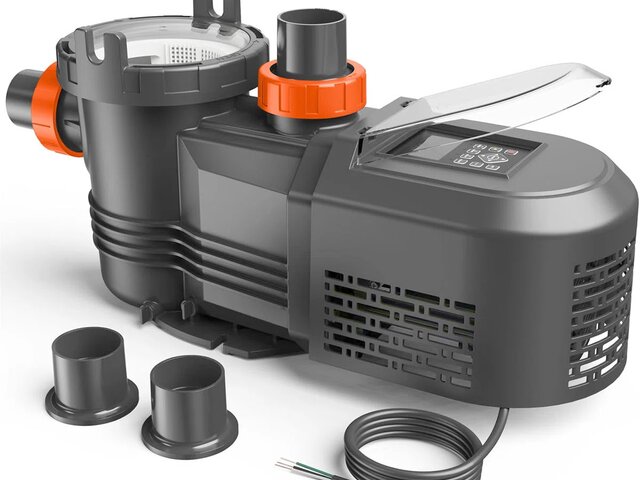
Start by turning off power to the pump at the circuit breaker. Remove the pump lid and pump basket, cleaning out any debris. Open the drain plugs on both the pump and filter - most pumps have drain plugs on the volute (the main pump housing). If your pump doesn't have drain plugs, you'll need to disconnect the plumbing unions to allow complete drainage.
For multiport valve filters, set the valve to "Winter" or "Closed" position if available, or remove the drain plug from the bottom of the valve. Cartridge filters should have their drain plug removed as well. DE filters require backwashing before winter shutdown and drain plug removal.
Removing All Water from Lines
Use a shop vacuum or air compressor to blow out remaining water from the pump housing, filter, and visible plumbing lines. Pay special attention to the pump's impeller housing - even small amounts of water here can cause expensive damage. Tilt the pump slightly if possible to help water drain from low spots.
For above-ground pools, disconnect the hoses from the pump and drain them completely. Store flexible hoses indoors if possible, as UV exposure and freeze-thaw cycles can degrade them over time.
Physical Protection Methods
Covering the Equipment
Invest in a quality pump cover or build a simple shelter to protect against snow, ice, and UV exposure. Waterproof pump covers with ventilation help prevent moisture buildup while keeping precipitation out. Avoid plastic tarps that can trap condensation - breathable covers work better.
For areas with heavy snow loads, consider building a simple wooden frame over the equipment pad to prevent snow accumulation on the pump housing. This prevents potential damage from melting and refreezing cycles.
Securing Loose Components
Store pump baskets, drain plugs, and pressure gauges indoors to prevent loss and freeze damage. Keep these small parts in a labeled container so you can find them easily in spring. Clean and inspect gaskets and O-rings before storage, replacing any that show wear.
Alternative Storage Options
Garage or Shed Storage
If you have space, bringing the pump indoors eliminates weather-related risks entirely. Modern pool pumps with union fittings can be disconnected relatively easily. This approach works well for smaller pumps and provides the ultimate protection against temperature extremes and UV damage.
When storing indoors, ensure the pump is completely drained and dry to prevent mold or corrosion issues. Store in a clean, dry area away from chemicals or corrosive materials.
Heated Enclosures
Some pool owners install small heaters in pump enclosures for year-round operation or minimal winterization. This approach works for pools used occasionally during winter or in climates with brief cold snaps. Use only heaters designed for outdoor use and ensure adequate ventilation.
Spring Startup Preparation
Proper winter storage makes spring startup much easier. Before reinstalling stored components, inspect all gaskets, O-rings, and seals for damage. Replace any questionable parts - it's much easier to do this during startup than after discovering leaks.
Check the pump impeller for damage and ensure it spins freely by hand. Look for any cracks in the pump housing or obvious damage from freezing. Prime the pump properly before starting, and check for leaks at all connection points.
Common Winter Storage Mistakes
Never assume all water has drained naturally. Pump housings often have low spots that trap water even when drain plugs are removed. Always use compressed air or a shop vacuum to remove residual water.
Avoid storing chemicals near the pump equipment, as temperature fluctuations can cause container leaks or chemical reactions. Keep winterizing plugs and small parts organized - losing a $2 drain plug can cause hundreds of dollars in freeze damage.
Don't rely solely on antifreeze products for freeze protection. While pool antifreeze can help, complete water removal is more reliable and doesn't require purchasing additional chemicals each season.
Still need help? Ask a Pool & Spa Expert AD
Get a personalized answer from PoolGuy810 — 30 years owning a pool and spa repair company. Describe your issue and get step-by-step help.
Related Pool Guides
Need More Help?
Try our free pool calculators and tools to help diagnose and fix your pool problems.
Browse Pool ToolsSLAM calculator, pH calculator, salt dosing & more