
Should You Cover Pool Equipment in Winter? Protection Guide

Winter equipment protection - skip the expensive pool store covers?
Read full question
After 8 years, my pool pump and filter system are developing rust spots — should I invest in winter covers or just replace everything? They're pushing these fancy insulated covers for my pump, heater, and control panel, but I feel like they're just trying to empty my wallet again.
Do I actually need to cover all my pool equipment for winter, or is this another one of their money grabs? If protection is really necessary, are there cheaper DIY alternatives that work just as well? I'm sick of spending a fortune on overpriced pool store solutions when there might be simple ways to winterize my equipment without breaking the bank.
Quick Answer
The step that actually prevents freeze damage is draining and blowing out all water from your pump, filter, and heater - not a cover. Covers are optional debris, snow, and UV protection, useful for some equipment but unnecessary for freeze protection and not recommended for heaters.
Before spending on covers, here's the honest answer to "cover or replace?": the step that actually prevents freeze damage is draining and blowing out all water from the pump, filter, and heater - and that's free. Covers are optional debris/snow/UV protection, and many pool pros deliberately leave equipment uncovered because a cover can trap moisture and speed up corrosion. A single-speed motor typically lasts about 9-10 years, so at 8 years with rust, it's worth weighing repair or replacement against buying more covers rather than assuming a cover will save it.
Equipment That Requires Winter Covering
Pool Pump and Motor
Your pool pump is one of the most expensive components and needs protection from freezing temperatures and moisture. Use a breathable pool pump cover or build a simple enclosure. Never use plastic sheeting directly against the motor as this traps moisture and can cause electrical issues. Ensure you've drained all water from the pump housing and pipes before covering.
Pool Heater
Gas and electric heaters require special attention. Remove the heater's drain plugs and ensure all water is drained from internal components. Do not cover the heater - major brands like Hayward and Raypak don't even make heater covers, and trapped moisture causes internal corrosion. Just drain it fully and keep the venting clear. For gas heaters, ensure the venting system remains unobstructed.
Control Panels and Automation Systems
Electronic control systems are particularly vulnerable to moisture and temperature fluctuations. Use weatherproof covers designed for electrical equipment, ensuring they're properly sealed but allow for air circulation. Many manufacturers offer specific winter covers for their control systems.
Equipment That Needs Special Consideration
Salt Water Chlorine Generators
Remove the salt cell and store it indoors in a dry location. The cell housing can be covered, but ensure it's completely drained first. Store the cell in a plastic bag with the manufacturer's storage cap if provided.
Variable Speed Pumps
These sophisticated pumps contain sensitive electronics that require extra protection. Use covers specifically designed for variable speed pumps that provide weather protection while allowing heat dissipation. Either keep the pump running with valves open (a recognized freeze-protection method) or fully drain it; avoid running antifreeze through the pump, which can damage the seal.
Backwash Valves and Multiport Valves
These components contain internal seals that can freeze and crack. After proper winterization (setting to winterize position), cover with breathable materials to protect from debris while allowing moisture to escape.
Proper Covering Techniques
Choose the Right Materials
Use purpose-made equipment covers when possible. For DIY solutions, use breathable materials like canvas tarps rather than plastic. Plastic can trap moisture and create more problems than it solves. Secure covers with bungee cords or tie-downs to prevent wind damage.
Maintain Air Circulation
All covered equipment needs some air circulation to prevent condensation. Leave small gaps at the bottom of covers or use vented covers. Completely sealed equipment is more likely to develop moisture problems and corrosion.
Protect Electrical Connections
Use waterproof wire nuts and electrical tape on any exposed connections. Consider installing weatherproof outlet covers and GFCI protection if not already present. Always turn off power at the breaker before making any electrical modifications.
Items You Shouldn't Cover Completely
Gas Lines and Meters
Never cover gas meters or main gas lines to your heater. These require access for emergency shutoff and leak detection. Mark their locations clearly for winter access.
Main Drains and Skimmers
While not equipment per se, don't completely seal these. They need to accommodate ice expansion. Use proper winterizing plugs instead of covers.
Regional Considerations
Mild Winter Climates
In areas where temperatures rarely drop below freezing, focus more on moisture and debris protection. Lighter covers and more ventilation are appropriate.
Harsh Winter Climates
In regions with severe winters, consider building permanent enclosures for equipment. Some pool owners construct small sheds or use heavy-duty equipment covers rated for snow loads.
Common Mistakes to Avoid
Don't use household tarps or plastic sheeting as permanent covers. These materials aren't designed for pool equipment and can cause more harm than good. Avoid covering equipment before it's properly winterized - trapped water will freeze and cause damage regardless of covering.
Don't forget about smaller items like automatic pool cleaners, which should be removed and stored indoors. Their hoses should be drained and stored in a coiled position to prevent cracking.
Spring Preparation
Plan your spring startup by documenting what you've covered and how. Take photos of your winter setup to help remember proper reassembly. Remove covers gradually during spring warm-up, checking for any moisture accumulation or pest intrusion.
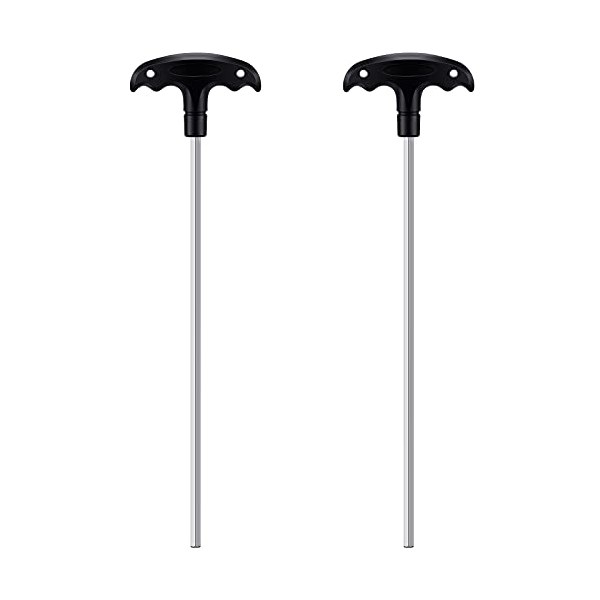 Pool Safety Cover Hex Key Tool (2-Pack)
Hex keys to install or remove a pool safety cover. View on Amazon →
Pool Safety Cover Hex Key Tool (2-Pack)
Hex keys to install or remove a pool safety cover. View on Amazon →
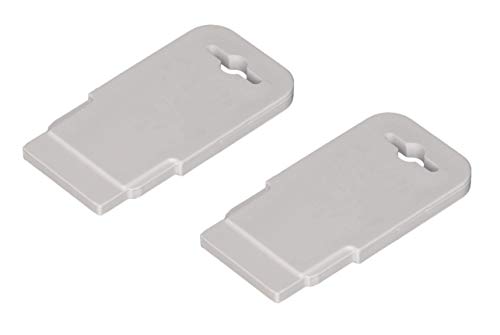 Pool Eyeball / Return Jet Fitting Removal Tool (ATIE)
Pops out & reseats Hayward SP1419 return-jet eyeballs — handy for closing. View on Amazon →
Pool Eyeball / Return Jet Fitting Removal Tool (ATIE)
Pops out & reseats Hayward SP1419 return-jet eyeballs — handy for closing. View on Amazon →
Still need help? Ask a Pool & Spa Expert AD
Get a personalized answer from PoolGuy810 — 30 years owning a pool and spa repair company. Describe your issue and get step-by-step help.
Related Pool Guides
Need More Help?
Try our free pool calculators and tools to help diagnose and fix your pool problems.
Browse Pool ToolsSLAM calculator, pH calculator, salt dosing & more