
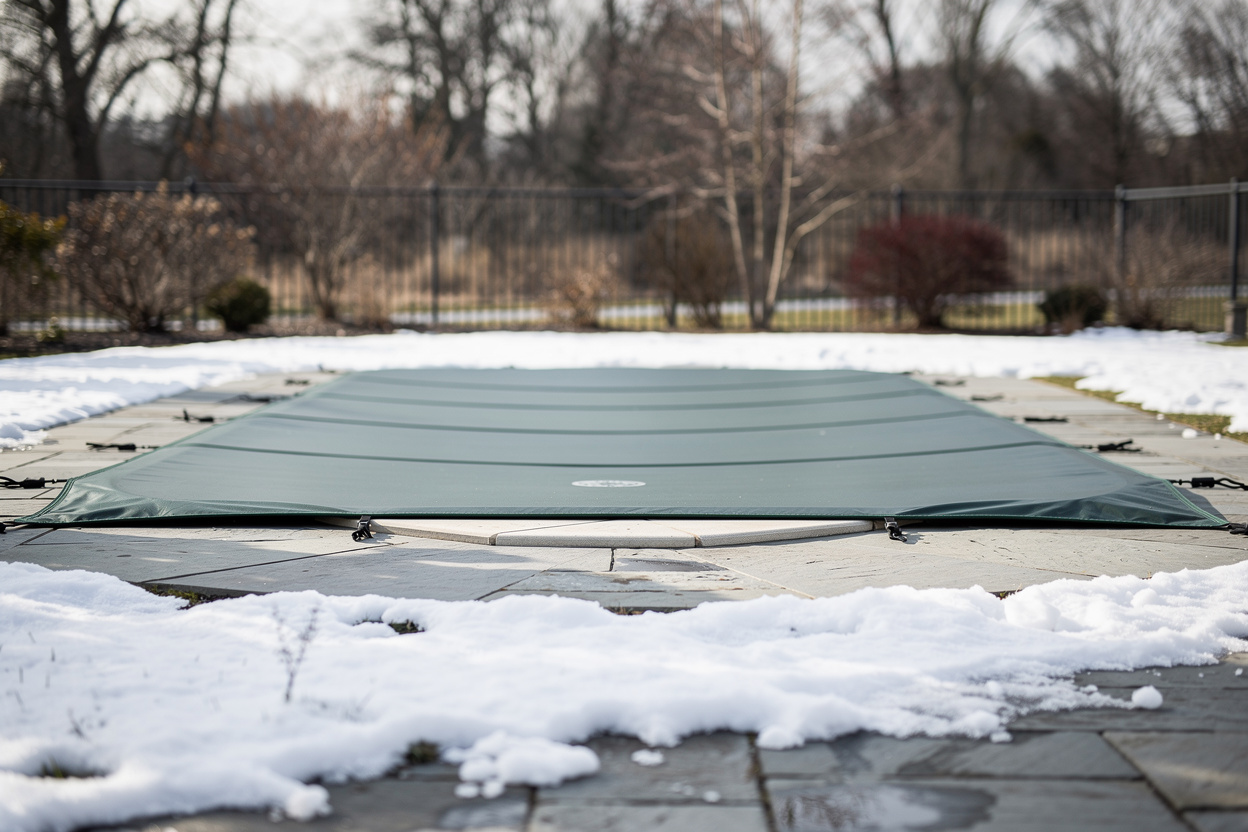
Do You Need to Cover Pool Equipment? Winterizing Guide

Should I cover my pool equipment for winter protection?
Read full question
Last winter I didn't cover anything and ended up with a cracked pump housing that cost me $400 to replace - apparently freeze damage is no joke.
This year I want to be smarter about it. I've got the usual setup - pump, heater, control panel, filter system. Do I really need to buy covers for all this equipment, or am I being paranoid? I keep reading conflicting advice online and I just want to protect my investment without going overboard on unnecessary gear.
Quick Answer
Covers help protect pool equipment from debris, UV exposure, and moisture, but they do NOT prevent freeze damage — that requires properly draining/winterizing the pump, filter, heater, and plumbing first. Cover the equipment once it is drained and dry. Key equipment like pumps, heaters, and control panels benefit most from protective covers.
Diagnosing Your Equipment Protection Needs
First, let's diagnose what equipment actually needs covering based on your specific situation. Not all pool equipment requires the same level of protection, and over-covering can sometimes create problems like trapped moisture or restricted ventilation.
Climate Assessment
Your climate determines the urgency of equipment protection. In regions where temperatures consistently stay below 32°F, the step that actually prevents freeze damage to pump housings, filter tanks, and plumbing is draining and winterizing the equipment (and adding pool antifreeze where appropriate)—a cover then keeps debris and moisture out but does not itself stop freezing. In moderate climates (32-50°F winters), covers protect against debris and extend equipment life. Even in warm climates, UV protection covers help prevent plastic degradation and electronic component failure.
Equipment Vulnerability Analysis
Examine each piece of equipment for vulnerability factors. Pool pumps with plastic housings are most susceptible to freeze cracking, while metal components face corrosion from moisture exposure. Variable speed pumps with electronic controls need protection from both temperature extremes and moisture. Salt water chlorine generators require special attention as salt residue attracts moisture and accelerates corrosion.
Equipment-Specific Covering Solutions
Pool Pumps
Pool pumps require the most critical protection during winter months. Use a pump cover that allows for ventilation while blocking direct moisture and debris. Covers designed to fit the Pentair IntelliFlo pump work best. Avoid completely sealed plastic bags that trap condensation – this creates more problems than protection. Position covers to shed water away from electrical connections while maintaining access to drain plugs.
Pool Heaters
Gas and electric pool heaters need specialized covers that accommodate venting requirements. Never block gas heater vents or air intake areas — doing so can cause incomplete combustion or carbon monoxide buildup, which is why only manufacturer-approved vented covers should be used. Use covers designed to fit the Hayward H-Series heater that protect the unit while maintaining proper ventilation. Heat pump covers should allow for ventilation to prevent moisture buildup in the compressor area while maintaining continuous protection.
Filter Systems
Sand, cartridge, and DE filters benefit from covers that protect the tank and valve assembly. Covers designed to fit the Pentair Clean & Clear filter provide excellent protection while allowing access to air relief valves. Ensure covers don't trap moisture around the multiport valve, which can cause internal seal damage during freeze-thaw cycles.
Automation and Control Systems
Pool automation panels like Pentair IntelliCenter or Jandy AquaLink systems require weatherproof covers even though they're designed for outdoor use. Use clear covers that allow LED display visibility while protecting control buttons and connection ports. Salt chlorine generators need covers that protect the cell housing while allowing periodic inspection access.
Proper Installation Techniques
Ventilation Considerations
When installing equipment covers, maintain proper ventilation to prevent condensation buildup. Leave small gaps at the bottom of covers to allow air circulation while blocking direct precipitation. Use covers with built-in vents or ventilation features.
Securing Methods
Secure covers using bungee cords, tie-downs, or manufacturer-provided fastening systems. Avoid over-tightening which can crack brittle winter plastic or damage equipment housing. Check cover security monthly during winter, as freeze-thaw cycles can loosen fasteners.
Access Maintenance
Design your covering system for easy access during winter maintenance periods. Use covers with removable panels for equipment that requires periodic operation or inspection. Label electrical disconnects and important valves before covering to maintain safety access during emergencies.
Timing Your Equipment Covering
Install equipment covers after completing your winterization process but before the first hard freeze. This timing allows for final equipment draining and antifreeze addition while ensuring protection before damaging weather arrives. Remove covers briefly during warm winter periods to inspect for moisture accumulation or pest intrusion.
Common Covering Mistakes to Avoid
Never use non-breathable plastic tarps directly against equipment – these trap moisture and accelerate corrosion. Avoid covering equipment that's still wet from winterization procedures, as trapped moisture freezes and expands, potentially cracking housings. Don't block emergency shut-off switches or gas shut-off valves that may need winter access.
Spring Cover Removal
Remove equipment covers gradually as temperatures stabilize above freezing. Inspect each piece of equipment for winter damage before startup, paying special attention to pump seals, heater connections, and filter tank integrity. Clean and store covers properly to extend their useful life for next winter's protection cycle.
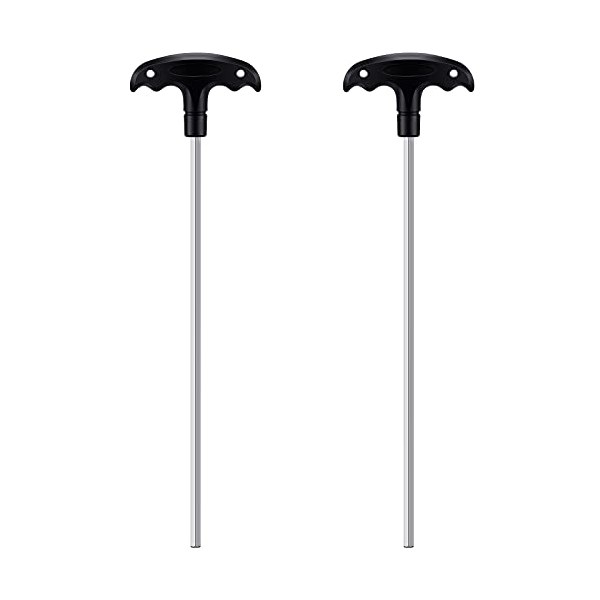 Pool Safety Cover Hex Key Tool (2-Pack)
Hex keys to install or remove a pool safety cover. View on Amazon →
Pool Safety Cover Hex Key Tool (2-Pack)
Hex keys to install or remove a pool safety cover. View on Amazon →
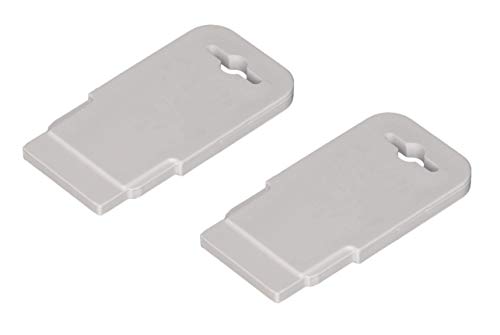 Pool Eyeball / Return Jet Fitting Removal Tool (ATIE)
Pops out & reseats Hayward SP1419 return-jet eyeballs — handy for closing. View on Amazon →
Pool Eyeball / Return Jet Fitting Removal Tool (ATIE)
Pops out & reseats Hayward SP1419 return-jet eyeballs — handy for closing. View on Amazon →
Still need help? Ask a Pool & Spa Expert AD
Get a personalized answer from PoolGuy810 — 30 years owning a pool and spa repair company. Describe your issue and get step-by-step help.
Related Pool Guides
Need More Help?
Try our free pool calculators and tools to help diagnose and fix your pool problems.
Browse Pool ToolsSLAM calculator, pH calculator, salt dosing & more