
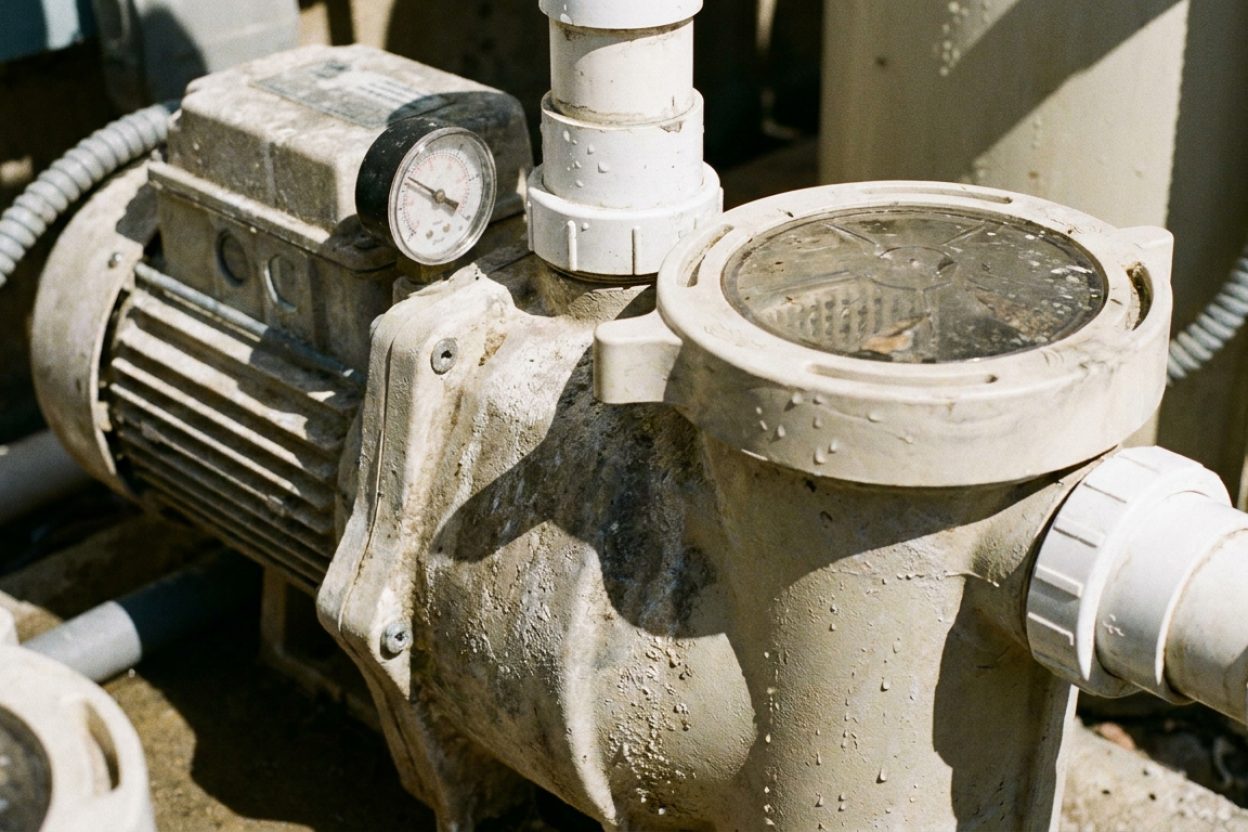
Should You Cover Your Pool Pump in Winter? Complete Guide

Do I need to cover my pool pump during winter months?
Read full question
According to my pool pump manual I should cover it for winter, but that completely contradicts what three different pool technicians have told me.
I've already done the basic winterization steps but I'm worried about leaving expensive equipment exposed to the elements for months. Should I be covering my pump or not? And if so, what kind of cover works best? I don't want to make a costly mistake here.
Quick Answer
Whether to cover a pool pump in winter depends on climate and pump type, but the step that actually prevents freeze damage is fully draining the pump and leaving the drain plugs out - not the cover. A loose, breathable cover is optional protection against snow piles and standing water; never wrap it tightly or in plastic, which traps moisture and corrodes the motor.
Your manual and your technicians aren't really in conflict - they're guarding against different things. The manual wants the pump shielded from snow piles and standing water; the techs are echoing the pro consensus that a tight or wrapped cover traps moisture and rusts the motor (pumps are built for outdoor use). Both reconcile to the same priority: the step that actually prevents freeze damage is fully draining the pump. A loose, breathable cover is optional; a snug or plastic one does more harm than good, and storing the motor indoors is ideal.
When Pool Pump Covering is Essential
Freezing Climate Requirements
If you live in an area where temperatures regularly drop below 32°F (0°C), covering your pool pump is crucial for several reasons:
- Moisture protection: Prevents condensation buildup inside the motor housing
- Debris protection: Keeps leaves, snow, and ice from accumulating on electrical components
- Temperature stability: Reduces rapid temperature fluctuations that can damage seals and gaskets
- UV protection: Prevents plastic components from becoming brittle during winter months
Variable Climate Considerations
In regions with occasional freezing (zones 8-9), covering becomes even more important because:
- Unexpected freeze events can catch unprepared equipment
- Moisture from rain followed by freezing creates particularly damaging conditions
- Equipment isn't designed for constant freeze-thaw cycles without protection
Complete Winter Pump Covering Process
Step 1: Proper Winterization First
Critical: Never simply cover a pump without proper winterization. This creates a false sense of security and can lead to catastrophic freeze damage.
- Turn off power at the breaker and remove pump timer trippers
- Disconnect unions and drain plugs to remove all water from pump housing
- Remove pump basket and clean thoroughly
- Use a shop vacuum to remove any remaining water from volute and impeller housing
- Leave the drain plugs out for the winter (store them in the pump basket) so any trapped moisture can escape, and reinstall them at spring startup
Step 2: Choose the Right Cover Type
Select a cover material based on your specific needs:
- Breathable fabric covers: Best for most climates, prevents condensation while blocking debris
- Vinyl covers with vents: Good waterproofing with controlled airflow
- Custom-fitted covers: Ideal for expensive variable-speed pumps
- Avoid plastic tarps: These trap moisture and can cause more harm than protection
Step 3: Proper Installation Technique
- Ensure pump is completely dry before covering
- Install cover loosely to allow air circulation
- Secure with bungee cords or straps, avoiding over-tightening
- Check that electrical connections remain accessible for maintenance
- Verify cover doesn't create water collection points
Regional Guidelines and Exceptions
Cold Climate Requirements (Zones 3-6)
In consistently freezing climates, draining is mandatory and indoor motor storage is ideal, while covering itself is optional:
- Use heavy-duty, UV-resistant covers rated for your temperature range
- Consider pump removal and indoor storage for above-ground pools
- Install covers by early November, before first hard freeze
- Check monthly for damage or moisture accumulation
Moderate Climate Recommendations (Zones 7-8)
Covering provides insurance against unexpected weather:
- Lightweight breathable covers are sufficient
- Focus on debris protection and UV prevention
- Monitor weather forecasts for surprise freeze warnings
- Keep winterization supplies readily available
Warm Climate Considerations (Zones 9-11)
Even in warm climates, seasonal covering offers benefits:
- Protection during infrequent cold snaps
- Reduced cleaning and maintenance needs
- Extended equipment lifespan through UV protection
- Debris protection during storm seasons
Common Covering Mistakes to Avoid
Moisture Trapping Errors
Never use non-breathable plastic covers that create condensation. This leads to:
- Corrosion of electrical connections
- Motor bearing damage from moisture infiltration
- Mold and mildew growth in enclosed spaces
- Accelerated deterioration of rubber seals and gaskets
Incomplete Winterization
The biggest mistake is covering a pump that hasn't been properly drained. Water left in the system will:
- Freeze and crack the volute housing
- Damage impeller and diffuser components
- Destroy mechanical seals
- Create thousands of dollars in repair costs
Maintenance During Winter Coverage
Monthly Inspection Routine
- Check cover integrity and security
- Look for signs of moisture accumulation
- Verify no pest intrusion has occurred
- Ensure drain plugs remain properly positioned
- Document any changes in equipment condition
Mid-Winter Adjustments
After major storms or temperature swings:
- Remove any snow or ice accumulation
- Retighten securing straps if needed
- Check for wind damage to cover material
- Verify electrical panel covers remain secure
Spring Removal and Startup
When removing winter covers:
- Inspect pump housing for any signs of moisture damage
- Clean and reinstall drain plugs with fresh thread sealant
- Replace pump basket and prime system properly
- Test all electrical connections before startup
- Run system and check for leaks before full operation
Remember: A quality pump cover is inexpensive insurance compared to replacing a damaged pump. When in doubt, always err on the side of protection, especially in climates where freezing is possible.
Still need help? Ask a Pool & Spa Expert AD
Get a personalized answer from PoolGuy810 — 30 years owning a pool and spa repair company. Describe your issue and get step-by-step help.
Related Pool Guides
Need More Help?
Try our free pool calculators and tools to help diagnose and fix your pool problems.
Browse Pool ToolsSLAM calculator, pH calculator, salt dosing & more