How Long Are Pools Open in Texas? Swimming Season Guide
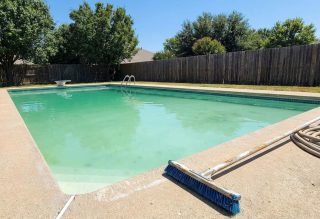
Most Texas pools operate 8-10 months per year (March through November) due to the warm climate. With proper heating systems, many pools can stay open year-round in most Texas regions.
Yes, you can install an above ground pool liner yourself with the right tools and patience. The process typically takes 4-6 hours and requires 2-3 people for best results.
Yes, above ground pools absolutely need a liner to hold water and protect the pool structure. The liner creates a waterproof barrier and should be replaced every 5-9 years depending on usage and maintenance.
Yes, fiberglass pools can leak through gel coat cracks, plumbing connections, or structural damage. Most leaks are repairable with proper patching compounds and techniques.
Pool algae forms when microscopic spores enter your water and find ideal conditions: sunlight, nutrients (like phosphates), warm temperatures, and unbalanced water chemistry with insufficient chlorine levels.
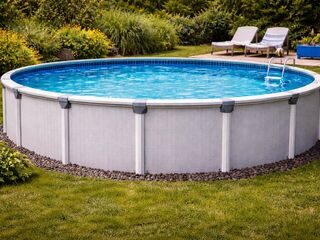
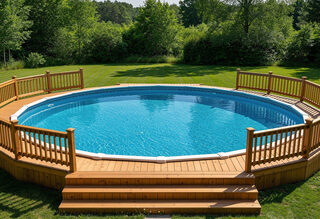
Sand is not always required under above ground pools, but it provides excellent leveling and protection. Pool pads, foam boards, or crushed stone can also work depending on your ground conditions.
Yes, pool liners can be repaired using underwater patch kits for small holes and tears, or professional replacement for major damage. Most repairs can be done while the pool is full of water.
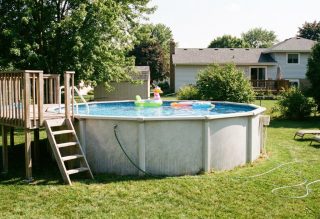
Yes, you can absolutely install an above ground pool yourself - most homeowners complete the installation in 1-3 days with basic tools and 2-3 helpers. The key is proper ground preparation and following manufacturer instructions carefully.
You can paint certain types of pool liners, but only fiberglass and concrete liners should be painted. Vinyl liners cannot be successfully painted and painting them will void warranties and cause peeling.
Yes, pool liners can be patched using vinyl repair kits. Small holes and tears can be fixed underwater with adhesive patches, while larger damage may require draining and dry patching for best results.
Yes, you absolutely need a pool liner pad for your above ground pool. It protects the liner from punctures, provides cushioning, and extends the liner's lifespan significantly.
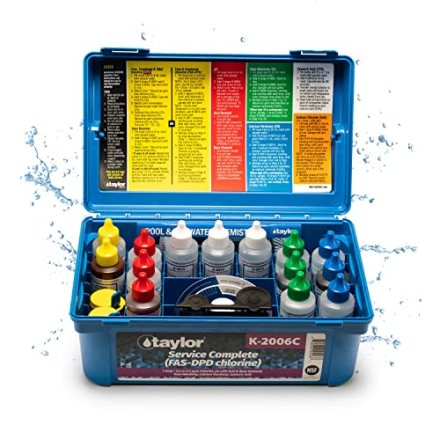
Yes, pool chlorine can make you itchy, but it's usually not the free chlorine itself causing the problem. Combined chlorine (chloramines) and improper water chemistry are the main culprits that create skin irritation.
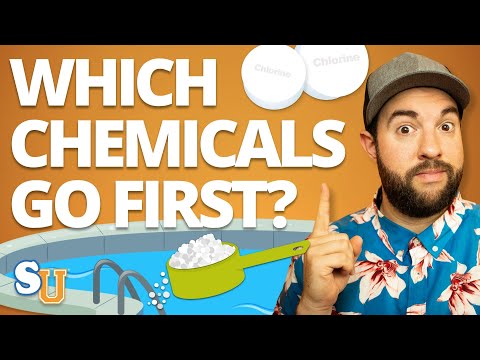
Yes, you can store pool chemicals in an outdoor shed with proper ventilation, temperature control, and separation. Maintain temperatures below 95°F and ensure adequate airflow to prevent dangerous chemical reactions and degradation.
You should never fully bury a standard above ground pool as it's not engineered to handle soil pressure and can collapse or fail catastrophically. However, semi-inground installation is possible with proper reinforcement and specific pool models designed for this purpose.
Pool stabilizer (cyanuric acid/CYA) does not evaporate from your pool water. Unlike chlorine, stabilizer remains in the water indefinitely and can only be removed through dilution, backwashing, or complete water replacement.