
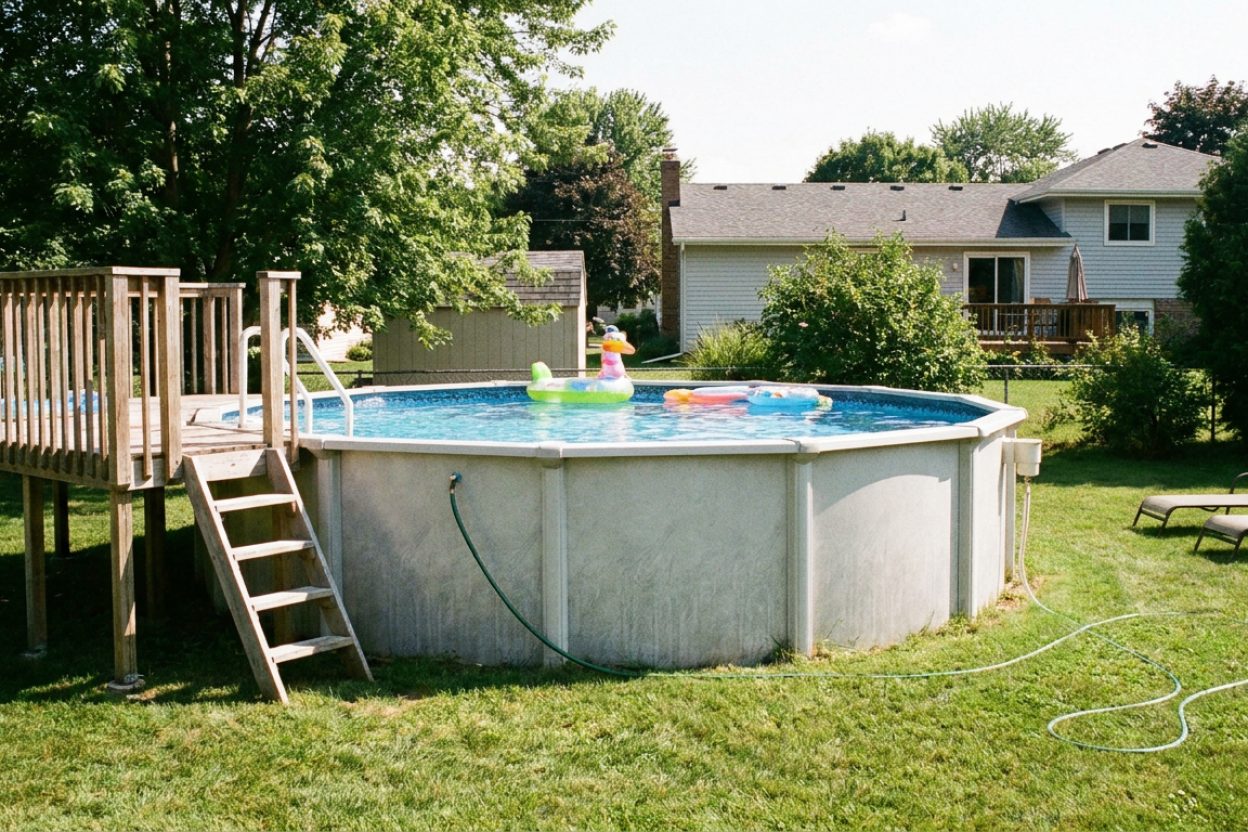
Do I Need a Pool Liner Pad? Above Ground Pool Guide

Do I really need a pool liner pad for my above ground pool?
Read full question
Since setting up my new 24-foot Intex above ground pool, I can't figure out if the liner pad is actually necessary or just another upsell. The pool company keeps pushing this liner pad thing on me, saying it's "essential" - but is it really? I've already blown through way more money than I budgeted for this project.
I'm hoping someone can give me the straight truth here. Will skipping the liner pad come back to bite me later? I'd rather spend the money upfront if it actually protects my investment, but I don't want to get taken for a ride on unnecessary add-ons either.
Quick Answer
A pool liner pad is strongly recommended for nearly all above ground pools, with only a few limited exceptions. It protects the liner from punctures, provides cushioning, and extends the liner's lifespan significantly.
Why Pool Liner Pads Are Essential
Above ground pool liners are typically only 20-28 mil thick (about the thickness of a heavy garbage bag), making them vulnerable to damage from rocks, roots, insects, and ground irregularities. Without proper protection, even the smallest pebble or twig can cause a costly puncture that leads to water loss and expensive repairs.
The pad serves multiple critical functions beyond just puncture protection. It provides thermal insulation that helps maintain water temperature, creates a more comfortable walking surface, and acts as a barrier against ground moisture that can cause premature liner deterioration.
Types of Pool Liner Pads
Geotextile Pads
Woven and nonwoven geotextile pads like Gorilla Pad (Blue Wave) or Armor Shield (GLI) are the current standard and have largely replaced foam. They resist punctures from rocks and roots, usually come pre-cut as a single piece, and don't break down the way foam can. They cost more initially but offer the best long-term protection.
Foam Pads
Closed-cell foam pads provide cushioning underfoot and some thermal insulation, typically in 1/8-inch to 1/4-inch thickness. They're a workable option, but sharp rocks and roots can cut them over time, which is why many installers now prefer geotextile.
Felt Pads
Pool felt pads are a more budget-friendly option made from recycled materials. While not as durable as foam, they still provide adequate protection for most installations. They work particularly well when combined with sand base preparation.
Alternative Materials
Some pool owners consider alternatives like old carpet padding, newspaper, or cardboard. Avoid these materials as they can decompose, attract insects, or contain chemicals that may damage your liner over time.
Installation Considerations
Ground Preparation
Before installing any pad, ensure your ground is properly leveled and cleared of debris. Remove all rocks, sticks, roots, and sharp objects within the pool area plus an additional 1-foot perimeter. Fill any low spots with mason sand and compact thoroughly.
Pad Sizing
Your liner pad should extend slightly beyond your pool's footprint. For a round pool, choose a pad that's 6-12 inches larger in diameter than your pool. For oval pools, add 1 foot to both length and width measurements.
Seaming and Overlap
Geotextile pads typically come pre-cut as a single piece, so no seaming is needed. If you're piecing together foam, overlap seams by at least 6 inches and tape with special pool pad tape, keeping all seams smooth with no raised edges that could create pressure points on your liner.
If You Have an Intex or Other Soft-Sided Pool
Many Intex and similar inflatable or metal-frame pools come with a thin ground cloth (often included, or roughly $25-60 to buy). Unlike a traditional above ground pool, these pools don't have a separately replaceable floor liner — the walls and bottom are one welded unit — so the "replace the liner" cost math below doesn't really apply to them. A pad still helps: laying a foam or geotextile pad (or even a heavy tarp) under the included ground cloth adds puncture protection and comfort, which matters because a punctured Intex pool usually means replacing the whole pool.
Cost vs. Benefit Analysis
While a quality liner pad may cost $200-600 depending on your pool size, consider that a replacement liner typically costs $300-800 plus installation labor. The pad essentially pays for itself by preventing just one puncture repair, which can cost $200-400 when you factor in water loss, chemicals, and potential professional repair fees.
When You Might Skip a Pad
The only scenarios where you might consider forgoing a liner pad are temporary installations lasting less than one season, or if you're installing over a perfect concrete slab. However, even with concrete, a thin pad provides comfort and thermal benefits that most pool owners appreciate.
Maintenance and Longevity
Quality liner pads can last 15-20 years or more with proper installation. They require no maintenance once installed and will likely outlast multiple liner replacements. This makes them one of the most cost-effective pool accessories you can purchase.
Professional Installation vs. DIY
Installing a liner pad is typically a DIY-friendly project that can be completed in 2-4 hours. However, if you're having your entire pool professionally installed, including the pad in the installation package often costs less than purchasing and installing it separately.
Bottom line: A pool liner pad is not just recommended—it's essential for protecting your investment and ensuring years of trouble-free pool enjoyment. The relatively small upfront cost prevents much larger expenses down the road and significantly improves your pool experience.
Still need help? Ask a Pool & Spa Expert AD
Get a personalized answer from PoolGuy810 — 30 years owning a pool and spa repair company. Describe your issue and get step-by-step help.
Related Pool Guides
Need More Help?
Try our free pool calculators and tools to help diagnose and fix your pool problems.
Browse Pool ToolsSLAM calculator, pH calculator, salt dosing & more