
Can Fiberglass Pools Leak? Yes - Here's How to Fix It

Do fiberglass pools actually leak? Mine might be losing water
Read full question
Looked like just a minor water drop in my fiberglass pool last month but now it's become a massive leak draining faster than any evaporation. I've heard people say fiberglass pools don't leak like other types, but that can't be true, right?
I'm wondering if there are common spots where fiberglass pools develop leaks? I'm hoping this is something that can actually be fixed without having to tear the whole thing apart. Has anyone dealt with this before and found a solution that actually works?
Quick Answer
Yes, fiberglass pools can leak through gel coat cracks, plumbing connections, or structural damage. Most leaks are repairable with proper patching compounds and techniques.
Common Fiberglass Pool Leak Sources
Unlike concrete pools that can develop leaks anywhere in the structure, fiberglass pools have specific vulnerable areas where leaks typically occur:
- Gel coat spider cracks: These hairline surface cracks develop from settling, temperature changes, or impact damage
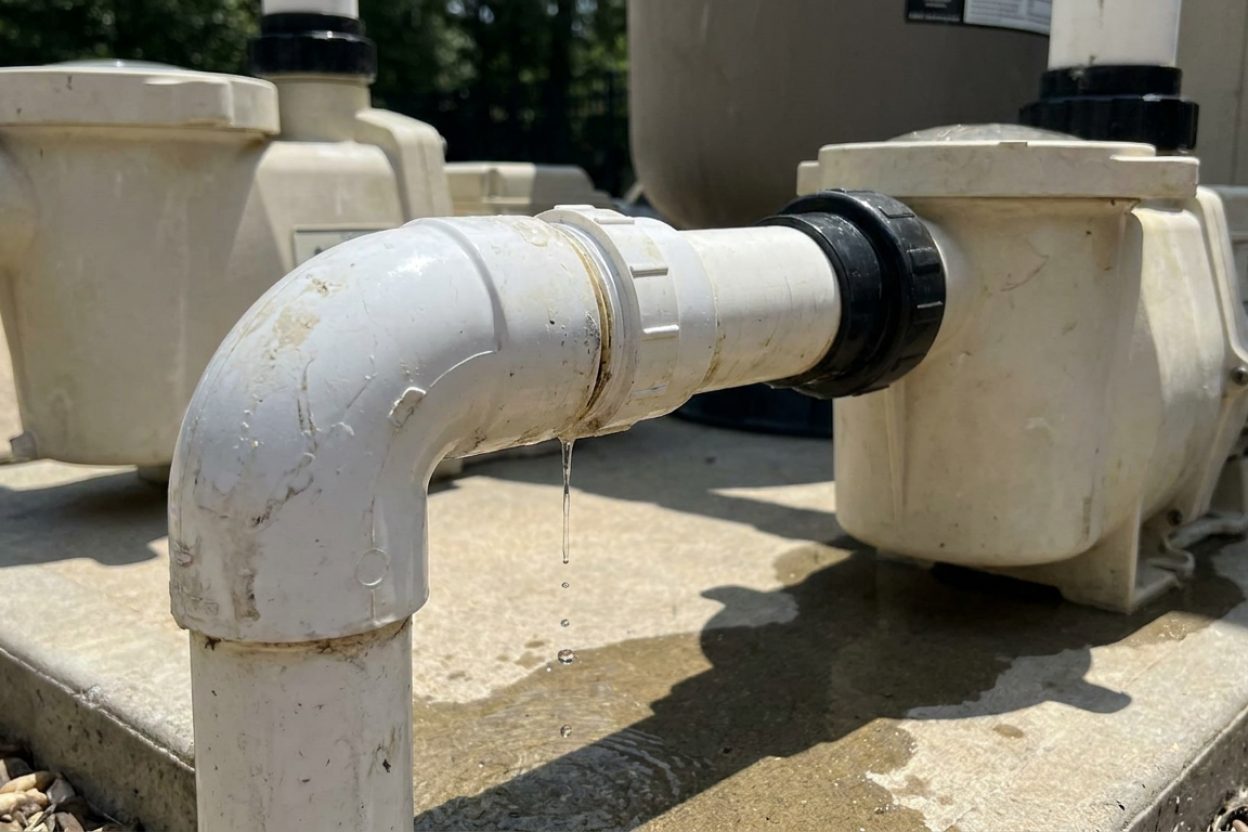
- Plumbing penetrations: Where skimmers, returns, and main drains connect to the shell
- Step attachments: The bond between molded steps and the main shell can fail over time
- Transportation stress points: Areas that may have been stressed during delivery and installation
- Ground movement: Shifting soil can create pressure points that crack the fiberglass
Quick Leak Detection Methods
Before calling a professional, try these immediate detection techniques:
- Bucket test: Place a bucket filled with pool water on the pool step. Mark water levels inside bucket and pool. After 24 hours, if pool level drops more than bucket level, you have a leak
- Dye test: Use food coloring near suspected crack areas while pool is calm. Dye will be drawn toward active leaks
- Pressure test plumbing: Have skimmer and return lines pressure tested by a pool professional
- Visual inspection: Look for obvious cracks, especially around fittings and in corners
Immediate Repair Solutions
Surface Gel Coat Cracks
For small surface cracks, you can perform temporary repairs while planning permanent fixes:
- Drain pool below crack level - This is essential for proper repair adhesion. WARNING: Check groundwater levels first - high groundwater can cause pool flotation and structural damage during draining
- Clean and prep the area - Use pH neutral cleaner and let dry completely
- Apply marine epoxy putty - Products like JB Weld WaterWeld or Aquastik work well for emergency repairs
- Sand smooth when cured - Use 220-grit sandpaper for best results
- Apply gel coat patch kit - Match your pool's color as closely as possible
Plumbing Connection Leaks
These require more involved repairs but are still manageable:
- Identify the leaking fitting - Usually skimmer throat, return jets, or main drain
- Excavate behind the fitting - You'll need access to the back side of the shell. Call 811 to locate utilities first and support pool structure during excavation
- Clean and dry thoroughly - Any moisture will prevent proper adhesion
- Apply structural fiberglass repair - Use chopped strand mat with epoxy or vinylester resin — these bond better and resist water immersion better than general-purpose polyester (pool shells are typically vinylester or isophthalic polyester)
- Seal with marine sealant - 3M 5200 or similar polyurethane sealant works best
Professional vs DIY Repairs
DIY Appropriate: Small surface cracks under 6 inches, minor gel coat chips, simple fitting adjustments
Professional Required: Structural cracks, multiple leak points, cracks that return after repair, any crack wider than 1/8 inch
Prevention Strategies
Most fiberglass pool leaks are preventable with proper maintenance:
- Maintain proper water chemistry: Keep pH between 7.4-7.6, alkalinity 80-120 ppm, calcium hardness 175-225 ppm (calcium is essentially optional on a fiberglass surface unless you have a gas heater or waterline tile)
- Avoid harsh chemicals: Never add trichlor directly to fiberglass surfaces
- Monitor ground conditions: Ensure proper drainage around pool to prevent soil shifting
- Regular inspections: Check for new cracks during weekly maintenance
- Professional gel coat maintenance: Reapply protective gel coat every 10-15 years
Cost Expectations
Repair costs vary significantly based on leak location and severity:
- DIY gel coat repair: $50-150 in materials
- Professional surface crack repair: $300-800
- Plumbing connection repair: $500-1,500
- Major structural repair: $2,000-5,000
- Complete resurfacing: $8,000-15,000
When to Consider Pool Replacement
While fiberglass pools are generally repairable, consider replacement if:
- Multiple structural cracks appear repeatedly
- Repair costs exceed 30% of replacement value
- Pool is over 25 years old with recurring issues
- Ground instability continues causing new damage
Safety Warning: Always turn off electrical equipment before working near pool water. Drain pool safely to avoid hydrostatic pressure issues - check groundwater levels before draining as high groundwater can cause pool flotation. Install hydrostatic relief valves if groundwater is present.
Still need help? Ask a Pool & Spa Expert AD
Get a personalized answer from PoolGuy810 — 30 years owning a pool and spa repair company. Describe your issue and get step-by-step help.
Need More Help?
Try our free pool calculators and tools to help diagnose and fix your pool problems.
Browse Pool ToolsSLAM calculator, pH calculator, salt dosing & more