Can You Run a Pool Pump on Extension Cord? Safety Guide
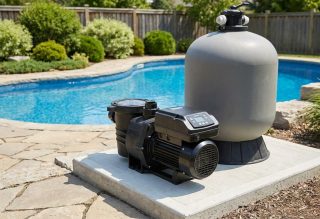
Running a pool pump off an extension cord is extremely dangerous and not recommended. Pool pumps require dedicated electrical circuits with GFCI protection for safety.
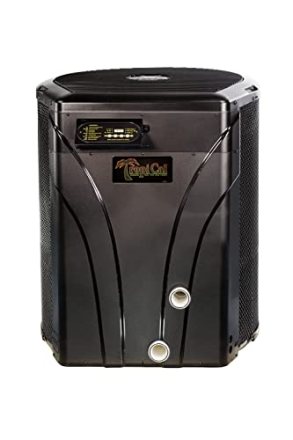
Pool heaters and pumps should never be on the same circuit due to high amperage requirements that would overload the circuit and create safety hazards.
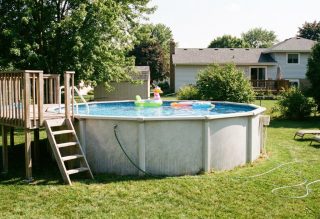
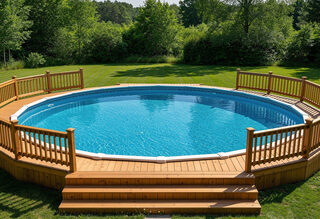
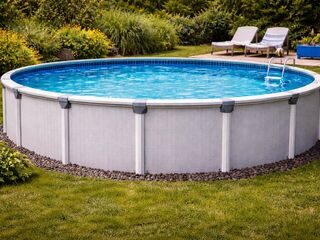
Above ground pools typically range from 48 to 54 inches deep, with 52 inches being the most popular choice. The depth you choose depends on your family's swimming needs and safety requirements.
In most areas, you legally need a pool fence if your pool is 18+ inches deep. Pool fences must be at least 4 feet high with self-closing, self-latching gates to prevent accidental drowning, especially for children.
In Florida, above ground pools typically require permits if they hold more than 5,000 gallons of water or are deeper than 24 inches. Requirements vary by county, so check with your local building department before installation.
Most states don't require a license for basic pool cleaning services, but commercial pool service businesses may need business licenses or permits. Chemical handling and pool maintenance involving equipment repairs often have additional requirements.
Yes, you need a building permit for swimming pools in the Philippines, regardless of size or type. The process involves submitting plans to your local government unit (LGU), paying fees, and obtaining approval before construction begins.
Above ground pools should typically be at least 10 feet from your house, though local building codes may require 15-25 feet. Check with your local building department for specific setback requirements in your area.
Inground pool costs range from $35,000-$100,000+ depending on size, materials, and features. Concrete pools are most expensive ($50,000-$100,000), vinyl liner pools are mid-range ($35,000-$65,000), and fiberglass pools fall in between ($40,000-$85,000).
Pool liners can sometimes be reused if they're in good condition, less than 5 years old, and removed carefully without tears or significant stretching. However, reusing liners carries risks and often isn't cost-effective.
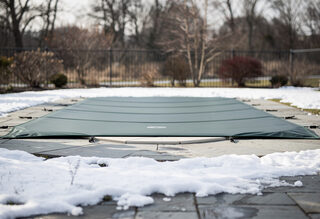
Pool covers cannot replace safety fences in most jurisdictions. Safety covers must meet ASTM standards and be automatic, but local codes typically require permanent barriers like fences around pools.
Yes, you typically need insurance coverage for above ground pools through your homeowners policy. Most insurers require notification and may adjust premiums based on pool size, depth, and safety features installed.
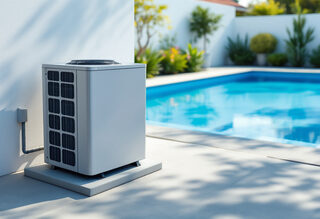
You can install some pool heaters yourself, but it depends on the type and your local codes. Electric and solar heaters are more DIY-friendly, while gas heaters typically require professional installation due to gas line connections.
Yes, you can absolutely run your pool pump at night. In fact, nighttime operation often saves money on electricity costs and reduces chlorine loss from UV exposure.
Standard pool tables come in three main sizes: 7-foot bar tables (39" x 78"), 8-foot home tables (44" x 88"), and 9-foot tournament tables (50" x 100"). Choose based on your room size and skill level.