
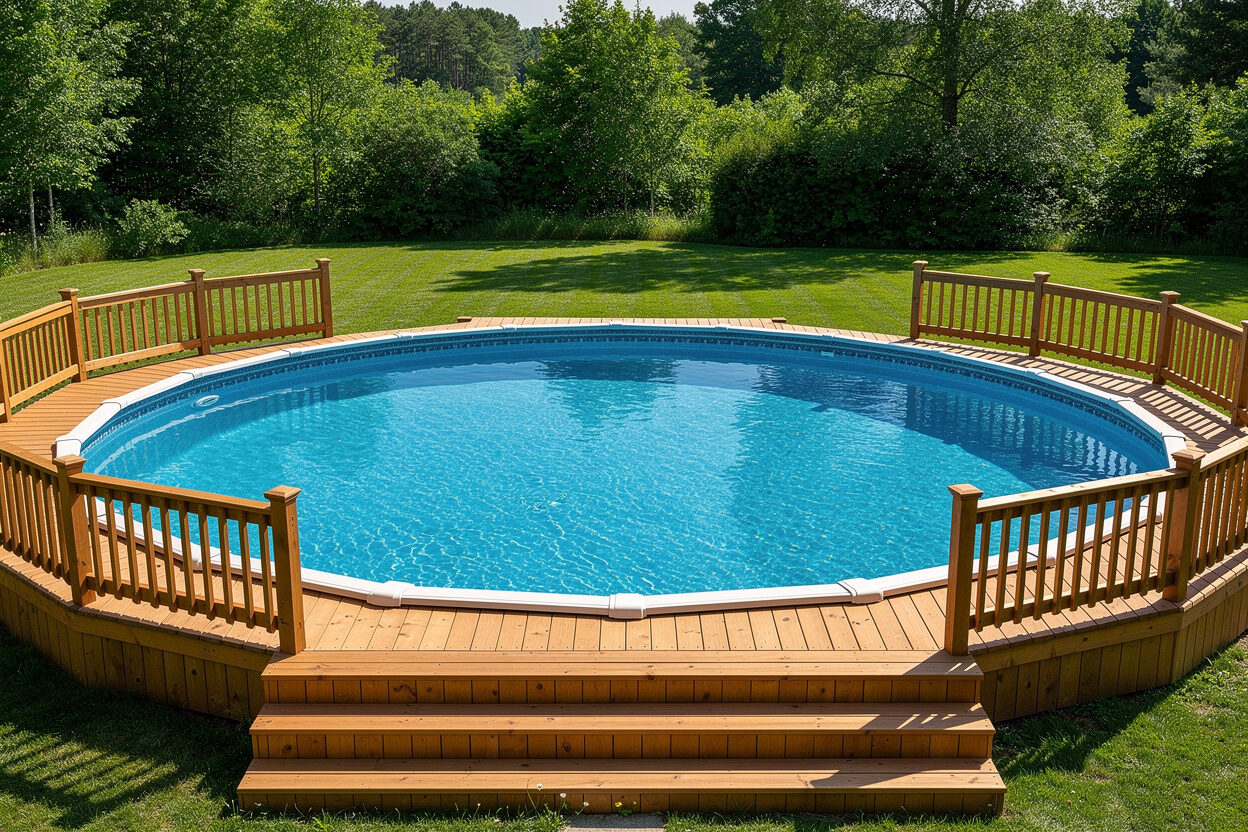
How Far Should Pool Be From Septic Tank? Safe Distance

Minimum distance between above ground pool and septic system?
Read full question
This weekend I mapped out the ideal location for my new above ground pool, but now I'm wondering if I positioned it too close to the septic system. I want to avoid any expensive problems down the road - don't want to damage the septic or have to move the pool later. Is there a minimum safe distance I should maintain? Also wondering if I need to get permits or have someone come out to mark the septic lines before I start digging, or if this is something I can figure out myself to save on costs.
Quick Answer
Above ground pools should be placed at least 10-15 feet from septic tanks and 15-25 feet from drain fields, depending on local codes. Always check with your local health department and call 811 for utility marking before installation.
Understanding Septic System Setback Requirements
First thing to check: your local setback requirements for septic systems. A setback violation is one of the most common reasons a pool project gets stopped, so confirm the requirement first. Setback requirements vary by location, but many areas require minimum distances between pools and septic tanks, with drain fields typically requiring larger setback distances. Check with your local health department for specific requirements in your area.
These setback requirements exist for several important reasons. Pool excavation can damage septic lines, pool chemicals can interfere with the biological processes in your septic system, and heavy pool equipment can compact soil over drain fields, reducing their effectiveness.
What Commonly Goes Wrong
Many pool owners discover setback violations only after installation, leading to expensive remediation. The most frequent issues include accidentally puncturing septic lines during excavation, placing pools too close to drain fields and causing soil compaction, and creating drainage problems where pool backwash flows toward septic areas.
Pool installations that violate septic setbacks often face enforcement action from health departments, which can require costly pool relocation or septic system repairs. This is why getting the placement right from the start saves significant money and headaches.
Getting Your Property Mapped
Before you commit to any pool location, you'll want to know exactly where your septic components are located. Start by calling 811 (the national "Call Before You Dig" service) at least 2-3 business days before any excavation. This free service will mark public utilities, but septic systems are usually private and won't be marked.
For septic system location, check your property records or contact the local health department - they often have septic permit records showing the system layout. If records aren't available, you may need to hire a septic professional to locate the system, but this investment typically pays for itself by avoiding damage during installation.
Local Regulations and Permits
Setback distances vary widely by jurisdiction - verify specific requirements with your local health department or building department.
Many areas require permits for above ground pool installation, and the permit process will catch septic setback violations before installation. Even if permits aren't required, I'd recommend checking with local authorities to confirm you're meeting all setback requirements.
Planning Your Pool Placement
Start by sketching your property and marking all known septic components, then apply your local setback requirements to see what areas remain available. Remember that drain fields are typically the largest constraint - drain field sizes vary considerably and require substantial setback distances.
Consider future septic maintenance needs as well. Septic tanks require periodic pumping, and repair work may require excavator access. Placing your pool too close can complicate these essential maintenance activities.
Alternative Solutions for Tight Spaces
If setback requirements severely limit your pool placement options, consider smaller pool sizes or alternative shapes that work better with your available space. Some pool owners explore relocating septic system components, but this is typically expensive and requires extensive permitting.
In cases where standard placement won't work, consult with both pool installation professionals and septic engineers to explore options like protective barriers or modified installation techniques that might satisfy local requirements while maximizing your usable space.
Still need help? Ask a Pool & Spa Expert AD
Get a personalized answer from PoolGuy810 — 30 years owning a pool and spa repair company. Describe your issue and get step-by-step help.
Related Pool Guides
Need More Help?
Try our free pool calculators and tools to help diagnose and fix your pool problems.
Browse Pool ToolsSLAM calculator, pH calculator, salt dosing & more