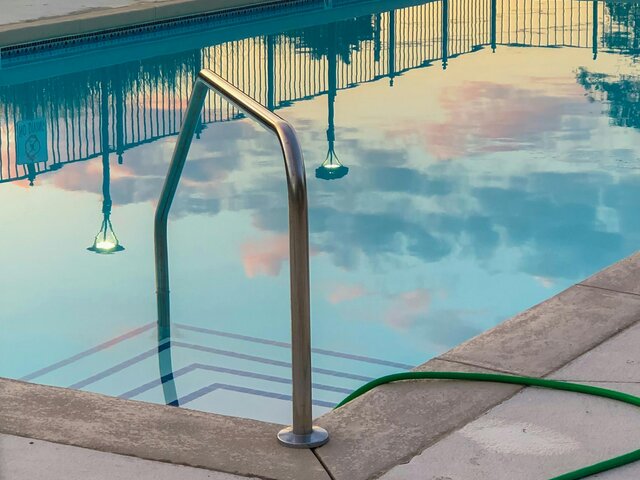
How Long Are Pools Open in Texas? Swimming Season Guide
Most Texas pools operate 8-10 months per year (March through November) due to the warm climate. With proper heating systems, many pools can stay open year-round in most Texas regions.
It appears you may have asked about airline miles by mistake when looking for pool maintenance help. This comprehensive guide covers common pool issues and maintenance procedures to get your pool water crystal clear and properly balanced.
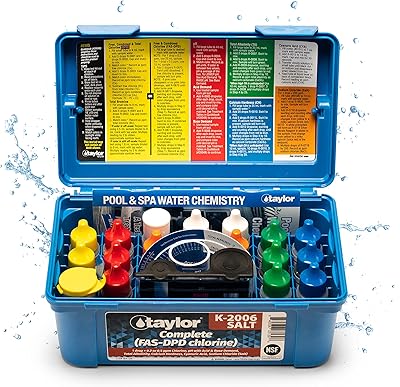
Pool algae can cause skin rashes, irritation, and other health issues through direct contact or by creating conditions that harbor harmful bacteria. The key is eliminating algae through proper SLAM treatment and maintaining balanced water chemistry.
Above ground pools typically range from 48 to 54 inches deep, with 52 inches being the most popular choice. The depth you choose depends on your family's swimming needs and safety requirements.
Most pool owners do need a pool vacuum for thorough cleaning, but the type depends on your pool size, debris load, and maintenance preferences. Manual vacuums work for small pools with light debris, while automatic cleaners are essential for larger pools or heavy leaf loads.
Above ground pool installation requires proper site preparation, level ground, and careful assembly of walls, liner, and equipment. Most installations take 6-12 hours with proper planning and tools.
Most pools don't need phosphate remover if you maintain proper chlorine levels. Only consider phosphate removal if you have persistent algae problems despite balanced water chemistry and proper sanitizer levels.
Salt water pools are not self-cleaning and require regular maintenance including proper water chemistry balance, algae prevention, and equipment upkeep. The salt water generator only produces chlorine automatically but doesn't eliminate the need for active pool care.
You can shock your pool without running the filter system, but you must ensure proper circulation through brushing and the return jets. The filter doesn't need to be running, but water movement is essential for even chemical distribution.
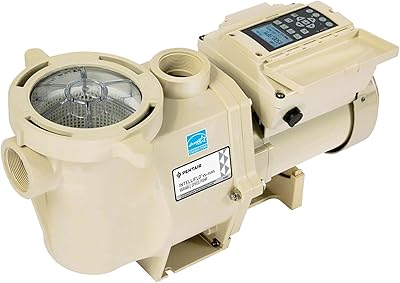
Yes, diatomaceous earth (DE) pool filters require regular backwashing, typically every 4-6 weeks or when the pressure gauge reads 8-10 PSI above the clean starting pressure. After backwashing, you must add fresh DE powder to recharge the filter.
Clear cloudy pool water by first testing chemistry levels, then shocking to proper FC/CYA ratio, running filtration 24/7, and using clarifier if needed. Most cases resolve within 24-48 hours with proper chlorine levels.
Cloudy pool water doesn't necessarily mean algae - it can be caused by poor filtration, chemical imbalances, or early algae growth. Proper testing and diagnosis will reveal the true cause.
Yes, you absolutely need to clean your pool before closing it for winter. Proper cleaning prevents algae growth, equipment damage, and costly spring reopening issues.
Used pool filter sand can be used in gardens after thorough cleaning and testing, but it may contain chlorine residue and accumulated contaminants that could affect plant growth.
Pool filter sand should not be used in aquariums as it contains sharp edges, chemical treatments, and lacks the proper grain size for fish safety. Use aquarium-specific sand instead.