
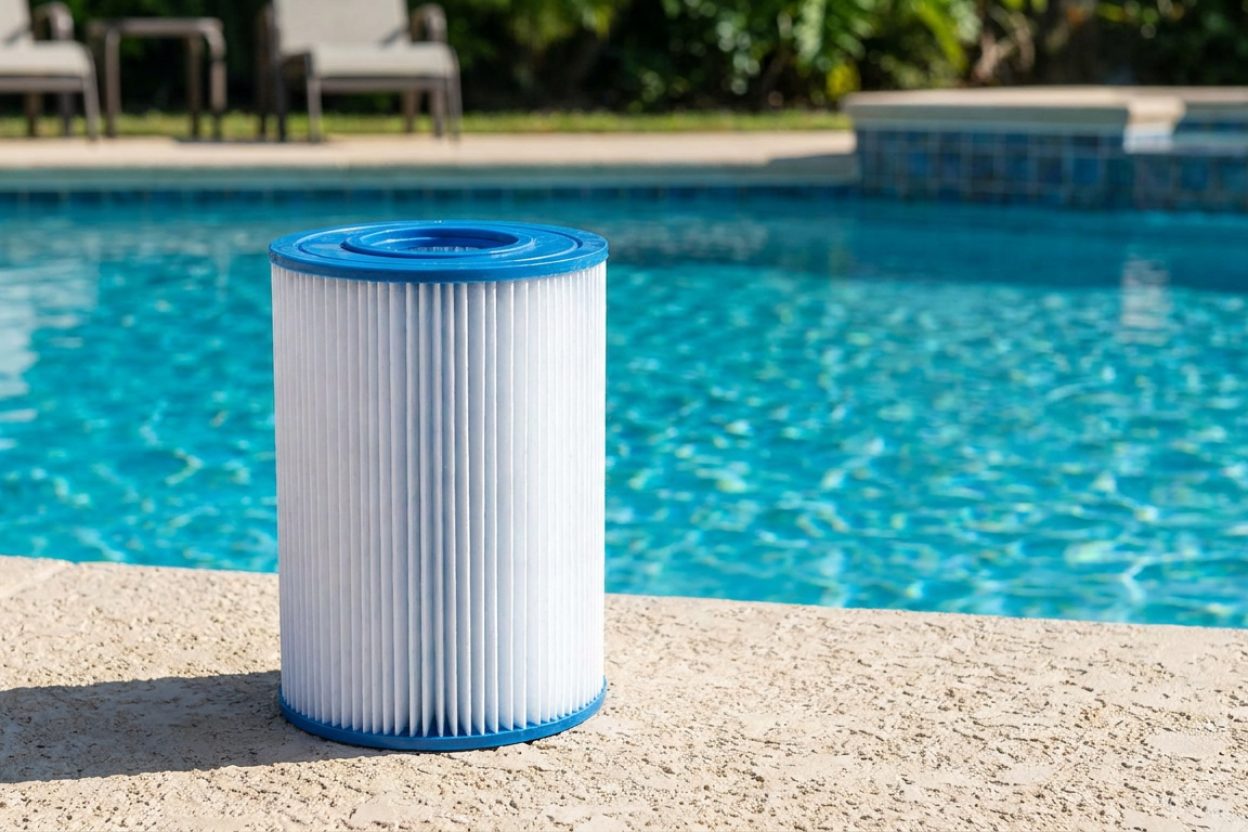
Can I Clean Pool Filter With Bleach? Safe Methods Explained

Is it safe to clean my pool filter with regular bleach?
Read full question
Somewhere in my garage looking at this disgusting pool filter with brown sludge and nasty buildup caked all over the pleats, wondering if bleach is safe. Is this actually safe to do?
I have what I think is a cartridge filter (it's the white pleated kind), and I'm worried about damaging it or my pool equipment if I use the wrong cleaning method. The pool store told me about expensive filter cleaners, but I'm wondering if regular bleach from the grocery store would work just as well. Should I dilute it somehow, and are there any types of filters I should avoid using bleach on?
Quick Answer
Yes, you can clean pool filters with diluted household bleach (1 part bleach to 10 parts water), but avoid bleach on DE filters and always rinse thoroughly afterward to prevent equipment damage.
When Bleach Works for Pool Filter Cleaning
Household bleach (sodium hypochlorite) can effectively sanitize and break down organic buildup on pool filters. It's particularly useful when your filter has developed algae growth, body oils, or other organic contaminants that regular hosing won't remove. The oxidizing properties of bleach help break down these stubborn deposits.
Best Filter Types for Bleach Cleaning
- Cartridge filters: Best cleaned with a TSP or commercial cartridge degreaser—avoid bleach, which degrades the filter fibers over time
- Sand filters: Can benefit from occasional bleach treatment to kill bacteria in sand bed
Step-by-Step Bleach Cleaning Process
For Cartridge Filters (secondary algae soak only)
Use this only if a cartridge is fouled with algae and a degreaser soak hasn't cleared it - it isn't routine cleaning, since bleach degrades polyester over time. For normal buildup, soak in TSP or a commercial cartridge cleaner instead, and never acid-soak a cartridge that hasn't been degreased first (the acid sets organic gunk into a cement-like layer that can't be removed).
- Turn off equipment: Shut off pump and pool equipment before removing filter
- Remove and rinse: Take cartridge out of housing and hose off loose debris with garden hose
- Prepare bleach solution: Mix 1 cup household bleach with 10 cups water in plastic container (never use metal)
- Soak the cartridge: Submerge filter completely in bleach solution for 30-60 minutes maximum
- Scrub if needed: Use soft brush to gently remove stubborn deposits, working between pleats
- Rinse thoroughly: Spend at least 5 minutes rinsing with garden hose to remove all bleach residue
- Final rinse test: Continue rinsing until water runs completely clear and has no chlorine smell
- Air dry: Allow filter to dry completely before reinstalling
- Dispose properly: Neutralize used bleach solution if required by local regulations before disposal - never pour concentrated solution down drains
For Sand Filters
- Backwash first: Run normal backwash cycle to remove loose debris
- Add diluted bleach: With the pump off, a diluted bleach solution poured into the skimmer can help kill algae in a sand bed, but it won't remove oils or scale and is no substitute for backwashing; avoid circulating concentrated bleach through the pump and heater
- Circulate: Run filter for 4-6 hours to distribute bleach through sand bed, monitoring equipment operation and checking for proper circulation
- Backwash again: Run extended backwash cycle until water runs clear
- Resume normal operation: Return to normal filtration mode
Critical Safety Precautions
Never mix bleach with other chemicals - this can create dangerous chlorine gas. Always work in well-ventilated areas and wear gloves and eye protection. Use only unscented household bleach without additives or colorants.
Equipment Protection
- Dilution is crucial: Never use full-strength bleach as it can damage filter materials
- Time limits matter: Don't exceed 1-hour soaking time to prevent material degradation
- Thorough rinsing essential: Bleach residue can damage pool equipment and affect water chemistry
- Test before use: Always test a small area first on expensive filters
- Check warranty: Verify that bleach cleaning won't void your filter's manufacturer warranty
When NOT to Use Bleach
DE Filter Systems
Bleach can damage the fabric or plastic grids in DE filters. (The DE powder itself is inert and gets discarded and replaced at every cleaning, so it isn't the concern - the grids are.) Instead, use specialized DE filter cleaners or simple soap and water solutions.
Very Old or Brittle Filters
Filters showing signs of wear, cracking, or brittleness shouldn't be exposed to bleach as it can accelerate deterioration.
Better Alternatives to Bleach
While bleach works, specialized pool filter cleaners are often more effective and safer for your equipment:
- Filter cleaning tablets: Designed specifically for pool filters with proper pH balance
- Muriatic acid solution: Better for calcium buildup (use 1:10 to 1:20 dilution depending on buildup severity; always add acid to water, never water to acid - see manufacturer specs)
- TSP (Trisodium Phosphate): Effective on oil and organic buildup, but TSP is itself a strong alkaline cleaner (wear gloves and eye protection) and adds phosphates, which can feed algae — rinse thoroughly
- Commercial filter cleaners: Formulated to be safe for all filter materials
Maintenance Schedule and Prevention
Regular cleaning prevents the need for harsh chemical treatments. Rinse cartridge filters every 2-3 weeks and deep clean monthly. Rotate between two sets of cartridges so one is always drying while the other is in use.
Signs Your Filter Needs Deep Cleaning
- Shortened time between rinses
- Persistent algae or discoloration
- Strong odors from filter
- Reduced water flow even after rinsing
Monitor your pool's water chemistry closely after any filter cleaning. Test and adjust chlorine, pH, and alkalinity levels as needed, since a freshly cleaned filter may temporarily affect water balance.
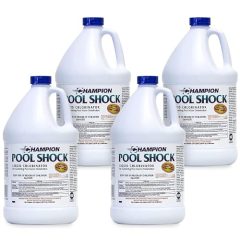 Liquid Chlorine / Sodium Hypochlorite (12.5%)
Everyday sanitizer — the B in BBB View on Amazon →
Liquid Chlorine / Sodium Hypochlorite (12.5%)
Everyday sanitizer — the B in BBB View on Amazon →
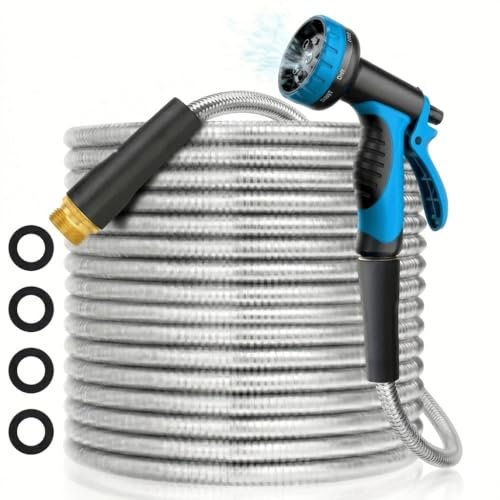 50 ft Flexible Metal Garden Hose (Kink-Free)
Durable hose for filling, priming, and rinsing equipment. View on Amazon →
50 ft Flexible Metal Garden Hose (Kink-Free)
Durable hose for filling, priming, and rinsing equipment. View on Amazon →
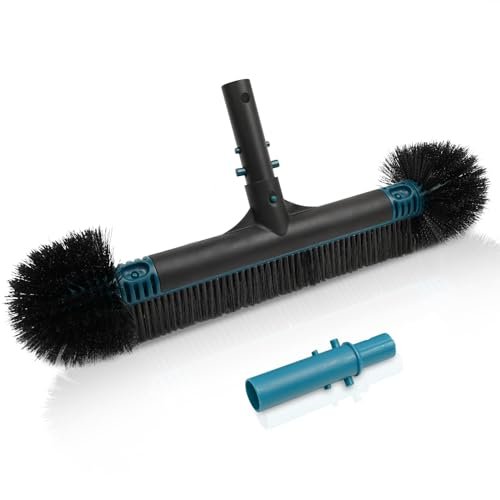 Poolvio 20" 2-in-1 Pool Brush Head (Walls & Floor)
Sturdy 20-inch brush head that clips onto any standard telescopic pole. View on Amazon →
Poolvio 20" 2-in-1 Pool Brush Head (Walls & Floor)
Sturdy 20-inch brush head that clips onto any standard telescopic pole. View on Amazon →
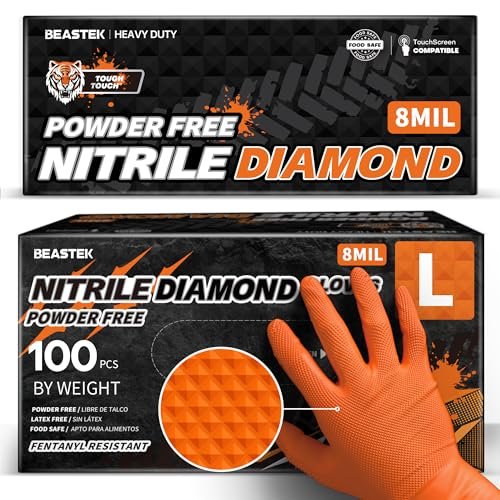 Beastek 8-mil Chemical-Resistant Nitrile Gloves
Disposable nitrile gloves for safe handling of pool chemicals. View on Amazon →
Beastek 8-mil Chemical-Resistant Nitrile Gloves
Disposable nitrile gloves for safe handling of pool chemicals. View on Amazon →
Still need help? Ask a Pool & Spa Expert AD
Get a personalized answer from PoolGuy810 — 30 years owning a pool and spa repair company. Describe your issue and get step-by-step help.
Related Pool Guides
Need More Help?
Try our free pool calculators and tools to help diagnose and fix your pool problems.
Browse Pool ToolsSLAM calculator, pH calculator, salt dosing & more