Can You Run a Pool Pump on Extension Cord? Safety Guide
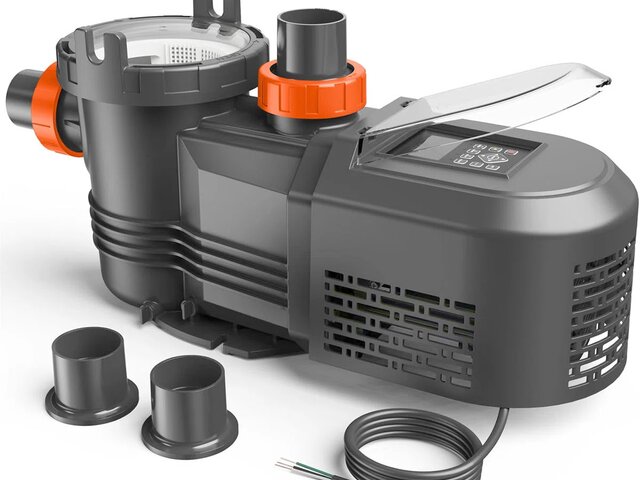
Running a pool pump off an extension cord is extremely dangerous and not recommended. Pool pumps require dedicated electrical circuits with GFCI protection for safety.
Pool heaters and pumps should never be on the same circuit due to high amperage requirements that would overload the circuit and create safety hazards.
Yes, you need a pool safety certificate in Queensland. Pool owners must obtain certificates every 1-2 years depending on property type, with inspections required before sale, lease, or registration.
You need a new pool pump if it's over 8-10 years old, making loud grinding noises, leaking water from the motor housing, or if repair costs exceed 50% of replacement cost.
In Florida, above ground pools typically require permits if they hold more than 5,000 gallons of water or are deeper than 24 inches. Requirements vary by county, so check with your local building department before installation.
Yes, you need a building permit for swimming pools in the Philippines, regardless of size or type. The process involves submitting plans to your local government unit (LGU), paying fees, and obtaining approval before construction begins.
Most states don't require a license for basic pool cleaning services, but commercial pool service businesses may need business licenses or permits. Chemical handling and pool maintenance involving equipment repairs often have additional requirements.
Variable speed pool pumps can save 50-90% on energy costs compared to single speed pumps and are required by law in many areas. They're worth the investment for most pool owners despite higher upfront costs.
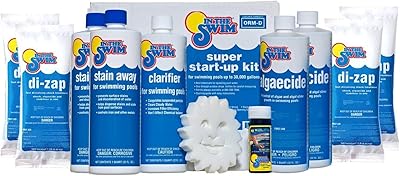
No, never use pool chlorine tablets in your well water system. Pool tablets contain trichlor and stabilizer that make water unsafe for drinking and can damage plumbing systems.
Pool heaters can potentially explode due to gas leaks, improper ventilation, or mechanical failures, but this is extremely rare with proper maintenance. Following safety protocols and regular inspections virtually eliminates explosion risks.
You can install some pool heaters yourself, but it depends on the type and your local codes. Electric and solar heaters are more DIY-friendly, while gas heaters typically require professional installation due to gas line connections.
Pool heater lifespans vary by type: gas heaters last 8-12 years, electric resistance heaters 15-20 years, and heat pumps 10-15 years. Proper maintenance and usage patterns significantly impact longevity.
Whether you need a pool heater depends on your climate, swimming season goals, and budget. Most pools benefit from heating if you want to extend your swimming season or maintain comfortable temperatures year-round.
Yes, you likely need a variable speed pump - they're federally mandated for most residential pools as of July 2021 and can reduce energy costs by 50-90% while providing better filtration and equipment longevity.
Yes, you can absolutely run your pool pump at night. In fact, nighttime operation often saves money on electricity costs and reduces chlorine loss from UV exposure.