Do I Need to Wash Pool Filter Sand? Complete Guide
Yes, you absolutely need to wash pool filter sand before installation. New sand contains dust, debris, and fine particles that will cloud your pool water if not properly cleaned first.
Yes, Walmart does carry pool filter sand both in-store and online, typically available from spring through summer. They stock brands like HTH and Quikrete, with 50-pound bags ranging from $8-15.
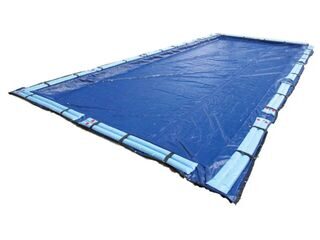
Pool covers can shrink due to excessive heat, UV exposure, chemical damage, or improper storage. Most shrinkage occurs with vinyl and mesh covers, while solid safety covers are more resistant but not immune.
Yes, pools can leak through concrete when it develops cracks, becomes porous over time, or has structural joint failures. The concrete shell itself can allow water to seep through, especially in older pools or those with poor initial construction.
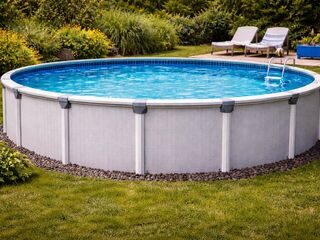
Most pools can safely remain empty for 1-2 weeks, but inground concrete pools face structural risks after this period due to hydrostatic pressure. Above ground pools can stay empty longer but may suffer liner damage.
Yes, you absolutely need a pool skimmer - it's essential equipment that removes surface debris and maintains proper water circulation. Skimmers are required by most building codes and without them, your pool would quickly become dirty and potentially unsafe.
Yes, a pool can leak through a hydrostatic valve when the valve becomes stuck open, damaged, or improperly sealed. This typically occurs when groundwater pressure drops or the valve mechanism fails, allowing pool water to escape into the ground.
Pool skimmers work by creating suction that draws surface water through a basket filter, removing debris like leaves and insects before water returns to the pump and filtration system.
Mesh pool covers typically last 10-15 years with proper care and maintenance. Higher quality covers with UV-resistant materials and reinforced edges can last even longer when properly maintained.
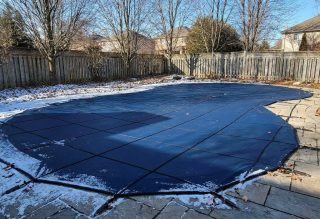
Most pool covers cannot be recycled through standard municipal programs due to mixed materials, but specialized recycling centers may accept them. Proper disposal varies by cover type and condition.
Standard pool tables come in three main sizes: 7-foot bar tables (39" x 78"), 8-foot home tables (44" x 88"), and 9-foot tournament tables (50" x 100"). Choose based on your room size and skill level.
Yes, you can use pool filter balls instead of sand in your sand filter. Filter balls provide superior filtration, are lighter to handle, and last longer than traditional sand while requiring the same basic maintenance routine.
You can leave an above ground pool empty temporarily, but extended emptying risks structural damage from ground pressure and UV exposure. Proper winterization or partial draining is usually safer than complete emptying.
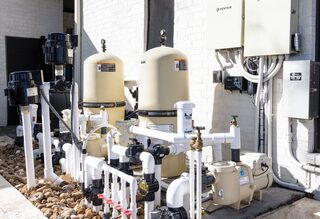
Pool sand filters work by forcing water through a bed of specialized filter sand that traps dirt and debris. Water enters the top of the filter tank, flows down through the sand media, and returns clean to your pool.
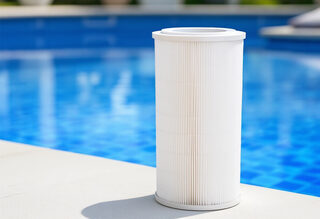
Pool cartridge filters work by trapping debris and contaminants as water flows through pleated polyester or paper media. The pleated design increases surface area for better filtration, capturing particles as small as 10-15 microns through physical straining.