
Do I Need a Pool Skimmer? Essential Equipment Guide

Is a pool skimmer actually necessary or just nice to have?
Read full question
Spent the morning staring at my new pool setup and realized I can't tell which equipment is actually essential versus just expensive extras. The skimmer seems like it would be helpful for picking up leaves and stuff, but I'm wondering if it's something I actually NEED or if I could get by without one to save some money.
I keep seeing them mentioned everywhere but nobody really explains if they're required or just recommended. Are there any safety issues or code requirements I should know about? Just want to make sure I'm not skipping something important that'll cause problems later!
Quick Answer
Yes, you absolutely need a pool skimmer - it's essential equipment that removes surface debris and maintains proper water circulation. Skimmers are required by most building codes and without them, your pool would quickly become dirty and potentially unsafe.
Why Pool Skimmers Are Essential
Pool skimmers serve multiple critical functions that make them indispensable for proper pool operation:
Surface Debris Removal
Skimmers continuously remove leaves, insects, oils, sunscreen, and other floating debris from the water surface. This prevents debris from sinking to the bottom where it becomes much harder to remove and can stain your pool surfaces. Without skimmers, you'd need to manually net debris constantly throughout the day.
Water Circulation
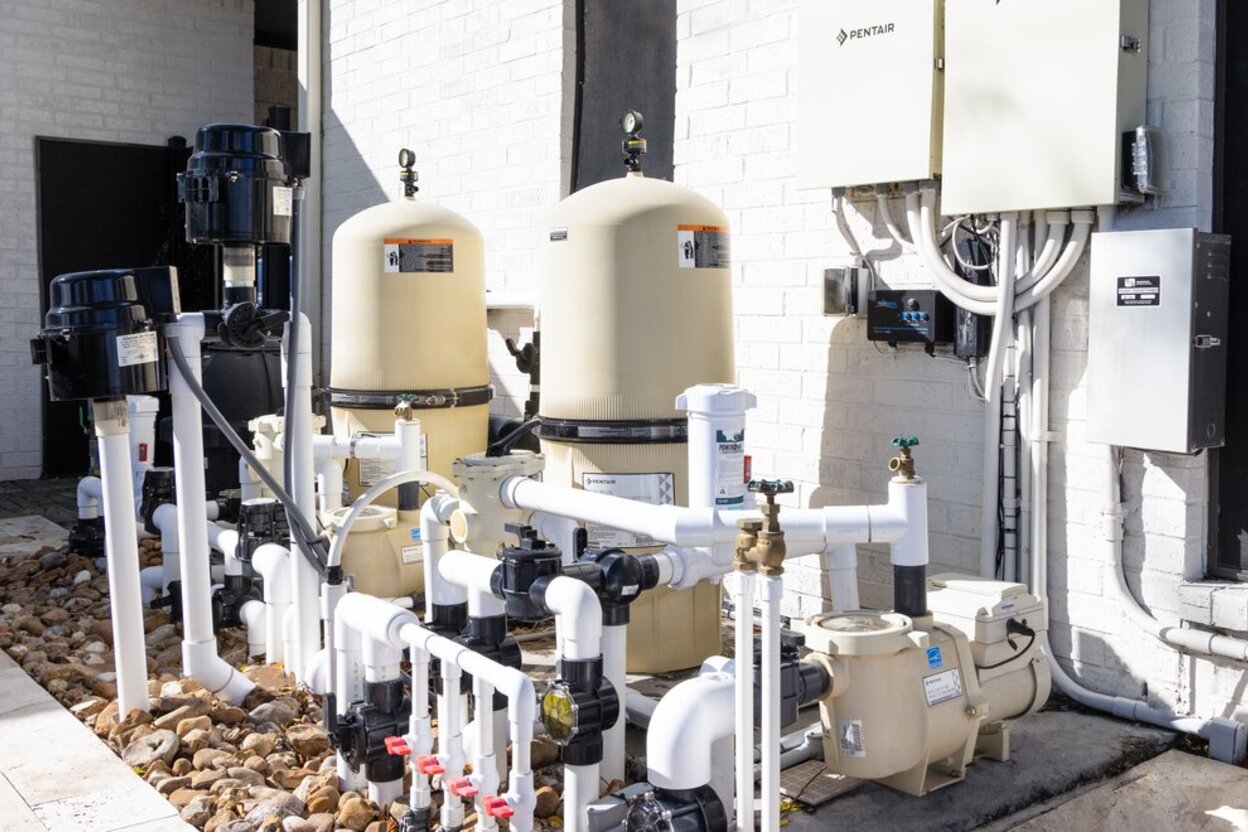
Skimmers create the primary suction point for your pool's circulation system. They pull water from the surface through your filter and pump system, ensuring proper turnover rates. Most pools are designed to circulate all water 1-2 times per day, and skimmers are essential for achieving this circulation pattern.
Chemical Distribution
Proper skimmer operation helps distribute chemicals evenly throughout the pool. As water flows through the skimmer, good skimmer-driven circulation helps the chlorine added through your return-side feeder or salt cell distribute evenly, preventing dead zones, preventing dead zones where algae can develop.
Legal and Safety Requirements
Most building codes require skimmers for several important reasons:
- Health department regulations: Skimmers help maintain sanitary conditions by removing organic matter before it decomposes
- Safety compliance: Proper circulation prevents stagnant water areas that can harbor bacteria
- Insurance requirements: Many pool insurance policies require functioning skimmers
- Resale value: Pools without proper skimming systems may not pass inspection during home sales
Types of Pool Skimmers
Built-In Skimmers
Most residential pools use built-in skimmers installed during construction. These connect directly to your pump and filter system through underground plumbing. Standard residential pools typically need one skimmer per 400 to 800 square feet of pool surface area - 800 sq ft is the common code minimum (ANSI/NSPI #5), while one per 400 sq ft is the recommended best practice (APSP) - depending on pool design and local codes.
Automatic Pool Skimmers
Robotic skimmers like the Solar Breeze or Betta SE can supplement built-in skimmers but cannot replace them entirely. These devices are helpful for extra surface cleaning but don't provide the circulation function of built-in skimmers.
Above-Ground Pool Skimmers
Above-ground pools use hanging skimmers that attach to the pool wall. While different in design, they serve the same essential functions as in-ground skimmers.
What Happens Without Skimmers
Operating a pool without functioning skimmers creates serious problems:
- Debris accumulation: Surface debris will sink and decompose, creating stains and consuming chlorine
- Poor circulation: Without skimmer suction, you'll have dead zones with stagnant water
- Chemical imbalances: Uneven circulation makes it difficult to maintain proper chlorine and pH levels
- Algae growth: Stagnant areas and accumulated organic matter promote algae blooms
- Equipment damage: Your pump may run dry or struggle without proper water flow
Skimmer Maintenance Requirements
To keep skimmers functioning properly:
- Empty baskets 2-3 times per week: More frequently during heavy debris seasons
- Clean weir doors monthly: Ensure the floating door moves freely
- Check water levels: Water should be at the middle of the skimmer opening for optimal function
- Inspect for cracks: Damaged skimmers can cause circulation problems and water loss
- Clear blockages immediately: Never ignore reduced suction or flow
Alternatives and Supplements
While skimmers cannot be eliminated, you can supplement them with:
- Pool robots: Automatic cleaners help with debris but don't replace circulation
- Surface skimmer attachments: Vacuum-powered surface cleaners for spot cleaning
- Leaf traps: Inline devices that catch large debris before it reaches your pump
- Multiple skimmers: Larger pools benefit from additional skimmer installation
Cost Considerations
Installing skimmers during pool construction is relatively inexpensive compared to retrofitting. New skimmer installation in existing pools can cost $1,500-3,000 per skimmer including plumbing modifications. However, this cost is essential for proper pool operation and is required by most codes.
Common Mistakes to Avoid
Don't run your pool long-term with a broken skimmer - repair or replace it promptly, and net the surface manually in the meantime. Some pool owners try to compensate with manual cleaning or robotic devices, but these cannot replace the circulation and continuous debris removal that skimmers provide. Always repair or replace malfunctioning skimmers immediately to prevent water quality problems and potential equipment damage.
Still need help? Ask a Pool & Spa Expert AD
Get a personalized answer from PoolGuy810 — 30 years owning a pool and spa repair company. Describe your issue and get step-by-step help.
Need More Help?
Try our free pool calculators and tools to help diagnose and fix your pool problems.
Browse Pool ToolsSLAM calculator, pH calculator, salt dosing & more