
How Does Pool Skimmer Basket Work? Complete Guide

What is the operational mechanism of pool skimmer baskets?
Read full question
Our pool's running great but I've got my cleaning tools laid out and want to master how this skimmer basket actually works before I accidentally break something. Specifically, I want to know the water flow dynamics and debris capture process that occurs when water enters the skimmer unit.
What is the step-by-step process of how debris gets trapped while maintaining proper water circulation to the pump? I'm looking for technical details about the basket's role in the overall filtration sequence and how it prevents larger contaminants from reaching downstream equipment.
Quick Answer
Pool skimmer baskets work by trapping large debris like leaves and insects before they reach your pool's filtration system. Water flows through the skimmer opening, fills the basket chamber, and continues to the pump while debris gets caught in the perforated basket.
How Pool Skimmer Baskets Function
Empty your skimmer basket every few days and you'll spend a couple of minutes keeping water flowing freely; let it stay packed and you'll lose skimming efficiency and put extra strain on your pump. Understanding how this simple yet crucial component operates will help you maintain cleaner water and extend the life of your pool equipment.
The skimmer basket sits inside the skimmer housing, positioned between the skimmer throat and the suction line that leads to your pool pump. As water flows from your pool surface through the skimmer opening, it carries floating debris like leaves, insects, hair ties, and other materials into the skimmer chamber where the basket captures these items.
The Water Flow Process
Water circulation begins when your pool pump creates suction that draws water from the pool surface through the skimmer opening. This surface water, which typically contains the most debris, flows down through the skimmer throat and into the skimmer housing where the basket is positioned.
The basket features hundreds of small perforations that allow water to pass through while trapping debris larger than the holes. Clean water then continues its journey through the suction line to the pool pump, then through the filter system, heater (if equipped), and back to the pool through return jets.
This continuous flow process ensures that floating debris gets removed before it can sink to the bottom of your pool or clog your more expensive filtration equipment. Without a functioning skimmer basket, leaves and other debris would travel directly to your pump impeller and filter, potentially causing damage and reducing efficiency.
Key Components and Design
Most skimmer baskets are manufactured from durable plastic materials like polypropylene or ABS plastic, designed to withstand constant water exposure and UV radiation. The basket typically features a cylindrical or tapered shape that fits snugly into the skimmer housing.
The perforation pattern varies by manufacturer, but most baskets have holes ranging from 1/8 inch to 1/4 inch in diameter. This size effectively captures most common pool debris while allowing adequate water flow. Some premium baskets feature finer mesh inserts for capturing smaller particles.
A handle or grip area at the top of the basket makes removal easier during cleaning. Quality baskets also include a weighted bottom or design features that keep them properly positioned in the skimmer housing, preventing them from floating or shifting during operation.
Installation and Positioning
Proper installation ensures optimal performance from your skimmer basket. The basket should sit firmly in the bottom of the skimmer housing, with the top rim positioned below the skimmer throat opening. This positioning allows maximum water flow while preventing debris from bypassing the basket.
When installing, ensure the basket isn't cracked or warped, as this can allow debris to escape and potentially damage your pump. The basket should fit snugly without forcing it into position - if you need to force it, you may have the wrong size or a warped basket.
Maintenance Requirements
Regular maintenance keeps your skimmer basket functioning effectively. Empty the basket at least twice weekly during normal use, or daily during heavy debris seasons like fall leaf drop. A full basket restricts water flow, reducing skimmer efficiency and potentially straining your pump.
To clean the basket, simply lift it out using the handle, empty the contents into your compost or trash, and rinse with a garden hose. For stubborn debris or algae buildup, use a soft brush to scrub the basket clean. Avoid using harsh chemicals or high-pressure washers that might damage the plastic.
Inspect your basket regularly for cracks, missing sections, or warping that could allow debris to pass through. Replace damaged baskets immediately to protect your filtration system.
Common Issues and Solutions
Several problems can affect skimmer basket performance. If your basket fills quickly, you may need to increase cleaning frequency or address the source of excess debris, such as overhanging trees or windy conditions.
Baskets that won't stay in position may be warped from age or heat exposure, or you might have the wrong size for your skimmer. Measure your skimmer housing carefully when purchasing replacements, as sizes vary significantly between manufacturers.
If debris is bypassing your basket, check for cracks or ensure you're using the correct basket size. Some pool owners install fine mesh bags inside their baskets for capturing smaller debris, though this requires more frequent cleaning to maintain proper water flow.
Remember that a clean, properly functioning skimmer basket is essential for optimal pool water circulation and filtration efficiency. This simple maintenance step protects your expensive pump and filter equipment while keeping your pool cleaner with less effort.
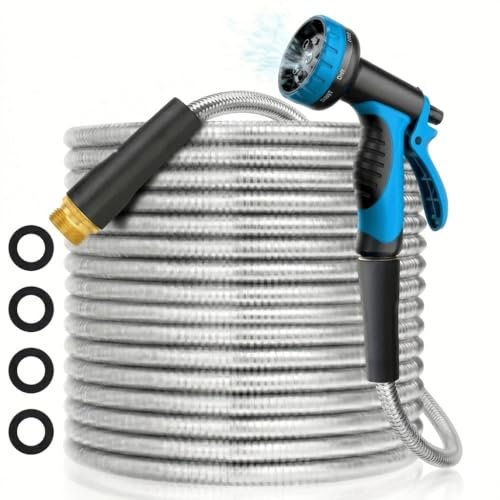 50 ft Flexible Metal Garden Hose (Kink-Free)
Durable hose for filling, priming, and rinsing equipment. View on Amazon →
50 ft Flexible Metal Garden Hose (Kink-Free)
Durable hose for filling, priming, and rinsing equipment. View on Amazon →
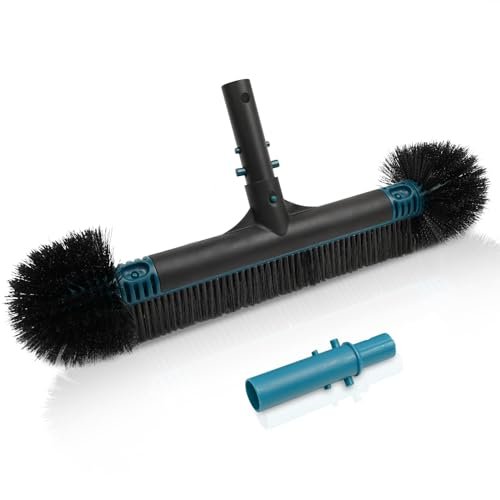 Poolvio 20" 2-in-1 Pool Brush Head (Walls & Floor)
Sturdy 20-inch brush head that clips onto any standard telescopic pole. View on Amazon →
Poolvio 20" 2-in-1 Pool Brush Head (Walls & Floor)
Sturdy 20-inch brush head that clips onto any standard telescopic pole. View on Amazon →
Still need help? Ask a Pool & Spa Expert AD
Get a personalized answer from PoolGuy810 — 30 years owning a pool and spa repair company. Describe your issue and get step-by-step help.
Need More Help?
Try our free pool calculators and tools to help diagnose and fix your pool problems.
Browse Pool ToolsSLAM calculator, pH calculator, salt dosing & more