
Do I Need to Wash Pool Filter Sand? Complete Guide

Is it safe to put new sand filter sand straight into my pool?
Read full question
After years of perfect pool maintenance, my filter sand suddenly turns cloudy and clogs up every time the temperature hits 85 degrees outside. The new sand I bought looks pretty dusty and I'm wondering if I need to clean it first before putting it in the filter system.
I'm really concerned about water quality and don't want to introduce anything harmful or make the water cloudy for the kids. Should I be washing this sand before installation, or is it ready to go straight from the bag? What's the safest approach here?
Quick Answer
New filter sand should be rinsed clean of manufacturing dust before use — though most bagged pool-grade sand already comes pre-washed. The simplest method is to load it into the filter and run a backwash-then-rinse cycle before switching to Filter; pre-rinsing in a tub is optional.
Why Washing Pool Filter Sand is Critical
Pool filter sand straight from the bag can contain several contaminants worth rinsing out:
- Manufacturing dust - Fine particles created during the crushing and screening process
- Silica dust - Microscopic particles that will pass through your filter and cloud your water
- Organic debris - Small pieces of vegetation or other materials picked up during processing
- Undersized particles - Sand grains too small for proper filtration that need removal
Without proper washing, these contaminants will immediately enter your pool when you start the filtration system, creating cloudy water that can take days to clear.
Step-by-Step Sand Washing Process
Before Installation Method
- Set up your washing area - Choose a location with good drainage, away from storm drains or sensitive vegetation
- Use a large container - A wheelbarrow, large bucket, or portable mixing tub works well
- Add sand gradually - Pour in 2-3 bags at a time, don't overwhelm your washing container
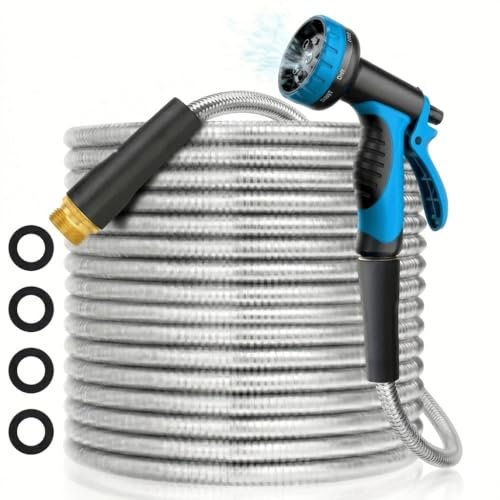
- Rinse with garden hose - Use a standard garden hose with a spray nozzle for best control
- Agitate the sand - Use a shovel or your hands to stir the sand while water flows through it
- Continue until water runs clear - This typically takes 5-10 minutes per batch of sand
- Let excess water drain - Allow the sand to drain for a few minutes before transferring to your filter
In-Filter Washing Method
If you've already added unwashed sand to your filter, you can still clean it:
- Protect the laterals - Cover the underdrain assembly with a small amount of water or cloth to prevent sand from entering the laterals
- Fill the filter tank - Add water until it covers the sand by 6 inches
- Set multiport valve to backwash - This reverses water flow to remove debris
- Run the pump - Start your pool pump and backwash until sight glass shows clear water
- Switch to rinse - Turn off the pump, set the valve to RINSE, then restart the pump
- Run the rinse cycle - Run for 1-2 minutes until the sight glass is clear; this settles and packs the sand bed and clears residual fines
- Return to filter mode - Turn off pump, switch to filter, restart system
Choosing the Right Sand
Not all sand is suitable for pool filters. Use only #20 silica sand with a grain size of 0.45-0.55mm. Popular brands include:
- HTH Pool Filter Sand - Pre-washed option that still benefits from additional rinsing
- Quikrete Pool Filter Sand - Widely available at home improvement stores
- Bulk pool-grade silica sand - Often the most economical option when bought from a pool-supply wholesaler
Avoid: Play sand, construction sand, or any sand containing calcium carbonate, as these can affect your pool's water chemistry.
How Much Sand to Use
Sand filter capacity varies by tank size. Typical amounts for common tank diameters:
- 16-inch tank: ~100 lbs of sand
- 18-inch tank: ~150 lbs of sand
- 20-inch tank: ~200 lbs of sand
- 22-inch tank: ~250 lbs of sand
- 24-inch tank: ~300 lbs of sand
Note: Actual capacity depends on both diameter and height - see manufacturer specifications.
Check your filter manual for exact specifications, as overfilling or underfilling reduces filtration efficiency.
Post-Installation Water Chemistry
After adding washed sand, monitor your water chemistry closely:
- Test pH and alkalinity - New sand can slightly affect these levels initially
- Maintain proper chlorine levels - Follow the FC/CYAFC/CYA chart — The chart that sets your chlorine target from your stabilizer (CYA) level — the two go together. see the chart → (Free Chlorine/Cyanuric Acid) chart for your stabilizer level
- Run extended filtration cycles - Operate your filter 24-48 hours continuously after sand replacement
When to Replace Filter Sand
Even with proper washing, sand doesn't last forever. Replace your filter sand when:
- Water clarity decreases despite proper chemistry and regular backwashing
- Backwash cycles become more frequent - less than 2-3 weeks apart
- The sand bed is old and filtering poorly - sand is replaced based on performance, not a fixed calendar (many beds last well beyond five years)
- Sand appears cemented or channeled - indicates oil and debris buildup
Safety Considerations
Important safety reminders when washing sand:
- Wear safety glasses to protect from dust and splash-back
- Use gloves to prevent skin irritation from prolonged sand contact
- Avoid inhaling dust particles - work in well-ventilated areas
- Never dispose of rinse water in storm drains - it can harm aquatic environments
Taking the time to properly wash your pool filter sand ensures optimal filtration performance and crystal-clear pool water from day one.
Still need help? Ask a Pool & Spa Expert AD
Get a personalized answer from PoolGuy810 — 30 years owning a pool and spa repair company. Describe your issue and get step-by-step help.
Related Pool Guides
Need More Help?
Try our free pool calculators and tools to help diagnose and fix your pool problems.
Browse Pool ToolsSLAM calculator, pH calculator, salt dosing & more