
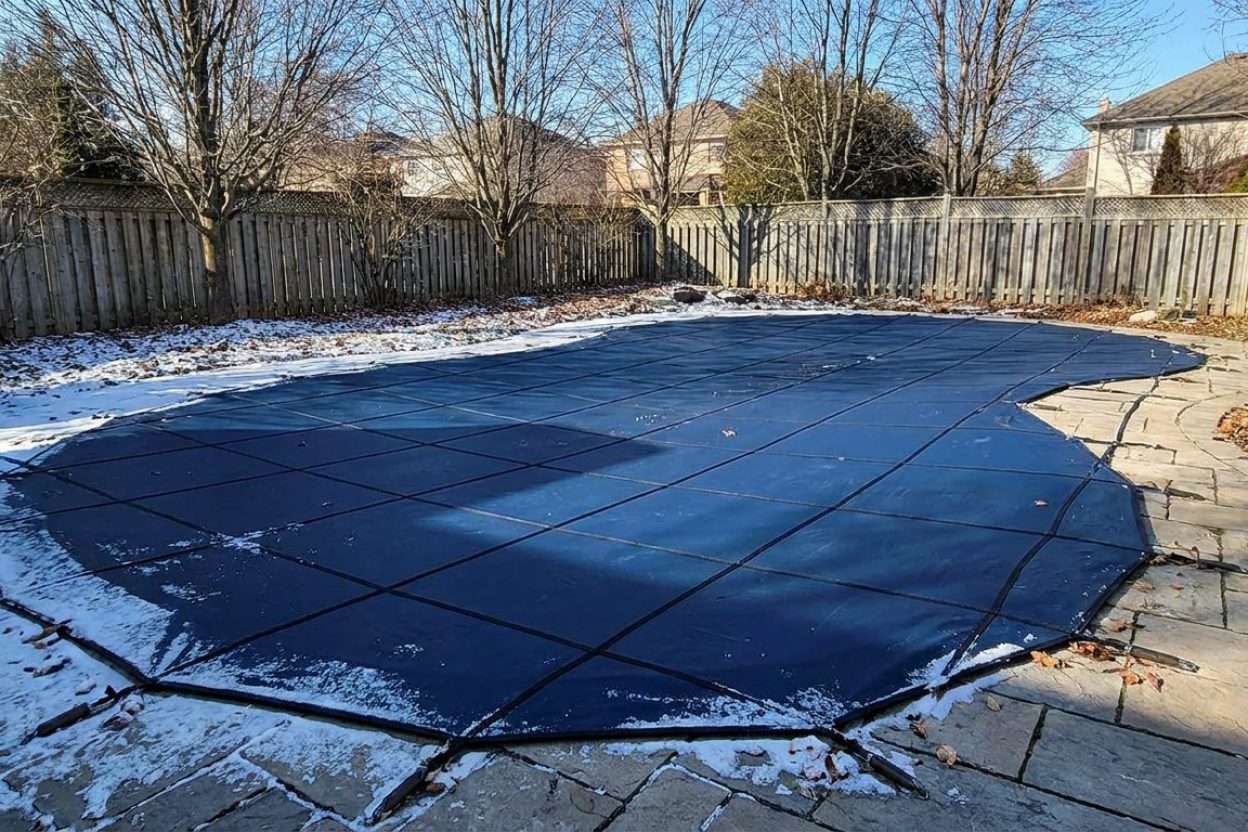
Can Pool Covers Shrink? Prevention & Solutions Guide

Help! Is my pool cover actually shrinking or am I going crazy?
Read full question
Around three seasons ago I had the same shrinking problem with my old vinyl cover and stretching it worked fine — but this new one seems way tighter than last season. The edges don't reach as far as they used to, and I'm having to really stretch it to get it secured properly.
Is this actually a thing that happens? Can pool covers legitimately shrink over time? Mine's been through a pretty brutal summer with tons of sun, and I'll admit I probably didn't store it perfectly last winter. Just want to know if I need to accept that I'm gonna need a new cover or if there's something I could've done differently to prevent this!
Quick Answer
Pool covers can shrink due to excessive heat, UV exposure, chemical damage, or improper storage. Most shrinkage occurs with vinyl and mesh covers, while solid safety covers are more resistant but not immune. Proper care and maintenance can prevent shrinkage, including maintaining balanced pool chemistry, limiting heat exposure, applying UV protection, and proper installation and storage. For the full breakdown of safe chlorine levels by CYA level, see our pool water chemistry guide.
Understanding Pool Cover Materials and Shrinkage Risk
Different cover materials respond differently to environmental stressors. Vinyl covers are the most prone to shrinkage because the material becomes less flexible over time when exposed to temperature extremes. Standard blue tarp-style covers can shrink significantly – typically 2-4 inches over a season, though extreme conditions or poor-quality materials may cause greater shrinkage.
Mesh safety covers also experience shrinkage, particularly in the webbing and fabric portions. The polypropylene or polyethylene materials used in these covers can contract when exposed to prolonged heat and UV radiation.
Solid safety covers with reinforced vinyl and strong perimeter webbing are more resistant but not immune. High-quality covers from manufacturers like Loop-Loc, Meyco, or Coverstar use UV-stabilized materials that resist shrinkage better than budget alternatives.
Primary Causes of Pool Cover Shrinkage
Heat and Temperature Fluctuations
Extreme temperature changes cause cover materials to expand and contract repeatedly. When covers are stretched tight during hot weather and then exposed to cold temperatures, the material can lose its elasticity and remain in a contracted state. This is especially problematic in regions with significant seasonal temperature variations.
UV Radiation Damage
Prolonged sun exposure breaks down the polymer chains in synthetic cover materials. As UV rays degrade the material, it becomes brittle and loses its original dimensions. Covers left on pools during hot summer months without UV protection are particularly vulnerable.
Chemical Exposure
High chlorine levels, improper pH balance, and chemical spills can accelerate cover deterioration. When pool water with excessive sanitizer levels contacts the cover regularly, it can cause the material to break down and shrink. Sustained chlorine levels above 10 ppm or pH levels outside the 7.2-7.8 range increase this risk significantly.
Improper Storage
Storing covers in hot attics, garages, or direct sunlight during off-season periods accelerates aging and shrinkage. Folding covers too tightly or storing them while damp also contributes to material degradation.
Prevention Strategies
Maintain Proper Pool Chemistry
Keep your pool's chemistry balanced when the cover is in contact with water. Maintain free chlorine at the right level for your CYACyanuric Acid (stabilizer) — Sunscreen for your chlorine — it keeps sunlight from burning it off. The catch: the more you have, the more chlorine you need to keep. learn more → (typically 4-8 ppm for a stabilized outdoor pool), pH between 7.2-7.8, and total alkalinity between 80-120 ppm. Test water weekly and adjust as needed using a quality test kit like the Taylor K-2006C.
Limit Heat Exposure
During extremely hot weather, ensure covers are not stretched too tightly, especially lightweight vinyl covers. Allow some slack to accommodate thermal expansion. For covers showing signs of heat stress, consult manufacturer guidelines for your specific cover type.
Apply UV Protection
Use UV protectant sprays designed for vinyl and synthetic materials. Products like 303 Aerospace Protectant can extend cover life significantly when applied according to manufacturer directions – typically every 3-4 months during active use periods.
Proper Installation and Tensioning
Don't over-tension your cover during installation. Safety covers should be snug but not drum-tight. Excessive tension puts unnecessary stress on the material and hardware, increasing shrinkage risk.
What to Do if Your Cover Has Already Shrunk
Assess the Damage
Measure the shrinkage by comparing current dimensions to original specifications. Minor shrinkage (1-3 inches) might be manageable with adjustment, while significant shrinkage (6+ inches) typically requires professional evaluation or replacement.
Professional Adjustment Options
For safety covers, contact your installer or manufacturer. Many companies offer re-measurement and adjustment services. They can sometimes add material sections or relocate anchor points to accommodate moderate shrinkage.
Temporary Solutions
For winter covers, consider using cover clips or water bags to secure areas that no longer reach the pool edge properly. This isn't ideal long-term but can extend the cover's usable life by one season while you plan for replacement.
When to Replace vs. Repair
Replace covers that have shrunk more than 6 inches in any direction, show signs of brittleness or cracking, or no longer provide adequate safety protection. Attempting to stretch severely shrunk covers can cause tears and compromise safety.
Consider repair for high-quality safety covers with minor shrinkage, especially if they're less than 5 years old. The investment in professional adjustment often makes financial sense compared to full replacement.
Choosing Shrink-Resistant Covers
When purchasing new covers, invest in UV-stabilized materials with reinforced construction. Look for warranties that specifically address shrinkage – reputable manufacturers stand behind their products' dimensional stability.
Safety Warning: Never attempt to forcibly stretch a shrunk safety cover to fit anchor points. This can cause catastrophic failure and pose serious safety risks.
For the full breakdown of safe chlorine levels by CYA level, see our pool water chemistry guide.
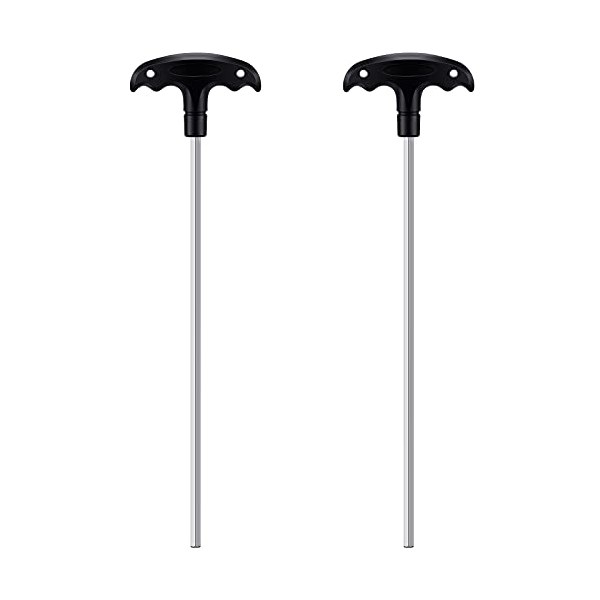 Pool Safety Cover Hex Key Tool (2-Pack)
Hex keys to install or remove a pool safety cover. View on Amazon →
Pool Safety Cover Hex Key Tool (2-Pack)
Hex keys to install or remove a pool safety cover. View on Amazon →
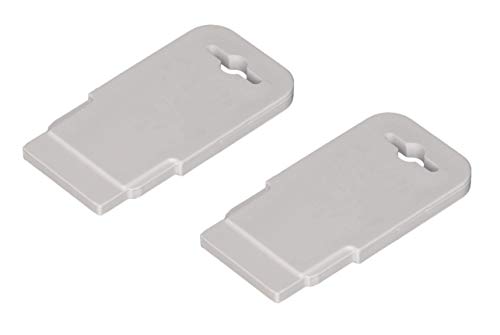 Pool Eyeball / Return Jet Fitting Removal Tool (ATIE)
Pops out & reseats Hayward SP1419 return-jet eyeballs — handy for closing. View on Amazon →
Pool Eyeball / Return Jet Fitting Removal Tool (ATIE)
Pops out & reseats Hayward SP1419 return-jet eyeballs — handy for closing. View on Amazon →
 Taylor K-2006C Complete FAS-DPD Pool & Spa Test Kit
The FAS-DPD kit pool pros trust — reads chlorine accurately even at shock/SLAM levels, plus pH, alkalinity, calcium hardness and CYA. View on Amazon →
Taylor K-2006C Complete FAS-DPD Pool & Spa Test Kit
The FAS-DPD kit pool pros trust — reads chlorine accurately even at shock/SLAM levels, plus pH, alkalinity, calcium hardness and CYA. View on Amazon →
Still need help? Ask a Pool & Spa Expert AD
Get a personalized answer from PoolGuy810 — 30 years owning a pool and spa repair company. Describe your issue and get step-by-step help.
Related Pool Guides
Need More Help?
Try our free pool calculators and tools to help diagnose and fix your pool problems.
Browse Pool ToolsSLAM calculator, pH calculator, salt dosing & more