
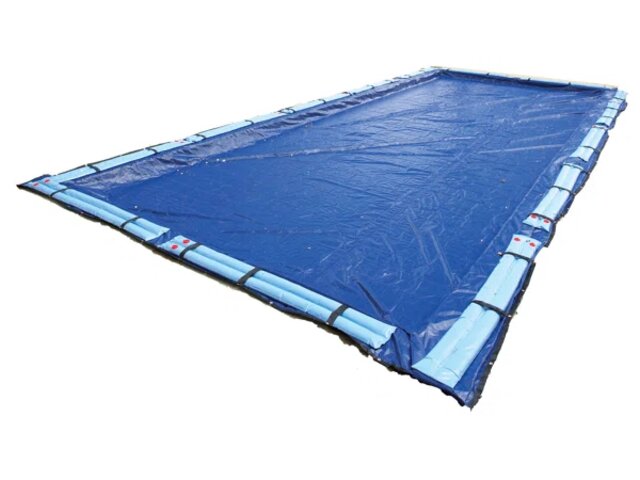
How to Winterize a Pool Without Draining It - Complete Guide

Can I winterize my pool without draining all the water?
Read full question
About three YouTube tutorials into winterizing my pool without draining and I've somehow made my equipment situation ten times worse. My neighbor told me I don't actually have to drain my entire pool to winterize it properly, but I'm not sure if that's true or how to do it safely.
I'd love to avoid the hassle and cost of draining and refilling if possible. What's the proper way to winterize without emptying the whole thing? I want to make sure I don't damage my equipment or pool structure by doing it wrong.
Quick Answer
You can winterize a pool without draining by balancing water chemistry, lowering water level 4-6 inches below skimmers, blowing out plumbing lines, and adding winterizing chemicals. This method protects your pool structure and equipment while saving water.
Step-by-Step Winterization Process
- Balance Water Chemistry (1-2 weeks before closing)
Test and adjust your water chemistry to these target levels:- pH: 7.4-7.6 (acceptable 7.2-7.8)
- Total Alkalinity: 80-120 ppm
- Calcium Hardness: 250-350 ppm (plaster/concrete) or 175-225 ppm (vinyl/fiberglass)
- Free Chlorine: the right level for your CYACyanuric Acid (stabilizer) — Sunscreen for your chlorine — it keeps sunlight from burning it off. The catch: the more you have, the more chlorine you need to keep. learn more → (typically 4-8 ppm for a stabilized outdoor pool, use the all-in-one pool calculator to estimate the level)
- Cyanuric Acid: 30-50 ppm
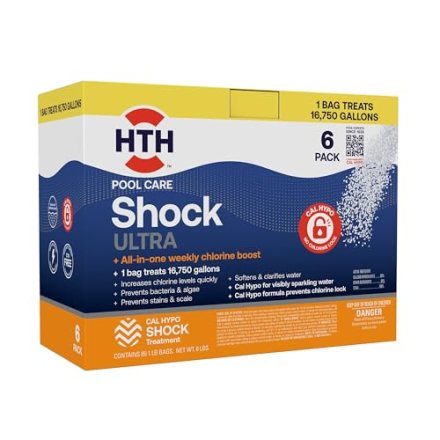
- Shock the Pool
Add liquid chlorine to clear the combined chlorine: use the SLAMShock Level And Maintain — raise free chlorine to a target based on your CYA and hold it there until the algae is gone. It's a process, not a one-time dose. the SLAM walkthrough → method to raise free chlorine to the shock level for your CYA (about 40% of CYA). Test combined chlorine first, then add chlorine until you achieve breakpoint (when combined chlorine drops to near zero). Higher CYA levels may require more chlorine to achieve effective sanitization. Run the pump for 24-48 hours to ensure complete circulation and sanitization. This eliminates any remaining contaminants before closing. - Lower Water Level
Reduce water level to 4-6 inches below the skimmer opening (or tile line). Use a submersible pump or your pool's waste setting. Never drain the pool completely - this can cause structural damage from ground pressure and freeze/thaw cycles. - Clean Pool Thoroughly
Brush walls and floor, vacuum debris, and empty all skimmer and pump baskets. Remove any leaves, dirt, or organic matter that could decompose and create problems during winter. Clean the waterline with pool tile cleaner to prevent staining. - Blow Out Plumbing Lines
Using a shop vac or air compressor (start with 5-10 PSI and gradually increase as needed, not exceeding 15 PSI maximum, checking for leaks especially in older plumbing systems):- Remove drain plugs from pump, filter, and heater
- Blow air through return lines until water stops coming out
- Blow air through skimmer lines
- Add pool antifreeze (propylene glycol) to skimmer lines in areas with harsh freezes
- Install winter plugs in all return jets
- Winterize Equipment
- Pool Pump: Drain completely, remove drain plugs, store indoors if possible
- Filter: Clean thoroughly, drain, and store cartridge filters indoors
- Heater: Drain water connections, remove drain plugs
- Salt Water Generator: Remove cell, clean, and store indoors
- Automatic Cleaner: Remove, clean, and store indoors
- Add Winterizing Chemicals
Add a winterizing chemical kit or individual chemicals:- Algaecide: Use algaecide according to manufacturer specifications as dosage varies by type and concentration
- Pool Enzyme: Breaks down organic contaminants over winter
- Stain Preventer: Prevents metal staining, especially important for well water
- Install Pool Cover
Choose between:- Safety Cover: Best option - supports weight, prevents accidents, allows some water evaporation
- Solid Winter Cover: Blocks all sunlight, requires cover pump for rain/snow removal
- Mesh Cover: Allows water through but blocks debris
- Final Equipment Shutdown
- Turn off power at circuit breaker
- Remove and store any removable pool equipment indoors
- Place pool thermometer and test strips in dry storage
- Store liquid chemicals in temperature-controlled environment (not freezing)
Why Not Drain Your Pool?
Keeping water in your pool during winter is crucial for several reasons:
- Structural Protection: Water weight prevents ground pressure from cracking pool walls
- Liner Protection: Vinyl liners can shrink and become brittle when exposed to freezing air
- Surface Protection: Plaster and aggregate surfaces can suffer freeze damage when dry
- Cost Savings: Avoids refilling costs and lengthy rebalancing process in spring
Cold Climate Considerations
In regions with severe freezing, take additional precautions:
- Use more pool antifreeze in plumbing lines
- Consider a pool pillow under solid covers to handle ice expansion
- Install a cover pump to remove excess water from solid covers
- Never break ice on the pool surface - this can damage pool walls
Spring Opening Preparation
Proper winterization makes spring opening easier:
- Water chemistry will be closer to balanced levels
- Less algae growth means faster clearing
- Equipment protection prevents costly repairs
- Clean water reduces chemical and cleaning time
Following this comprehensive winterization process protects your pool investment while ensuring a smoother opening process when swimming season returns. The key is thorough preparation and using quality winterizing products designed for your specific pool type and climate conditions.
For the full breakdown of safe chlorine levels by CYA level, see our pool water chemistry guide.
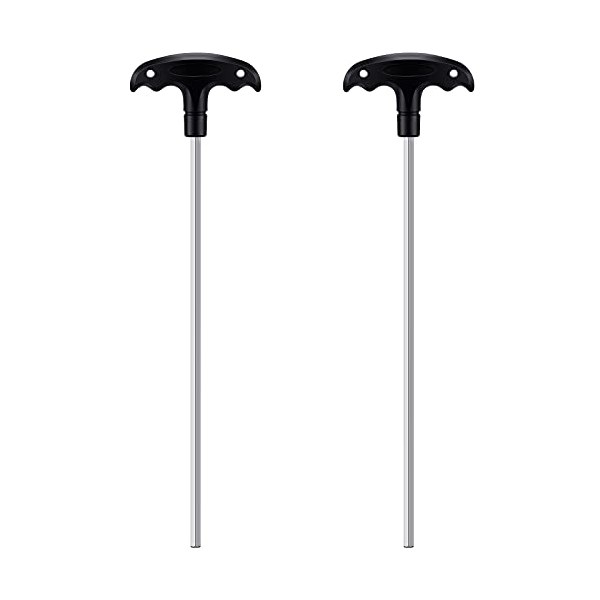 Pool Safety Cover Hex Key Tool (2-Pack)
Hex keys to install or remove a pool safety cover. View on Amazon →
Pool Safety Cover Hex Key Tool (2-Pack)
Hex keys to install or remove a pool safety cover. View on Amazon →
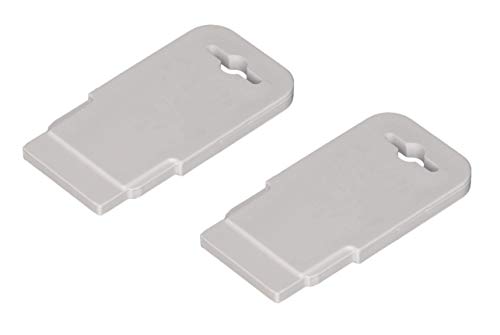 Pool Eyeball / Return Jet Fitting Removal Tool (ATIE)
Pops out & reseats Hayward SP1419 return-jet eyeballs — handy for closing. View on Amazon →
Pool Eyeball / Return Jet Fitting Removal Tool (ATIE)
Pops out & reseats Hayward SP1419 return-jet eyeballs — handy for closing. View on Amazon →
 Taylor K-2006C Complete FAS-DPD Pool & Spa Test Kit
The FAS-DPD kit pool pros trust — reads chlorine accurately even at shock/SLAM levels, plus pH, alkalinity, calcium hardness and CYA. View on Amazon →
Taylor K-2006C Complete FAS-DPD Pool & Spa Test Kit
The FAS-DPD kit pool pros trust — reads chlorine accurately even at shock/SLAM levels, plus pH, alkalinity, calcium hardness and CYA. View on Amazon →
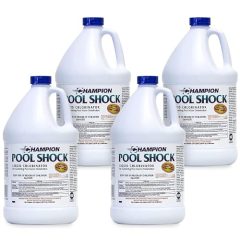 Liquid Chlorine / Sodium Hypochlorite (12.5%)
Everyday sanitizer — the B in BBB View on Amazon →
Liquid Chlorine / Sodium Hypochlorite (12.5%)
Everyday sanitizer — the B in BBB View on Amazon →
Still need help? Ask a Pool & Spa Expert AD
Get a personalized answer from PoolGuy810 — 30 years owning a pool and spa repair company. Describe your issue and get step-by-step help.
Related Pool Guides
Need More Help?
Try our free pool calculators and tools to help diagnose and fix your pool problems.
Browse Pool ToolsSLAM calculator, pH calculator, salt dosing & more