
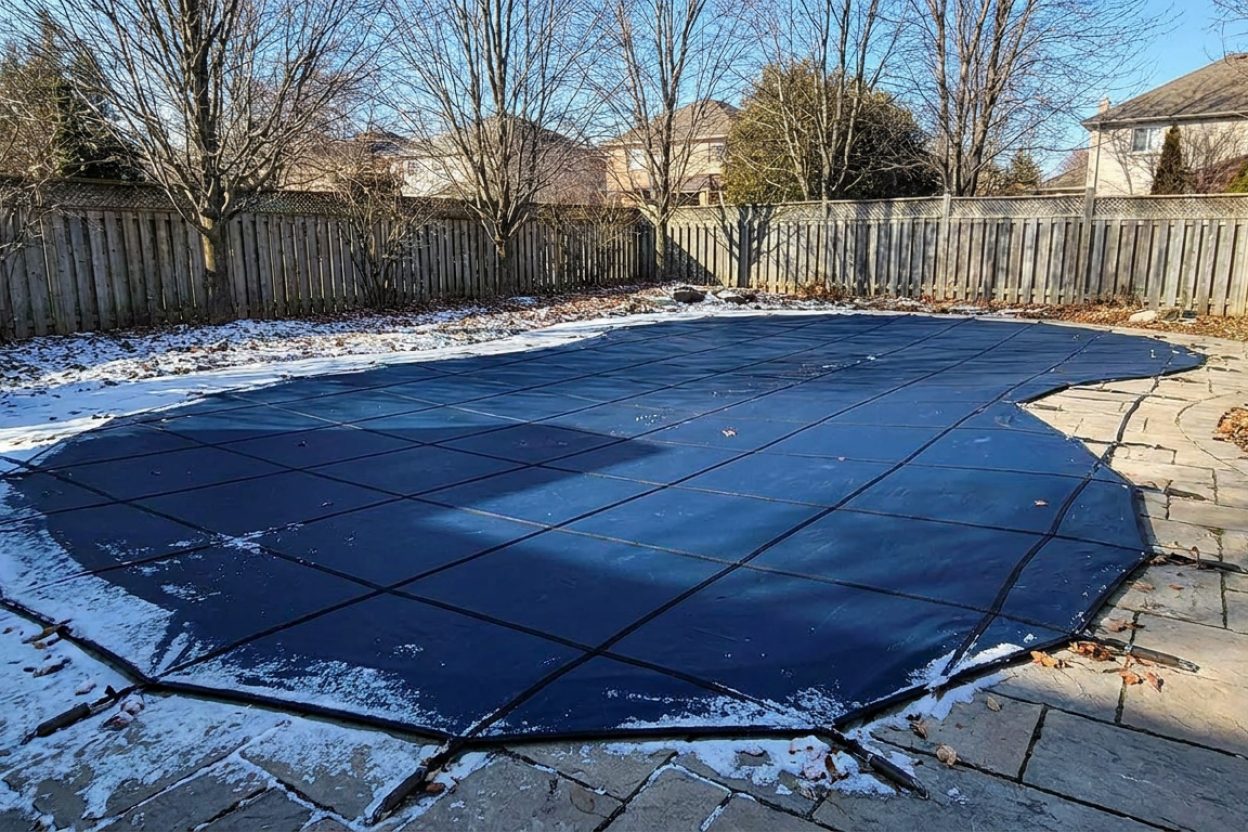
Pool Closing Chemistry: pH, Alkalinity & Calcium

What Are the Right Chemistry Targets for Closing My Pool?
Read full question
Three weeks ago I started casually checking off my winterization list and figured the water balance part would be simple — just hit some basic numbers and call it done. But the more I researched, the more confused I got, and now I've gone down a rabbit hole of conflicting advice that has me second-guessing everything. Some sites say pH 7.4, others say push it to 7.6 or even higher because it'll drift down over winter. Alkalinity targets range anywhere from 80 to 150 ppm depending on who you ask.
I have a plaster pool, so I know calcium hardness matters more for me than for someone with a vinyl liner, but I can't get a straight answer on where to land. My closing date is coming up fast and I don't want to seal in bad water for six months. Is there a reliable set of targets I should be hitting before I put the cover on, or does winter chemistry actually work differently than summer?
Quick Answer
Before closing, target pH 7.4–7.6, total alkalinity 80–120 ppm, and calcium hardness 200–400 ppm (higher end for plaster pools). Winter chemistry goals are essentially the same as summer — balanced water protects surfaces and equipment while the pool sits idle. Getting these numbers dialed in before you cover the pool is one of the most important steps in a solid winterization.
Why Winter Chemistry Seems Complicated—And How to Simplify It
You might find contradictory advice about closing targets because many recommendations are valid but apply to specific pools, climates, or situations. Fortunately, the fundamental chemistry goals for winterizing are quite similar to regular season maintenance. The key distinction is that any imbalance will intensify over the idle months without circulation or correction. Whatever conditions you lock in under the cover will remain unchanged until spring.
This section breaks down each chemical parameter—detailing the ideal range, its particular importance during winter, and how to address readings that are outside the target.
pH: The Most Debated Measurement
The recommended target is 7.4–7.6. Some pool owners deliberately raise pH toward 7.6 at closing, believing it will counteract a natural downward drift when the water is still and not aerated. While this logic can hold in certain cases, pH in a covered pool can shift upward just as readily, influenced by your sanitizer, existing chemistry, and cover style. The most reliable strategy is to achieve a precise reading in the middle of that range instead of trying to predict and offset future changes.
The practical method: accurately reach 7.4–7.6, then avoid second-guessing. A properly balanced pool with correct alkalinity provides a buffer that limits severe pH fluctuations. While a pH significantly above 7.8 combined with high calcium and alkalinity raises scaling potential, pH alone at 7.8 is not an absolute danger line. Scaling risk is more accurately evaluated using the Langelier Saturation Index, which considers pH, calcium, and alkalinity in combination. Focus on aligning all three parameters rather than obsessing over one.
- If pH is too low (<7.2): Increase it using sodium carbonate (soda ash) before administering any other winterizing chemicals. Low pH corrodes plaster, metal fittings, and heater parts.
- If pH is too high (>7.8): Lower it with muriatic acid or dry acid. Do not close the pool with elevated pH, as it encourages scaling and diminishes the potency of your final chlorine dose.
Our pH adjustment calculator provides a more precise estimate of the required acid or soda ash based on your pool's volume.
Total Alkalinity: The Bedrock of Stability
Aim for 80–120 ppm total alkalinity at closing. Alkalinity acts as a pH buffer, preventing wild swings over the winter. This target mirrors the summer range because a correctly buffered pool is a stable pool.
- If TATotal Alkalinity — The buffer that keeps your pH from bouncing around. Get this in range and pH gets a lot easier to manage. learn more → is below 80 ppm: pH will become volatile and hard to predict during winter. Increase TA with sodium bicarbonate (baking soda) before closing. Ensure adequate circulation before testing again.
- If TA is above 120 ppm: High alkalinity complicates pH control and often leads to a gradual pH rise due to CO₂ release. You can reduce TA with muriatic acid, though this is a multi-step process requiring aeration—allow time between adjustments and retest before finishing.
- If you have a salt or borate system: The same TA targets apply; ignore claims that salt pools need substantially different alkalinity levels at closing.
Calcium Hardness: Especially Critical for Plaster Pools
For a plaster pool, calcium hardness requires careful focus. The target range is 200–400 ppm. For plaster, especially in colder climates where water can become aggressive, aim for the 300–400 ppm portion of that spectrum.
The reason: water with low calcium combined with low pH or alkalinity creates aggressive conditions—often gauged by the Langelier Saturation Index (LSI)—that speed up plaster deterioration. This makes calcium hardness a priority for plaster pools at closing, though calcium is only part of the equation; pH and alkalinity must also be correct. Targeting the higher end of the calcium range (300–400 ppm) helps maintain a neutral, non-aggressive LSI. This is a primary reason plaster pools need different care than vinyl or fiberglass.
- If calcium is below 200 ppm (plaster pool): This is a serious issue. Add calcium chloride before closing and circulate thoroughly before retesting. Do not omit this step.
- If calcium is above 400 ppm: Elevated calcium paired with high pH risks scale formation on surfaces and equipment. Calcium levels generally cannot be lowered without dilution (partial drain and refill), so carefully balance pH and alkalinity to keep the Langelier Saturation Index neutral instead of in scaling territory.
- Vinyl or fiberglass pools: Calcium hardness still matters but offers more leeway. Aim for 150–350 ppm rather than stressing about the higher end.
Adjustment Order and Procedure
The sequence of chemical adjustments is important for winterizing. Correct alkalinity first, then pH, then calcium, and do your chlorine shock 2–3 days before the cover goes on so free chlorine can fall back before the closing kit's algaecide goes in (see our shock-before-closing guide). This order prevents chemicals from interfering with each other and allows readings to stabilize between steps. Run the pump for several hours—preferably overnight—after each major adjustment before testing again.
For a complete step-by-step closing procedure, our pool winterizing guide details everything from chemistry to equipment preparation and cover installation. To confirm your pool's volume before calculating chemical amounts, use our pool volume calculator as a quick reference.
A Final Reminder: Sanitizer Level
Winter chemistry balance isn't limited to pH, alkalinity, and calcium—your sanitizer level is also crucial. Closing with sufficient free chlorine helps prevent algae from taking hold while the pool is dormant. Since outdoor pools usually contain CYACyanuric Acid (stabilizer) — Sunscreen for your chlorine — it keeps sunlight from burning it off. The catch: the more you have, the more chlorine you need to keep. learn more → (stabilizer), your closing chlorine target should be proportional to that CYA level, not a fixed ppm value. The connection between free chlorine and CYA is explained thoroughly in our pool water chemistry guide, recommended reading before finalizing your closing plan.
In summary: first bring pH, alkalinity, and calcium into their target ranges, then establish your chlorine level relative to your CYA. This approach will lead to a much cleaner pool when you reopen in spring.
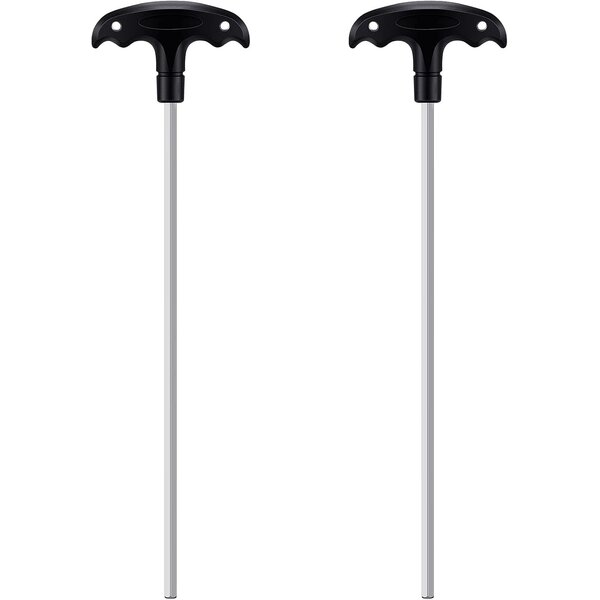
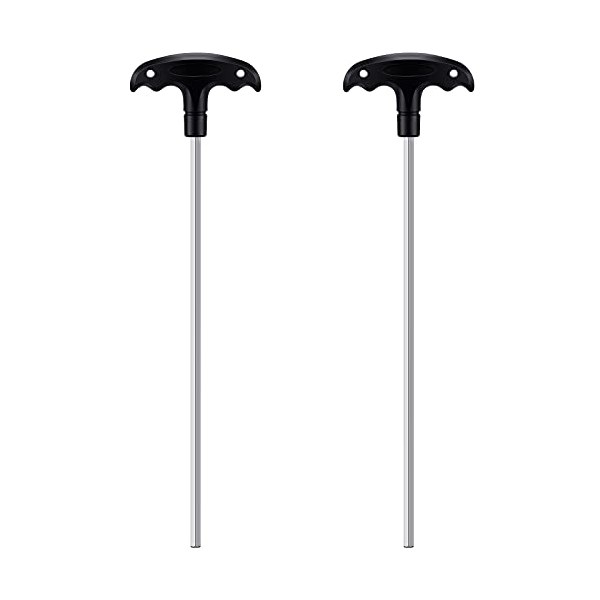 Pool Safety Cover Hex Key Tool (2-Pack)
Hex keys to install or remove a pool safety cover. View on Amazon →
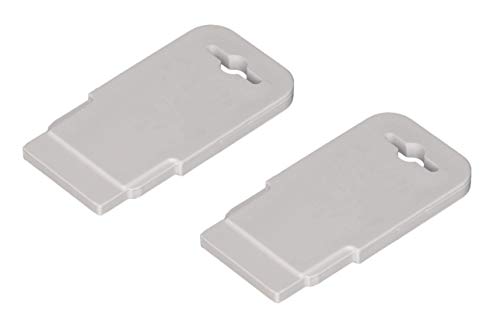 Pool Eyeball / Return Jet Fitting Removal Tool (ATIE)
Pops out & reseats Hayward SP1419 return-jet eyeballs — handy for closing. View on Amazon →
 Taylor K-2006C Complete FAS-DPD Pool & Spa Test Kit
The FAS-DPD kit pool pros trust — reads chlorine accurately even at shock/SLAM levels, plus pH, alkalinity, calcium hardness and CYA. View on Amazon →
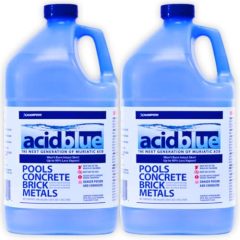 Acid Blue - Low Fume Muriatic Acid for Swimming Pools & Spas - Lower's pH, Reduces Alkalinity - 2 Gallon
View on Amazon →
Still need help? Ask a Pool & Spa Expert AD
Get a personalized answer from PoolGuy810 — 30 years owning a pool and spa repair company. Describe your issue and get step-by-step help.
Related Pool Guides
Need More Help?
Try our free pool calculators and tools to help diagnose and fix your pool problems.
Browse Pool ToolsSLAM calculator, pH calculator, salt dosing & more