
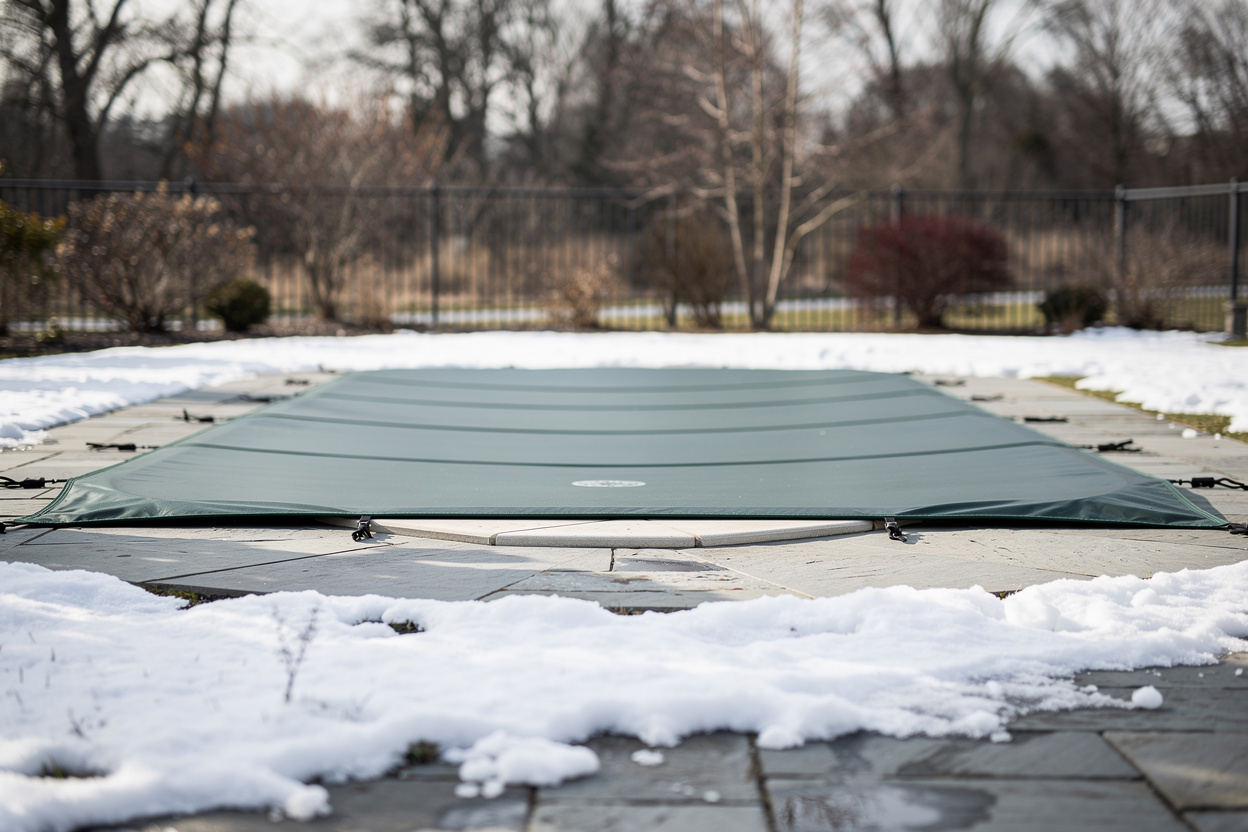
How Long to Run Pump After Winterizing Chemicals

How long do I run the pump after adding winterizing chemicals?
Read full question
My closing chemicals are already in the water — algaecide and stain preventer went in this morning — and now I'm ready to drain the equipment lines and button everything up for winter. The one thing I'm not clear on is how long the pump needs to keep running before I pull the plugs and call it done. Do I let it circulate for an hour, run it overnight, or leave it going for a full day? I want to make sure those chemicals are actually distributed throughout the pool before I shut the system down, not just floating in one spot all winter.
Quick Answer
Run your pump for at least 8 hours after adding winterizing chemicals, but 24 hours is the safer target to ensure full circulation and distribution before you drain the equipment. Don't skip this step — chemicals sitting undispersed can cause localized staining or imbalanced water over the winter months.
Run It Longer Than You Think — Here's the Short Answer
To complete this task effectively today, plan on running your pump for at least 8 hours without interruption after adding the last chemicals. A more effective target is a 24-hour continuous run. Longer than a day buys nothing extra; follow the kit label if it gives its own circulation time. Running the pump for only one or two hours is insufficient; algaecides and metal sequestrants require ample time to circulate to all areas of the pool, including remote corners and the deep end.
Why Circulation Time Actually Matters at Closing
Chemicals like algaecide and stain preventer do not mix uniformly on their own. The pump and return jets are responsible for distributing the water and the treatments it contains to the entire pool volume. Stopping the pump prematurely can result in uneven chemical levels: overly concentrated near the jets and nearly absent in distant areas or on the pool floor. This imbalance is critical during the extended winter period. Surfaces that the stain preventer did not reach remain unprotected, and poorly distributed algaecide reduces the overall effectiveness of the winterizing treatment.
This underscores the importance of following the correct procedure. Our pool winterization guide details the complete closing sequence, including the timing for each chemical addition relative to shutting down the pump.
What the Experts Actually Recommend
- Minimum: One full filtration cycle, meaning the time required to circulate your pool's total water volume once. This duration depends on your pool's size and pump flow rate. While 8 hours is a standard baseline for many home pools, you should calculate your actual turnover time using your pump's GPM rating and your pool's volume.
- Better: 8–24 hours of continuous operation following the final chemical addition.
Your pool's specific volume is a key factor. Turnover time can differ significantly between a small above-ground pool and a large inground pool. Determine your precise turnover time by using our pool volume calculator in conjunction with your pump's GPM specification.
Before You Pull the Plugs, Do This
After completing the circulation period, do not simply turn off the pump. Use the final portion of the run time to perform maintenance: backwash a sand or DE filter, or rinse off a cartridge filter. Starting winter with clean filter media prevents debris from decomposing inside the filter tank over several months.
Next, after the pump is off and the equipment is drained, perform a final water test. Confirm that your pH, alkalinity, and calcium hardness levels are within the recommended ranges before installing the cover. Water that is chemically unbalanced at closing can lead to corrosion or scale formation during the winter when regular testing is not possible. Refer to our complete water chemistry guide for the target levels to achieve before closing.
A Note on Variable-Speed Pumps
If you own a variable-speed pump, you can operate it on a low or medium setting rather than full speed. Ensure, however, that the selected speed provides adequate flow to circulate water throughout the entire pool and not just a minimal trickle through the filter. If your low-speed setting results in a very low GPM output, you may need to increase the run time accordingly or raise the pump speed.
The Bottom Line for Your Situation
You've added your chemicals this morning, which is ideal timing. If possible, set your pump to run continuously through tonight and into tomorrow morning. That gives you a full day of circulation, which is as much as the chemicals need. You can then proceed to drain the equipment, blow out the plumbing lines if you are in a freeze-prone climate, install your winterizing pillow and cover, and finish the job. The principle is straightforward: allow the pump to do its work by letting it run for the recommended duration.
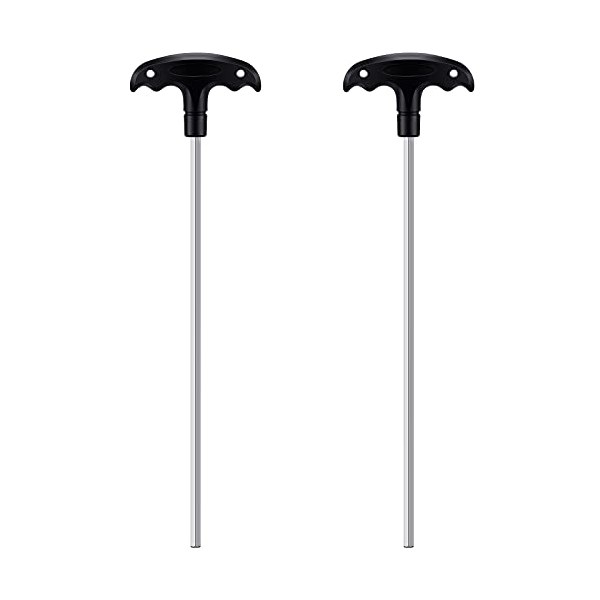 Pool Safety Cover Hex Key Tool (2-Pack)
Hex keys to install or remove a pool safety cover. View on Amazon →
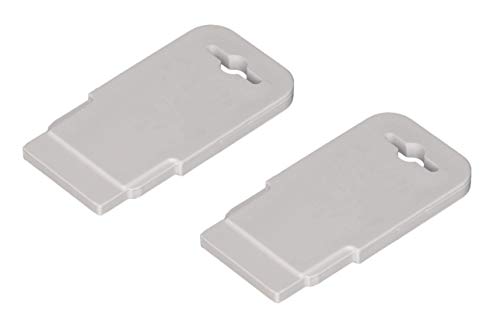 Pool Eyeball / Return Jet Fitting Removal Tool (ATIE)
Pops out & reseats Hayward SP1419 return-jet eyeballs — handy for closing. View on Amazon →
 Taylor K-2006C Complete FAS-DPD Pool & Spa Test Kit
The FAS-DPD kit pool pros trust — reads chlorine accurately even at shock/SLAM levels, plus pH, alkalinity, calcium hardness and CYA. View on Amazon →
Still need help? Ask a Pool & Spa Expert AD
Get a personalized answer from PoolGuy810 — 30 years owning a pool and spa repair company. Describe your issue and get step-by-step help.
Related Pool Guides
Need More Help?
Try our free pool calculators and tools to help diagnose and fix your pool problems.
Browse Pool ToolsSLAM calculator, pH calculator, salt dosing & more