Results for "calcium hardness"
552+ Answers 2 New Today Free
Water Chemistry Medium 15-20 minutes 70

Complete Pool Water Chemistry Guide - Chlorine, pH & Balance

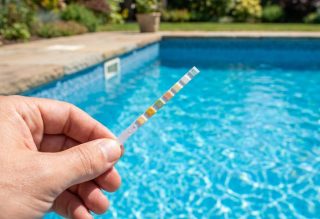
Pool water chemistry involves maintaining proper levels of chlorine (1-3ppm based on CYA), pH (7.4-7.6), alkalinity (60-120ppm), and calcium hardness (250-350ppm for plaster). Regular testing with quality kits and proper chemical dosing ensures safe, clear water.

Water Chemistry Easy 4 hours 36

Can I Shock Pool After Adding Calcium? Safe Timing Guide

Yes, you can shock your pool after adding calcium hardness increaser. Wait 2-4 hours for the calcium to fully circulate and dissolve before adding shock to prevent chemical interactions and ensure even distribution.

Salt Water Medium 30 minutes 35

Do Salt Water Pools Need Chemicals? Complete Guide

Salt water pools still require chemicals for proper water balance, including pH adjusters, stabilizer, and calcium hardness increasers. The salt chlorine generator only produces chlorine, not other essential chemicals needed for safe swimming water.

Water Chemistry Medium 30 minutes 33

Do Vinyl Pools Need Calcium Hardness? Complete Guide

Yes, vinyl pools need calcium hardness maintained between 150-250 ppm to prevent equipment corrosion and water balance issues. This is lower than plaster pools which need 250-350 ppm.

Water Chemistry Easy 4 hours 22

Can I Swim After Adding Calcium to Pool? Safe Wait Times

You can typically swim 2-4 hours after adding calcium hardness increaser, once it's fully dissolved and circulated. Always test calcium hardness levels and ensure proper water balance before swimming.

Water Chemistry Easy 30 minutes 21

Do Liner Pools Need Calcium? Complete Guide for Vinyl Pools

Yes, liner pools need calcium hardness maintained between 150-300 ppm for proper water balance and equipment protection. While vinyl liners don't require as much calcium as plaster pools, maintaining adequate levels prevents corrosive water conditions.

Maintenance Medium 45 minutes 20

Pool Chemistry Points System - Water Balance Made Simple

IHG points are hotel rewards, not pool-related. However, pool water balance involves key chemistry points: pH (7.4-7.6), free chlorine based on CYA levels, total alkalinity (80-120), and calcium hardness (250-350 for plaster).

Water Chemistry Easy 30 minutes 19

Do Fiberglass Pools Need Calcium? Complete Guide 2024

Fiberglass pools need calcium hardness maintained between 150-300 ppm for proper water balance and equipment protection. Lower levels than plaster pools are acceptable since fiberglass doesn't dissolve like concrete surfaces.

Salt Water Medium 30 minutes 19

Do Saltwater Pools Need Chemicals? Yes - Here's What You Need

Yes, saltwater pools still need chemicals including pH adjusters, alkalinity increasers, stabilizer, and calcium hardness increasers. The salt chlorine generator only produces chlorine - you must manually balance all other water chemistry parameters.

Salt Water Medium 45 minutes 17

Do Saltwater Pools Need Calcium? Complete Guide to CH Levels

Yes, saltwater pools absolutely need calcium hardness maintained between 200-400 ppm depending on surface type. Low calcium can damage equipment and surfaces, while high levels cause scaling on the salt cell.

Water Chemistry Easy 2-4 hours 16

How Long After Adding Calcium Hardness Can You Swim?

You can typically swim 2-4 hours after adding calcium hardness increaser, provided the pool has circulated properly and the chemical has fully dissolved. Always test and balance other chemistry levels first.

Water Chemistry Medium 45 minutes 15

Do All Pools Need Calcium? Pool Water Chemistry Guide

Not all pools need calcium at the same levels. Plaster pools require 250-350 ppm calcium hardness to prevent etching, while vinyl and fiberglass pools need lower levels around 150-250 ppm to avoid scale buildup and equipment damage.

Water Chemistry Medium 2-4 hours 15

Do Vinyl Pools Need Calcium? Complete CH Guide 2024

Vinyl pools do need calcium hardness, but at lower levels than plaster pools - typically 150-300 ppm compared to 250-350 for plaster. Too low causes corrosion, too high causes scaling and cloudy water.

Water Chemistry Medium 45 minutes 15

Do Pools Need Calcium? Complete Hardness Level Guide

Yes, pools need calcium to prevent equipment damage and surface deterioration. Ideal calcium hardness levels are 250-350 ppm for plaster pools and 150-300 ppm for vinyl/fiberglass pools.

Feedback