
Can Pool Heater and Pump Share Same Circuit? Safety Guide
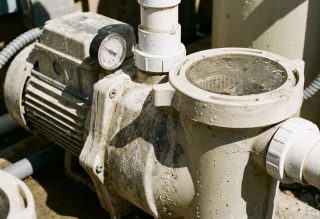
Pool heaters and pumps should never be on the same circuit due to high amperage requirements that would overload the circuit and create safety hazards.
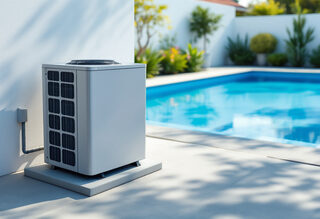
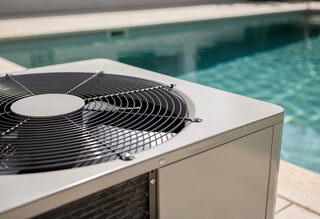
Pool heaters are built to withstand moisture and humidity but should be protected from direct rain, flooding, and submersion. Proper installation with adequate clearances and covers ensures safe operation and longevity.
Pool heating time depends on heater type, pool size, and temperature difference. Gas heaters typically raise temperature 1-2°F per hour, while heat pumps achieve 3-5°F per hour on smaller pools.
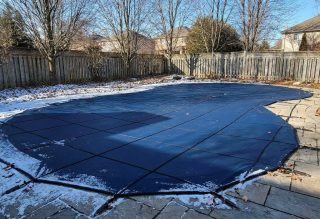
Yes, you should cover your pool heater in winter if it's not being used, especially for heat pumps and electric heaters. Gas heaters typically need less protection but benefit from covers in harsh climates.
Solar pool heaters work by circulating pool water through dark collectors that absorb solar energy and transfer heat to the water. The heated water returns to your pool through a system of pumps, valves, and controllers.
Variable speed pool pumps can save 50-90% on energy costs compared to single speed pumps and are required by law in many areas. They're worth the investment for most pool owners despite higher upfront costs.
Yes, you absolutely need to winterize your pool heater if temperatures drop below 40°F in your area. Failing to properly winterize can cause expensive freeze damage to internal components and plumbing lines.
To measure pool length, use a measuring tape from the waterline at one end to the other, measuring the longest straight distance. For irregular pools, measure multiple sections and add them together.
Pool heaters typically last 5-8 years for gas, 8-12 years for electric, and 10-20 years for heat pumps, depending on maintenance, usage, and water chemistry balance.
You need a pool heater if you want to swim comfortably outside of summer months, live in a climate with cool nights, or have family members who prefer warmer water temperatures above 78-82°F.
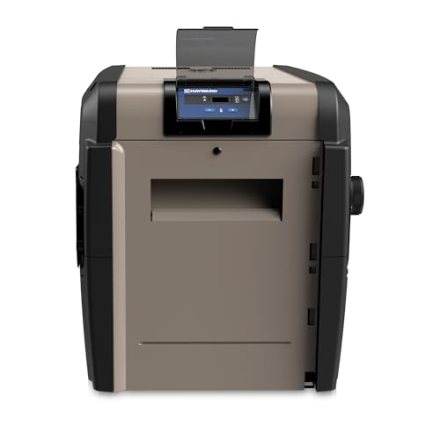
Pool heaters work by transferring heat to pool water through different methods: gas heaters burn fuel to heat water directly, electric heaters use resistance coils, heat pumps extract ambient heat from air, and solar heaters use sun energy to warm water as it circulates through collectors.
Pool heaters work by transferring heat to pool water through different methods: gas heaters burn fuel to heat water directly, electric heaters use resistance coils, and heat pumps extract heat from ambient air to warm pool water efficiently.
Yes, salt water pools can absolutely be heated using gas heaters, electric heaters, heat pumps, or solar systems. The salt water generator doesn't interfere with heating systems, but you may need corrosion-resistant components.
Pool heater lifespans vary by type: gas heaters last 8-12 years, electric resistance heaters 15-20 years, and heat pumps 10-15 years. Proper maintenance and usage patterns significantly impact longevity.
Pool heaters in Canada typically last 7-15 years depending on the type, with gas heaters averaging 10-12 years and heat pumps lasting 12-15 years. Proper maintenance and winterization can significantly extend their lifespan.