
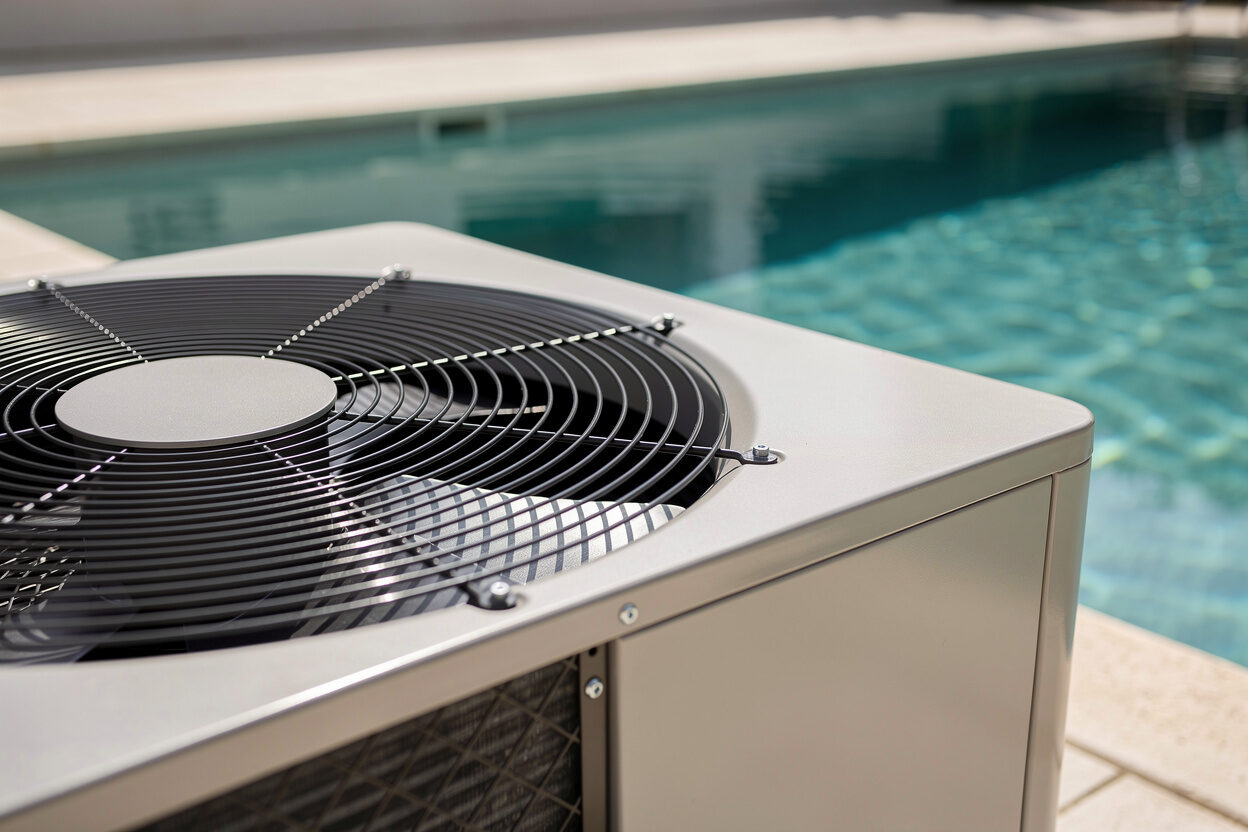
Electric Pool Heaters: Types, Costs & Installation Guide

Are there electric options for heating my pool water?
Read full question
I woke up to three completely different electric pool heater recommendations for my 20,000 gallon inground pool and now I'm more confused than ever. Some pool stores are pushing gas heaters hard, saying they're the only real option, but I don't have a gas line to my equipment pad and running one would be expensive. My neighbor mentioned something about electric heaters but wasn't sure if they actually work well. I've been researching online but getting mixed messages about whether electric pool heaters are even a viable option. Are electric pool heaters a real thing that actually work, or am I stuck having to run a gas line?
Quick Answer
Electric pool heaters are absolutely a viable option, with heat pumps being the most efficient choice for most climates. Electric resistance heaters and hybrid systems also provide excellent alternatives to gas heating.
Electric Pool Heating: Your Complete Options
You absolutely have excellent electric heating options for your pool! In fact, many pool owners prefer electric systems for their reliability, lower maintenance requirements, and consistent performance. Let me walk you through the main types and help you determine the best approach for your situation.
Step 1: Understanding Electric Heat Pump Systems
Heat pumps are typically your best electric option. These systems work by extracting heat from the ambient air and transferring it to your pool water - think of them as air conditioners running in reverse. They're incredibly efficient, typically using significantly less electricity than resistance heaters to produce the same amount of heat.
- Verify your electrical capacity: Most heat pumps require 220V service and draw 15-50 amps depending on size - verify electrical requirements for your specific model - consult a qualified electrician for proper electrical assessment
- Consider your climate: Heat pumps work best when air temperatures are above 45-50°F (verify operating range for your specific model)
- Calculate your pool size needs: You'll typically need roughly 80,000-120,000 BTU capacity for a 20,000 gallon pool (about 4 BTU per gallon for summer, 5 BTU per gallon for spring/fall), though exact sizing depends on climate and your desired temperature rise - verify with manufacturer
- Plan for installation space: Heat pumps need 2-3 feet of clearance on all sides for proper airflow - consult manufacturer specifications for your specific model
Step 2: Electric Resistance Heaters as an Alternative
Electric resistance heaters work like giant water heater elements, directly heating the water as it passes through. Whichever heater you pick, the right setpoint matters most: see our guide to the ideal pool temperature. While less efficient than heat pumps, they have some distinct advantages:
- Work in any weather: Unlike heat pumps, cold air doesn't affect their performance
- Predictable in cold weather: Heat output doesn't drop as the air temperature falls — but note resistance units are generally best for small pools or spas and occasional quick heating, not large-volume whole-pool heating
- Compact size: Take up much less space than heat pumps
- Lower upfront cost: Generally cost less to purchase initially
The main drawback is operating cost - resistance heaters typically cost significantly more to operate than heat pumps in moderate climates.
Step 3: Evaluating Hybrid and Solar-Electric Options
You might also consider combining electric heating with other methods:
- Solar with electric backup: Solar collectors handle most heating needs, with electric backup for cloudy periods
- Heat pump with resistance backup: Heat pump for normal operation, resistance heater for rapid heating or very cold weather
- Pool covers with smaller heaters: A quality pool cover can substantially reduce your heating requirements
Step 4: Installation Requirements and Electrical Considerations
ELECTRICAL SAFETY: Always turn off power at the breaker before any electrical work. All electrical installations must be performed by a licensed electrician and meet local electrical codes.
Before moving forward, you'll need to assess your electrical service:
- Most electric heaters require dedicated 220V circuits
- Heat pumps typically need 30-60 amp breakers depending on size. Resistance heaters may need 60-100 amp service for larger units - verify requirements for your specific model
- You may need an electrical panel upgrade if your current service is insufficient
I'd recommend having a qualified electrician evaluate your current electrical capacity before selecting a specific unit. Many pool equipment suppliers can coordinate this evaluation as part of their installation process.
Making Your Decision: Climate and Cost Factors
For most pool owners, I'd recommend starting with a properly sized heat pump. They offer the best balance of performance, efficiency, and operating costs. Here's how to think through your specific situation:
Choose a heat pump if: You live in a moderate climate (regular temperatures above 50°F during pool season (verify minimum operating temperature for your specific heat pump model), want the lowest operating costs, and have adequate space around your equipment pad.
Consider resistance heating if: You live in a colder climate, need very fast heating capability, have limited space, or want the lowest upfront investment.
The pool stores pushing gas may not be wrong about performance - gas heaters do heat quickly and work in any weather. But electric options, particularly heat pumps, often provide better long-term value and definitely solve your gas line problem. Many pool owners report being very satisfied with their electric heating systems once properly sized and installed.
Still need help? Ask a Pool & Spa Expert AD
Get a personalized answer from PoolGuy810 — 30 years owning a pool and spa repair company. Describe your issue and get step-by-step help.
Related Pool Guides
Need More Help?
Try our free pool calculators and tools to help diagnose and fix your pool problems.
Browse Pool ToolsSLAM calculator, pH calculator, salt dosing & more