
Can Pool Heater Run Without Pump? Safety & Equipment Guide

Should I run my pool heater when the circulation pump is turned off?
Read full question
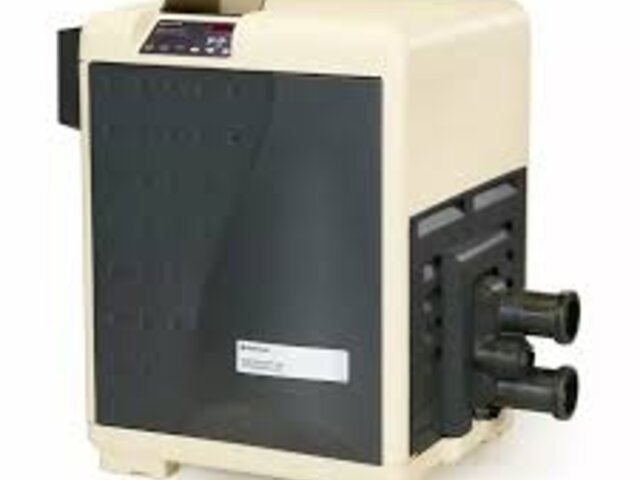
Last night at 11 PM I discovered my 2019 Pentair natural gas heater still running on my 20,000 gallon pool with the circulation pump off for maintenance. The heater seemed to be firing normally, but obviously no water was moving through the system. I quickly shut it down, but now I'm wondering if I could have damaged something. Is it ever safe to operate a pool heater without the pump running, or should these systems always work together?
Quick Answer
Pool heaters should never operate without circulation pumps running, as this causes dangerous overheating and equipment damage. Proper heater installations include safety interlocks that prevent firing without adequate water flow.
The Critical Connection Between Heaters and Circulation
Pool heaters do fail from age, scale, and corrosion over time—but one avoidable cause of damage is running the heater without the pump circulating water through it. When a heater operates without water circulation, it creates a dangerous situation that can lead to equipment damage, safety hazards, and expensive repairs.
Why Water Flow Is Essential for Heater Operation
Your pool heater generates significant thermal energy that must be continuously carried away by moving water. Without circulation, several critical problems occur immediately:
- Heat exchanger overheating: The metal components inside your heater can quickly reach dangerous temperatures
- Thermal shock damage: Rapid temperature changes can crack heat exchanger tubes or headers
- Pressure relief valve activation: Safety systems may trigger to prevent catastrophic failure
- Internal component warping: Excessive heat can permanently deform crucial parts
Safety Systems That Should Prevent This Scenario
Modern pool heaters include multiple safety interlocks designed to prevent operation without adequate flow:
Pressure Switch Protection
Most heaters have a pressure switch that senses water flow through the system. When the pump stops, water pressure drops, and this switch should immediately shut down the heater. If your heater continued running with the pump off, the switch hasn't necessarily failed: a heater installed below the pool's water line can have its pressure switch held closed by static water pressure even with no flow. This is exactly why manufacturers such as Pentair recommend adding a dedicated flow switch (wired in series with the pressure switch) when the heater sits below the waterline.
Flow Switch Integration
Some installations include dedicated flow switches that detect actual water movement rather than just pressure. These provide more reliable protection against no-flow conditions.
Temperature Limit Controls
High-temperature limit switches serve as a backup safety measure, shutting down the heater if internal temperatures exceed safe thresholds.
Troubleshooting Your Heater's Safety Systems
If your heater operated without pump circulation, you'll need to diagnose why the safety systems failed:
Check the Pressure Switch
The pressure switch is typically located on the heater's inlet plumbing (location may vary by model). With the pump running, you should typically hear or feel this switch activate (verify operation method for your specific unit). If it's not responding to pressure changes, replacement is necessary.
Inspect Bypass Valves
Some pool systems have bypass valves that can create enough residual pressure to fool pressure switches even when the main pump isn't running. Verify all valves are properly positioned for normal operation.
Examine Electrical Connections
Loose or corroded wiring to safety switches can cause them to malfunction. Check all electrical connections to pressure switches and flow sensors.
Proper Heater and Pump Coordination
For safe operation, your system should follow this sequence every time:
- Circulation pump starts and establishes full flow
- Pressure or flow switch closes, enabling heater operation
- Heater can now safely ignite when heat is called for
- When pump stops, safety switches immediately shut down heater
I'd recommend consulting our complete water chemistry guide to understand how proper circulation affects chemical distribution when your heater is running.
Signs Your Heater May Have Sustained Damage
After running without circulation, watch for these warning signs during future operation:
- Unusual noises like popping or crackling sounds
- Visible corrosion or discoloration around heat exchanger connections
- Reduced heating efficiency or longer warm-up times
- Water chemistry issues due to localized overheating
- Error codes or frequent safety shutdowns
Immediate Steps to Take
Before operating your heater again, you'll want to:
- Have a qualified pool heater technician inspect the heat exchanger for damage - gas heater repairs require professional expertise for safety
- Test all safety switches and interlocks
- Verify proper pressure switch operation with pump cycling
- Check for any signs of thermal damage to internal components
The investment in a professional inspection now can prevent much more expensive repairs or complete heater replacement later. Remember, thermal damage often isn't immediately visible but can cause gradual deterioration over time.
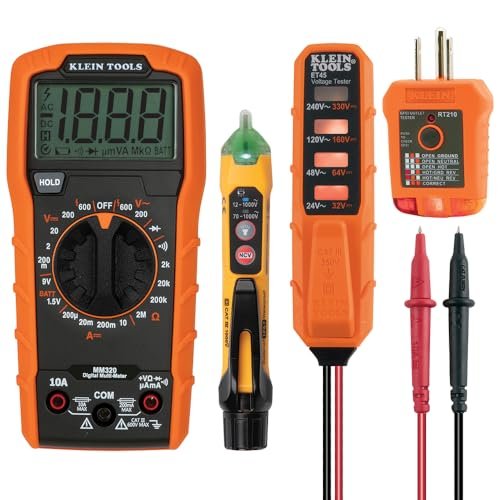 Klein Tools MM320KIT Digital Multimeter Kit
For troubleshooting pump-motor voltage, continuity, and capacitor faults. View on Amazon →
Klein Tools MM320KIT Digital Multimeter Kit
For troubleshooting pump-motor voltage, continuity, and capacitor faults. View on Amazon →
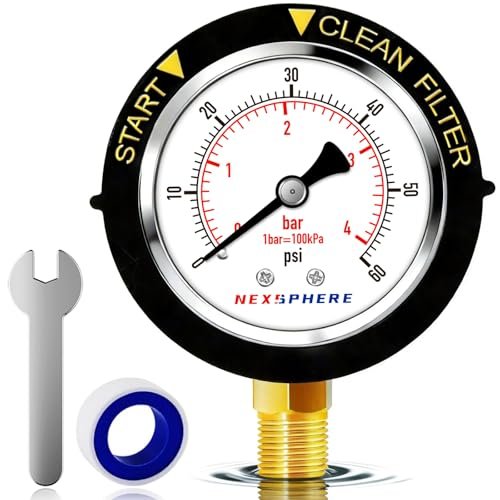 NexSphere Pool Filter Pressure Gauge, 0–60 PSI, 2 in Dial
Replacement back-mount gauge so you can read filter pressure and know when to backwash. View on Amazon →
NexSphere Pool Filter Pressure Gauge, 0–60 PSI, 2 in Dial
Replacement back-mount gauge so you can read filter pressure and know when to backwash. View on Amazon →
Still need help? Ask a Pool & Spa Expert AD
Get a personalized answer from PoolGuy810 — 30 years owning a pool and spa repair company. Describe your issue and get step-by-step help.
Related Pool Guides
Need More Help?
Try our free pool calculators and tools to help diagnose and fix your pool problems.
Browse Pool ToolsSLAM calculator, pH calculator, salt dosing & more