
Do I Need to Winterize My Pool Heater? Complete Guide

Should I winterize my pool heater or just leave it be?
Read full question
Woke up dreading winterizing season because my old gas heater routine was foolproof — but this new heat pump has me completely lost. We definitely get some cold snaps here where temps drop into the 30s and sometimes lower.
I've heard horror stories about equipment getting damaged over winter, but I'm not sure if that's just pool store scare tactics or if there's real risk. What's the worst that could happen if I skip the winterizing process? Just trying to figure out if this is one of those "nice to do" things or absolutely essential.
Quick Answer
Yes, you absolutely need to winterize your pool heater if temperatures drop below 40°F in your area. Failing to properly winterize can cause expensive freeze damage to internal components and plumbing lines.
Why Pool Heater Winterization is Critical
Pool heaters are particularly vulnerable to freeze damage because they contain numerous water passages, heat exchangers, and plumbing connections. When water freezes, it expands by approximately 9%, creating enough pressure to crack metal pipes, damage heat exchangers, and destroy internal components. This is true for all heater types including gas, electric, and heat pump units.
The most common freeze damage occurs in the heat exchanger, which can cost $800-2,000 to replace depending on your heater model. Water lines, unions, and pressure switches are also frequently damaged, adding to repair costs.
When to Winterize Your Pool Heater
Begin winterization when nighttime temperatures consistently drop below 40°F, even if daytime temperatures remain warm. Many pool owners make the mistake of waiting until the first hard freeze, and a margin below freezing is wise because overnight lows often overshoot the forecast and air-temperature sensors lag behind actual pipe temperatures.
If you're closing your pool completely, winterize the heater as part of your overall closing process. For pools remaining open during winter, you can winterize just the heater while keeping the rest of your system operational.
Gas Pool Heater Winterization Process
Safety Preparation
Turn off the gas supply at the heater's gas shutoff valve. Wait at least 10 minutes for any residual gas to dissipate before beginning work. Ensure the heater has been off for several hours so internal components are cool.
Electrical Disconnection
Turn off the electrical breaker supplying power to the heater. Most gas heaters have electronic ignition systems and control boards that should be protected from power surges during winter months.
Water System Drainage
Remove the drain plugs located at the bottom of the heater housing. Most Pentair, Hayward, and Raypak heaters have 2-4 drain plugs. Store these plugs in the equipment area so you don't lose them. Open the pressure relief valve if your unit has one to ensure complete drainage.
Disconnect the water supply and return lines at the heater unions. This prevents any water from flowing back into the unit from the pool plumbing. Use compressed air or a wet/dry vacuum with blower function to blow out any remaining water from the heat exchanger and internal passages.
Additional Protection
Cover the heater with a waterproof cover designed for your specific model, or use a tarp secured with bungee cords. Ensure ventilation openings remain unobstructed to prevent moisture buildup and corrosion.
Electric and Heat Pump Heater Winterization
Electric resistance heaters and heat pump units require similar winterization steps with some important differences. These units often have more complex refrigeration systems (in heat pumps) that require special attention.
For heat pump units, ensure the refrigeration system's outdoor components are protected from debris and ice buildup. The water circulation system is drained using the same process as gas heaters, but pay special attention to the titanium heat exchanger, which can be damaged by freezing.
Electric resistance heaters can suffer cracked housings or manifolds if water freezes inside the unit (the metal elements themselves rarely crack). Ensure complete drainage of all water from the heater vessel and surrounding plumbing.
Regional Considerations
In moderate climates where temperatures only occasionally drop below freezing, you may not need full winterization. However, you should still drain the heater and disconnect water lines during cold snaps. Some pool owners in these areas install freeze protection systems that automatically circulate water when temperatures drop.
In northern climates with extended freezing periods, complete winterization is essential. Consider having your heater professionally serviced in fall to address any issues before winter storage.
Spring Startup Preparation
Proper winterization makes spring startup much easier. Before restarting your heater, reinstall all drain plugs with new gaskets or O-rings. Reconnect water lines and slowly fill the system, checking for leaks at all connections.
Have the gas connections inspected by a qualified technician and check for gas leaks before first use. Many manufacturers require annual inspections to maintain warranty coverage.
Common Winterization Mistakes
The biggest mistake is assuming that running the heater occasionally during winter prevents freeze damage. If water sits in the system between uses, it can still freeze. Either keep water circulating with your pump (the standard freeze-protection method) or winterize the heater completely. Note that a heat pump cannot be run for heat below about 50°F, so for heat pumps, freeze protection means running the circulation pump—not the heater.
Another common error is forgetting to drain auxiliary components like bypass valves and pressure switches. These small components are expensive to replace and frequently overlooked during drainage.
Never use antifreeze in pool heaters unless specifically designed for the purpose. Automotive antifreeze is toxic and can damage heater components.
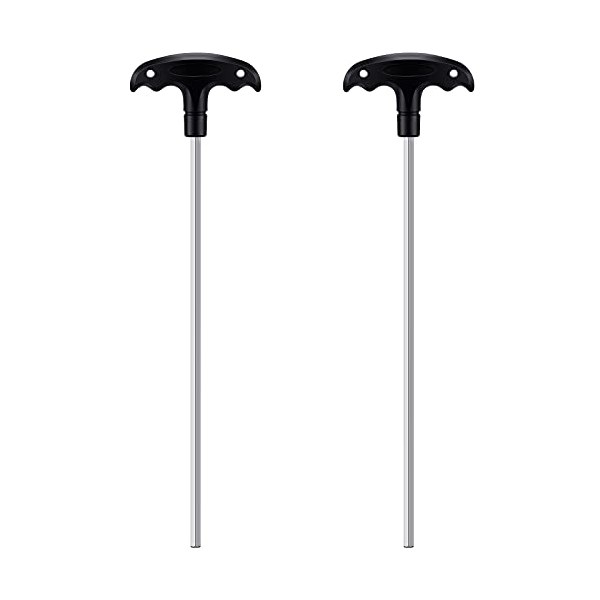 Pool Safety Cover Hex Key Tool (2-Pack)
Hex keys to install or remove a pool safety cover. View on Amazon →
Pool Safety Cover Hex Key Tool (2-Pack)
Hex keys to install or remove a pool safety cover. View on Amazon →
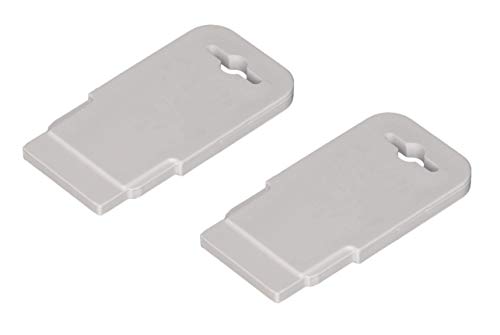 Pool Eyeball / Return Jet Fitting Removal Tool (ATIE)
Pops out & reseats Hayward SP1419 return-jet eyeballs — handy for closing. View on Amazon →
Pool Eyeball / Return Jet Fitting Removal Tool (ATIE)
Pops out & reseats Hayward SP1419 return-jet eyeballs — handy for closing. View on Amazon →
Still need help? Ask a Pool & Spa Expert AD
Get a personalized answer from PoolGuy810 — 30 years owning a pool and spa repair company. Describe your issue and get step-by-step help.
Related Pool Guides
Need More Help?
Try our free pool calculators and tools to help diagnose and fix your pool problems.
Browse Pool ToolsSLAM calculator, pH calculator, salt dosing & more