
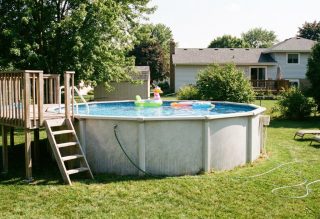
How to Install Above Ground Pool Liner Yourself - DIY Guide
Yes, you can install an above ground pool liner yourself with the right tools and patience. The process typically takes 4-6 hours and requires 2-3 people for best results.
Above ground pool liners typically last 6-10 years, with premium vinyl liners potentially lasting up to 15 years. Proper water chemistry, UV protection, and maintenance significantly extend liner life.
Above ground pool installation requires proper site preparation, level ground, and careful assembly of walls, liner, and equipment. Most installations take 6-12 hours with proper planning and tools.
Above ground pools require proper installation on level ground, regular liner maintenance (lasting 6-10 years), and balanced water chemistry with chlorine levels based on CYA. This comprehensive guide covers everything from DIY installation to winterization and troubleshooting common issues.
Yes, above ground pools absolutely need a liner to hold water and protect the pool structure. The liner creates a waterproof barrier and should be replaced every 5-9 years depending on usage and maintenance.
Above ground pool liners typically last 5-9 years depending on quality, maintenance, and environmental factors. Premium vinyl liners with proper chemical balance and UV protection can reach the upper end of this range.
Not all pools need liners. Above-ground pools and vinyl inground pools require liners, while concrete, fiberglass, and natural pools typically don't need traditional vinyl liners.
Most inground pools don't need liners - concrete/gunite and fiberglass pools have built-in surfaces. Only vinyl inground pools require liners, which need replacement every 8-12 years.
Pool liners typically last 6-12 years for above-ground pools, with vinyl liners averaging 8-10 years. Proper water chemistry, UV protection, and regular maintenance can significantly extend liner lifespan.
Pool liners can sometimes be reused if they're in good condition, less than 5 years old, and removed carefully without tears or significant stretching. However, reusing liners carries risks and often isn't cost-effective.
Yes, vinyl pool liners can be recycled through specialized programs, though standard curbside recycling won't accept them. Most manufacturers offer take-back programs, and some waste management companies have vinyl recycling options.
Yes, you can drain above ground pools, but it requires careful planning and proper equipment. Use a submersible pump or siphon method, and never drain during high winds or when the liner is brittle from cold weather.
Yes, above ground pools can be converted to salt water, but you need to verify liner compatibility, install a properly sized salt water generator, and maintain CYA levels between 70-80 ppm for optimal performance.
Inground pool liners typically last 10-15 years with proper care, though high-quality vinyl liners can extend to 20 years. Lifespan depends on water chemistry balance, sun exposure, and maintenance practices.
Yes, pool liners can be repaired using underwater patch kits for small holes and tears, or professional replacement for major damage. Most repairs can be done while the pool is full of water.