
Do Pools Need Liners? Complete Guide for All Pool Types

Which pool types need liners vs which don't?
Read full question
Noticed my pool contractor is pushing a $3,000 liner upgrade during installation — is this actually necessary or just an expensive upsell? Some people say all pools need them, others say only certain types do.
What's the actual rule here? Which pools require liners and which use something else instead?
Quick Answer
Not all pools need liners - it depends on your pool type. Above-ground pools require vinyl liners for waterproofing, while concrete pools use plaster finishes instead of traditional liners. Maintaining proper water chemistry, especially pH and free chlorine, matters for liner longevity (calcium hardness is not critical for vinyl liners). The all-in-one pool calculator helps estimate the free chlorine levels based on CYA.
Pool Types and Liner Requirements
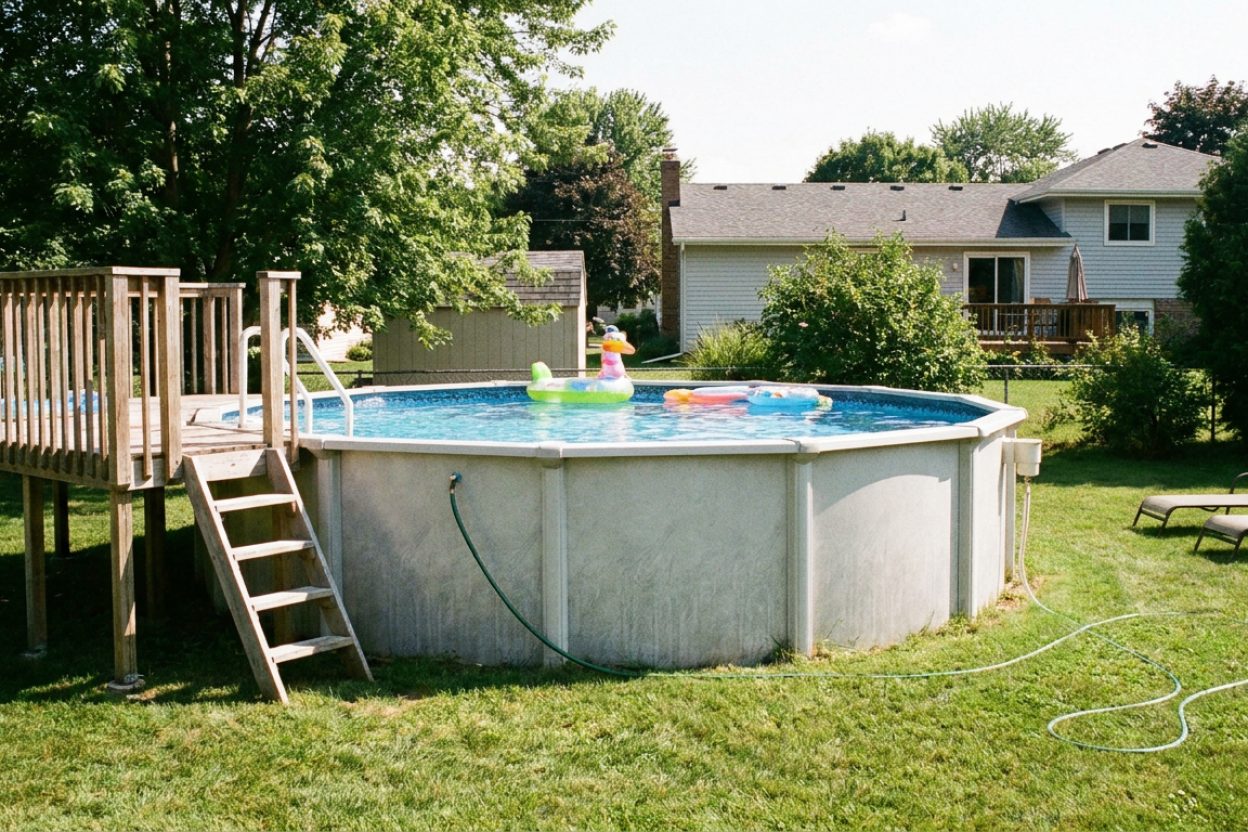
Above-Ground Pools - Liner Required
Above-ground pools must have vinyl liners to function properly. The liner serves multiple critical purposes:
- Creates a waterproof barrier between pool water and the metal or resin walls
- Prevents corrosion of metal wall panels from direct water contact
- Provides a smooth, comfortable surface for swimmers
Without a liner, an above-ground pool cannot hold water. The metal walls are designed to work in conjunction with the liner - they provide structure while the liner provides waterproofing. Attempting to operate an above-ground pool without a liner will result in immediate water loss and potential structural failure.
In-Ground Vinyl Liner Pools - Liner Required
In-ground vinyl liner pools are built with walls made of steel, polymer, or concrete blocks, but they rely on vinyl liners for waterproofing. These pools are popular due to their lower initial cost compared to concrete pools, with market share varying significantly by region.
The liner in these pools serves similar functions to above-ground pool liners but must be more robust to handle ground pressure and potential sharp objects. Premium liners for in-ground pools typically range from 20-30 mil thickness.
Concrete Pools - No Traditional Liner
Concrete pools (gunite or shotcrete) don't use vinyl liners. Instead, they rely on:
- Plaster finish - the most common interior surface
- Aggregate finishes like pebble or quartz
- Tile surfaces in some cases
- Painted concrete surfaces (less common)
The concrete shell with its waterproof finish provides the water barrier, creating a swimmer-friendly surface that maintains proper water chemistry balance.
Fiberglass Pools - Integrated Shell
Fiberglass pools come as one-piece molded shells that don't require liners. The gel coat surface is integral to the fiberglass structure and provides both waterproofing and a smooth finish.
When Liners Need Replacement
Signs Your Pool Liner Needs Replacement
Pool liners don't last forever. Watch for these warning signs:
- Water loss: Consistent water level drops indicate tears or worn seams
- Fading and brittleness: UV damage makes liners prone to tearing
- Wrinkles and stretching: Indicates the liner has lost elasticity
- Staining: Permanent stains that cleaning cannot remove
- Age: Most vinyl liners last 8-12 years with proper care
Liner Replacement Process
Replacing a pool liner requires draining the pool completely and typically takes 1-3 days:
- Drain pool completely and clean the walls and floor
- Inspect wall structure for damage or sharp edges
- Install new liner, starting at one end and working systematically
- Begin filling while adjusting liner position to prevent wrinkles
- Trim excess liner material once pool is partially full
- Complete filling and balance water chemistry
Maintaining Pool Liners
Proper Water Chemistry
Maintaining proper water chemistry is crucial for liner longevity:
- pH: Keep between 7.4-7.6 (acceptable 7.2-7.8) to prevent liner degradation
- Total Alkalinity: Maintain 80-120 ppm for stability
- Free Chlorine: Keep at the right level for your CYACyanuric Acid (stabilizer) — Sunscreen for your chlorine — it keeps sunlight from burning it off. The catch: the more you have, the more chlorine you need to keep. learn more → - use the FC/CYAFC/CYA chart — The chart that sets your chlorine target from your stabilizer (CYA) level — the two go together. see the chart → chart in our pool calculator rather than a fixed number (higher CYA needs higher FCFree Chlorine — The chlorine actively sanitizing your water right now. This is the number you keep an eye on. how much you need →) — our all-in-one pool calculator estimates the free chlorine target for your CYA.
- Calcium Hardness: Not critical for a vinyl liner (vinyl needs no calcium); just keep it under about 350 ppm to avoid scaling, and only raise CH if a heater warranty requires it
Warning: High pH levels (above 7.8) can cause liner bleaching and premature aging, while low pH (below 7.2) can make liners brittle.
Physical Protection
Protect your liner from physical damage:
- Use pool ladders with protective pads
- Avoid sharp objects like toys with hard edges
- Don't allow pets with claws in the pool
- Be careful with pool cleaning tools
- Remove ice and snow loads promptly in winter
Cost Considerations
Liner replacement costs vary significantly:
- Above-ground pool liners: $200-600 plus installation
- In-ground pool liners: $1,500-4,000 installed
- Premium liners: Can cost 50-100% more but last longer
Investing in thicker, higher-quality liners often provides better long-term value through extended lifespan and better warranty coverage. To the common question of whether a builder's premium-liner upgrade is necessary: a thicker liner (for example 27-28 mil versus a standard 20 mil) is a legitimate optional durability upgrade, not a mandatory requirement - so a quoted liner upgrade is a value choice to weigh, not a hidden necessity.
Common Mistakes to Avoid
- Installing liners in direct sunlight on hot days (causes excessive stretching)
- Ignoring small tears (they always get bigger)
- Using harsh chemicals or cleaning products not designed for vinyl
- Allowing water chemistry to remain unbalanced for extended periods
- Attempting repairs with inappropriate materials or patches
For the full breakdown of safe chlorine levels by CYA level, see our pool water chemistry guide.

Still need help? Ask a Pool & Spa Expert AD
Get a personalized answer from PoolGuy810 — 30 years owning a pool and spa repair company. Describe your issue and get step-by-step help.
Related Pool Guides
Need More Help?
Try our free pool calculators and tools to help diagnose and fix your pool problems.
Browse Pool ToolsSLAM calculator, pH calculator, salt dosing & more