
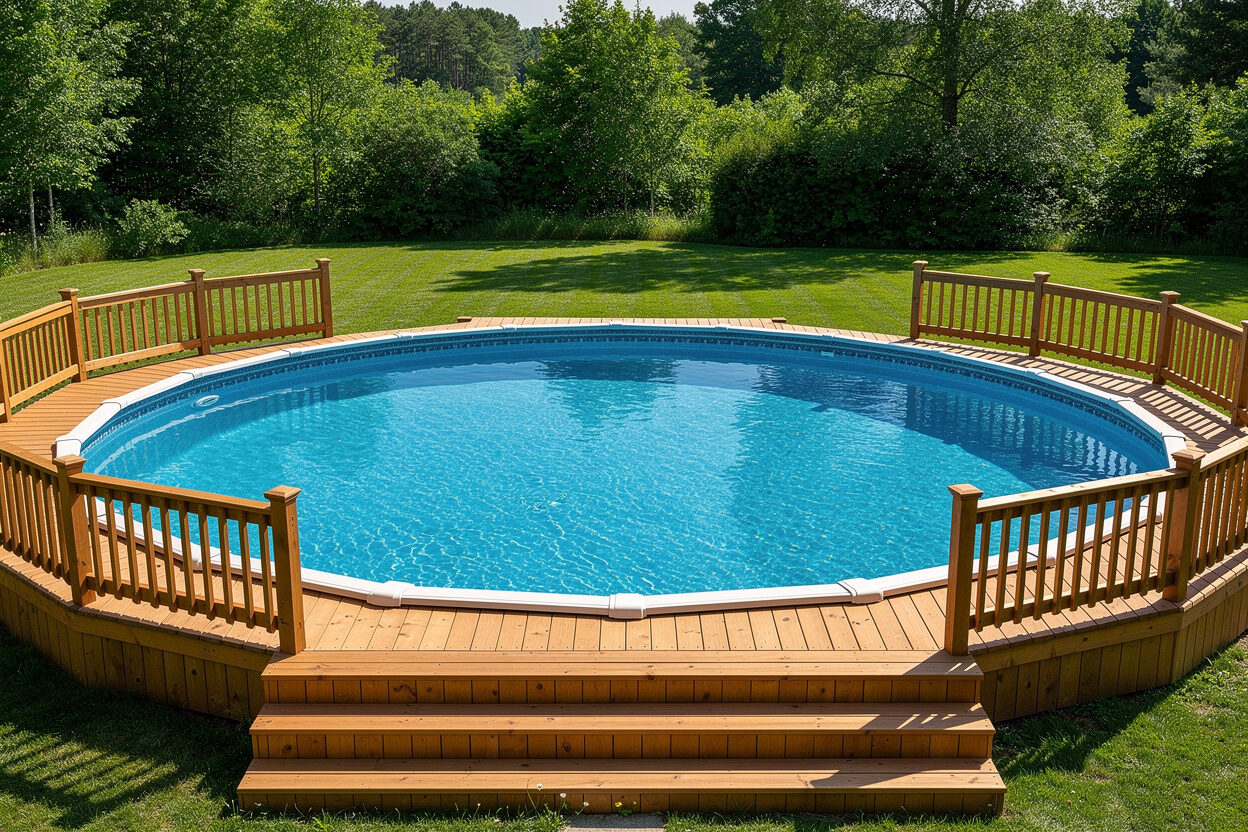
Can You Clean Pool Liner with Bleach? Safe Methods & Tips

Is it safe to use bleach to clean my vinyl pool liner?
Read full question
Halfway through cleaning my new vinyl liner with the same bleach method that worked perfectly on my old above-ground pool, I'm wondering if I'm damaging it. They always push these expensive chemicals and act like regular household products will destroy my pool. I've got some stains and algae buildup on my vinyl liner that need attention, and I'm wondering if I can just use regular bleach to clean it.
I know bleach is basically chlorine, which is already in my pool, but I want to make sure I won't damage the liner if I use it directly. Has anyone successfully cleaned their pool liner with household bleach? If so, do I need to dilute it or can I use it straight from the bottle? Looking for some honest DIY advice from people who aren't trying to upsell me!
Quick Answer
Yes, you can clean your pool liner with bleach, but only when properly diluted (1:10 ratio with water) and never use concentrated bleach directly on the liner as it can cause permanent damage. Regular maintenance, including maintaining proper water chemistry with Free Chlorine (FC) levels of the right level for your CYA (typically 4-8 ppm for a stabilized outdoor pool) and pH between 7.4-7.6, helps prevent the need for aggressive cleaning.
Understanding Bleach and Pool Liners
Pool liners, whether vinyl or other materials, can be sensitive to harsh chemicals. Household bleach (sodium hypochlorite) is essentially the same active ingredient found in liquid chlorine used for pool sanitation, though at a lower concentration (household bleach is typically 5-8% sodium hypochlorite versus 10-12.5% for pool liquid chlorine). Even so, improper use of concentrated chlorine can cause irreversible damage including fading, brittleness, and premature aging of your liner.
When Bleach Cleaning Is Appropriate
Bleach cleaning works best for specific situations:
- Stubborn algae stains that won't respond to normal chlorination
- Light mildew and biofilm spots (bleach won't remove metal or mineral stains - use ascorbic acid for those, below)
- Organic stains from leaves, berries, or other debris
- Waterline scum and oils that regular brushing can't remove
- Preparing the liner after winter opening
Safe Bleach Cleaning Method
Materials You'll Need
- Unscented household bleach (5.25% sodium hypochlorite)
- Large spray bottle or pump sprayer
- Soft-bristled pool brush
- Clean water for rinsing
- Rubber gloves and eye protection
- Pool test strips or liquid test kit
Step-by-Step Cleaning Process
- Lower the water level: Drop water 2-3 inches below the stained area if cleaning the waterline. For underwater stains, you may need to lower the water level - but never drain a vinyl-liner pool more than about halfway, since the liner can shrink, float, or crack.
- Prepare the cleaning solution: Mix 1 cup of unscented bleach with 10 cups of water in your spray bottle. This creates a safe 1:10 dilution ratio.
- Apply the solution: Spray the diluted bleach directly onto stained areas. Work in small sections to maintain control over the cleaning process.
- Let it work: Allow the solution to sit for 2-3 minutes maximum. Never leave bleach on the liner for extended periods.
- Scrub gently: Use a soft-bristled brush to work the solution into the stains. Avoid aggressive scrubbing that could damage the liner surface.
- Rinse thoroughly: Immediately rinse the cleaned area with fresh water to remove all bleach residue.
- Repeat if necessary: For stubborn stains, repeat the process rather than using stronger concentrations.
Critical Safety Warnings
Never use concentrated bleach directly on your liner. This will cause immediate damage including discoloration, weakening of the material, and potential holes or tears. Always wear protective equipment including gloves and eye protection when handling bleach solutions.
Ensure proper ventilation when working with bleach, especially in enclosed pool areas. Never mix bleach with other chemicals, particularly acids like muriatic acid, as this creates dangerous chlorine gas.
Alternative Cleaning Methods
Vitamin C Treatment
For metal stains, ascorbic acid (Vitamin C) is often more effective and safer than bleach. For a single stain, hold a sock or nylon stocking filled with the powder directly against it. To treat the whole pool, first lower free chlorine below 1 ppm, then add ascorbic acid following the product directions, with the pump running.
Baking Soda Paste
For organic stains and general cleaning, create a paste with baking soda and water. This gentle abrasive removes stains without risking chemical damage to your liner.
Commercial Liner Cleaners
Purpose-made liner cleaning products are formulated specifically for pool materials and often provide better results with less risk than household bleach.
Prevention and Maintenance Tips
Regular maintenance prevents the need for aggressive cleaning:
- Maintain proper water chemistry with Free Chlorine (FCFree Chlorine — The chlorine actively sanitizing your water right now. This is the number you keep an eye on. how much you need →) levels of the right level for your CYACyanuric Acid (stabilizer) — Sunscreen for your chlorine — it keeps sunlight from burning it off. The catch: the more you have, the more chlorine you need to keep. learn more → (typically 4-8 ppm for a stabilized outdoor pool) and pH between 7.4-7.6. Use the FC/CYAFC/CYA chart — The chart that sets your chlorine target from your stabilizer (CYA) level — the two go together. see the chart → relationship — our all-in-one pool calculator estimates the free chlorine target for your CYA.
- Brush the liner weekly to prevent buildup
- Keep total alkalinity between 80-120 ppm to prevent pH swings
- Use a pool cover to reduce debris and UV exposure
- Test and balance water twice weekly during swimming season
Common Mistakes to Avoid
Don't use bleach with added fragrances or color-safe formulations, as these contain additional chemicals that can stain or damage liners. Avoid using bleach in direct sunlight, which accelerates chemical reactions and increases the risk of damage.
Never attempt to clean large areas at once – work in small sections to maintain control and prevent uneven cleaning results. Most importantly, always test your cleaning solution on an inconspicuous area first to ensure it won't cause unwanted discoloration.
When Professional Help Is Needed
If stains persist after proper bleach cleaning, or if you notice any liner damage during the process, consult a pool professional. Extensive staining may indicate underlying water chemistry issues that need professional diagnosis and treatment.
For the full breakdown of safe chlorine levels by CYA level, see our pool water chemistry guide.
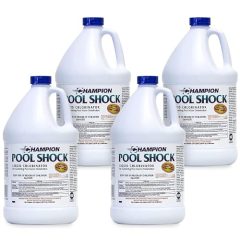 Liquid Chlorine / Sodium Hypochlorite (12.5%)
Everyday sanitizer — the B in BBB View on Amazon →
Liquid Chlorine / Sodium Hypochlorite (12.5%)
Everyday sanitizer — the B in BBB View on Amazon →
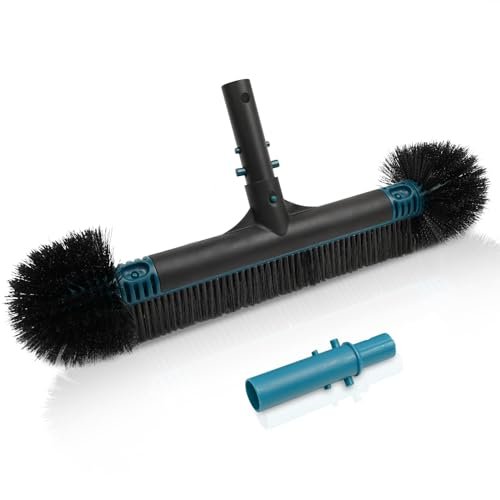 Poolvio 20" 2-in-1 Pool Brush Head (Walls & Floor)
Sturdy 20-inch brush head that clips onto any standard telescopic pole. View on Amazon →
Poolvio 20" 2-in-1 Pool Brush Head (Walls & Floor)
Sturdy 20-inch brush head that clips onto any standard telescopic pole. View on Amazon →
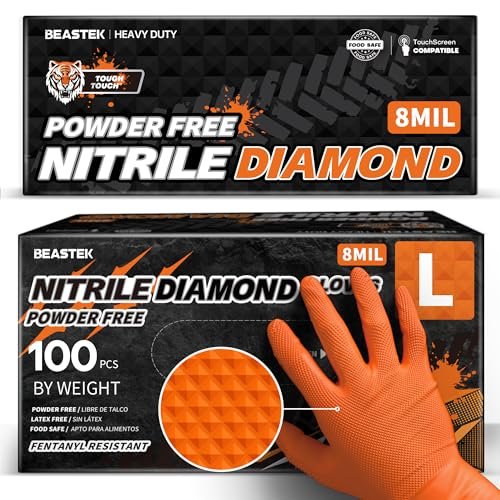 Beastek 8-mil Chemical-Resistant Nitrile Gloves
Disposable nitrile gloves for safe handling of pool chemicals. View on Amazon →
Beastek 8-mil Chemical-Resistant Nitrile Gloves
Disposable nitrile gloves for safe handling of pool chemicals. View on Amazon →
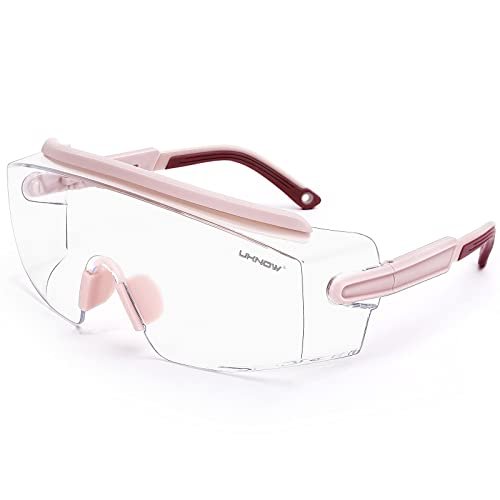 UKNOW Anti-Fog Chemical Splash Safety Goggles
Sealed splash goggles for handling muriatic acid and chlorine. View on Amazon →
UKNOW Anti-Fog Chemical Splash Safety Goggles
Sealed splash goggles for handling muriatic acid and chlorine. View on Amazon →
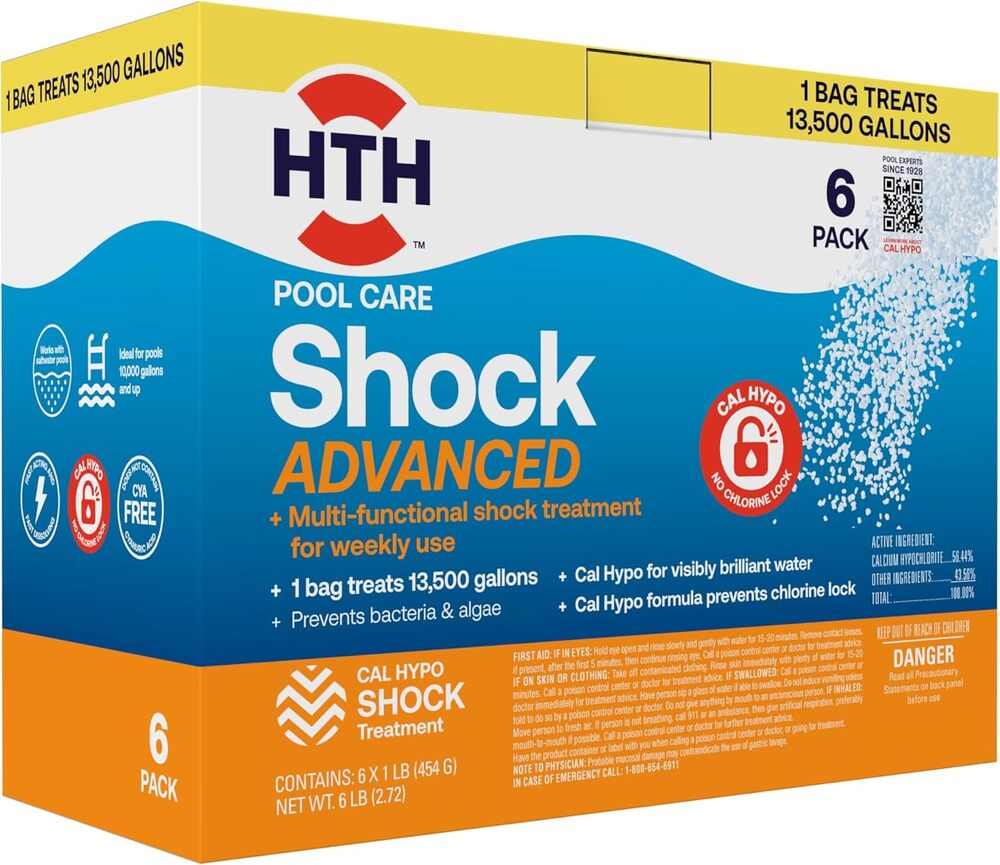
Still need help? Ask a Pool & Spa Expert AD
Get a personalized answer from PoolGuy810 — 30 years owning a pool and spa repair company. Describe your issue and get step-by-step help.
Related Pool Guides
Need More Help?
Try our free pool calculators and tools to help diagnose and fix your pool problems.
Browse Pool ToolsSLAM calculator, pH calculator, salt dosing & more