Should You Shock Your Pool Before Winter Closing?
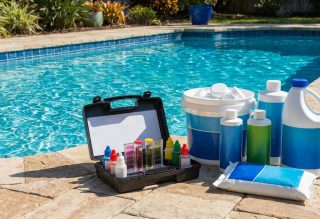
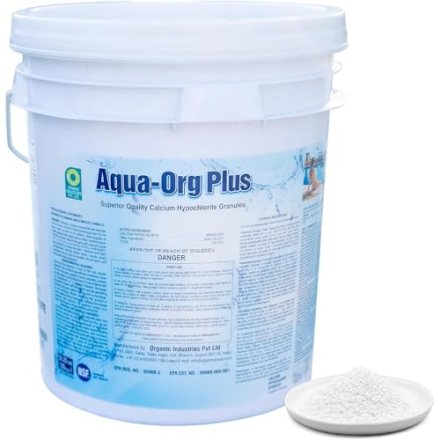
Yes, you should shock your pool before closing it for winter, but timing is crucial. Shock 24-48 hours before adding winterizing chemicals to ensure proper sanitization without chemical conflicts.
You can shock your pool during the day, but it's less effective due to UV rays breaking down chlorine. Evening shocking after sunset provides better results and longer-lasting sanitization.
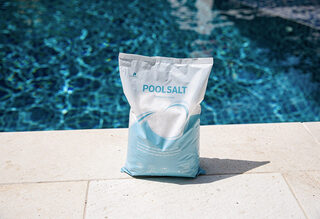
You should not add salt to a regular chlorine pool without a saltwater system. Salt will not provide sanitization and can damage pool equipment while creating water balance issues.
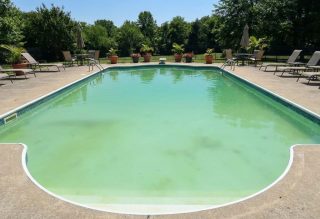
No, you should not swim in a cloudy pool as it indicates water chemistry issues and potential harmful bacteria. The cloudiness prevents you from seeing the bottom, creating safety hazards, and suggests inadequate sanitization.
Yes, you should shock your pool after heavy rain (over 1 inch) or if the water looks cloudy. Rain dilutes chlorine levels and introduces contaminants that require extra sanitization.
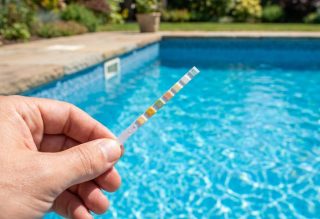
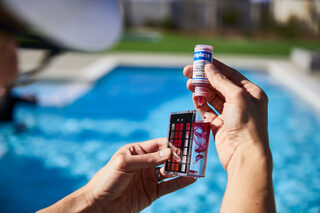
Yes, pool pH naturally tends to rise over time due to chlorine sanitization, aeration from equipment, and swimmer activity. Most pools require regular pH adjustment downward using muriatic acid to maintain the ideal 7.4-7.6 range.
You can swim in a pool with high CYA levels as stabilizer itself isn't harmful, but high CYA reduces chlorine effectiveness, making it harder to maintain proper sanitization. The real concern is whether you can maintain adequate free chlorine levels.
Pool pH alone doesn't directly cause UTIs, but improper pool chemistry (high pH, low chlorine, poor sanitization) creates conditions where UTI-causing bacteria can thrive and survive in pool water.
Pool shock works by rapidly raising chlorine levels to oxidize organic contaminants like sweat, sunscreen, and algae. It breaks down chloramines (combined chlorine) and restores free chlorine sanitization power.
Salt water pools use electrolysis to convert salt into chlorine automatically. A salt chlorine generator splits salt molecules into chlorine gas and sodium hydroxide, providing continuous sanitization without manual chlorine additions.
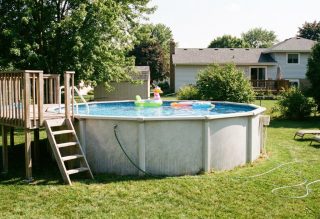
Yes, Intex pools absolutely need chemicals to maintain safe, clean water. Like any pool, they require chlorine for sanitization, pH adjusters, and stabilizer to prevent algae growth and protect swimmers' health.