Can Pool Heater and Pump Share Same Circuit? Safety Guide
Pool heaters and pumps should never be on the same circuit due to high amperage requirements that would overload the circuit and create safety hazards.
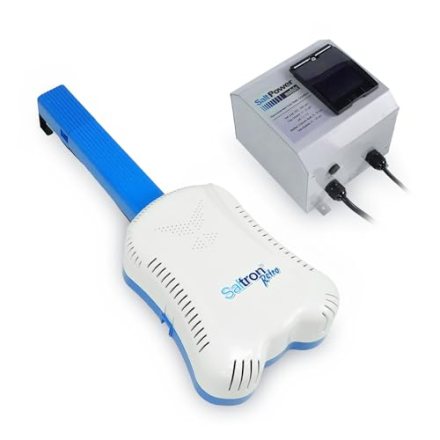
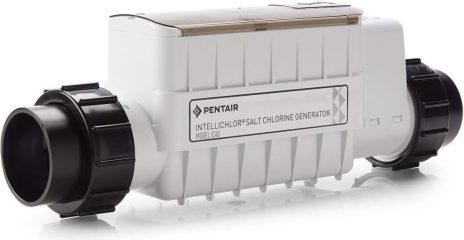
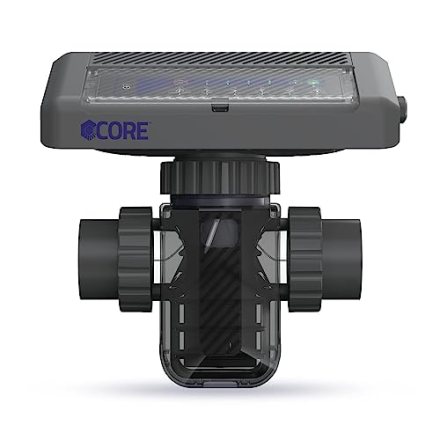
Pool salt cells use electrolysis to convert dissolved salt (sodium chloride) into chlorine gas and sodium hydroxide. The chlorine sanitizes your pool while the sodium hydroxide raises pH, creating a continuous chlorination cycle.
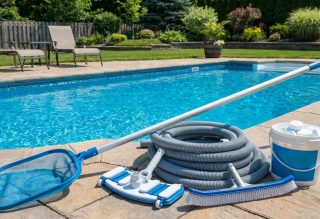
You can vacuum your pool after adding most chemicals, but timing matters. Wait 15-30 minutes for liquid chemicals to circulate, and 2-4 hours for granular chemicals to fully dissolve before vacuuming.
Yes, you need a pool safety certificate in Queensland. Pool owners must obtain certificates every 1-2 years depending on property type, with inspections required before sale, lease, or registration.
Yes, you can shock your pool after adding alkalinity, but wait 4-6 hours first and test your water to ensure pH is below 7.6 for maximum chlorine effectiveness.
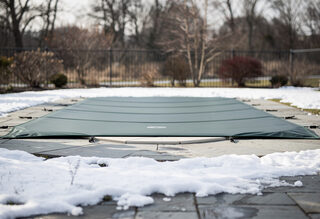
Yes, you should shock your pool before closing it for winter, but timing is crucial. Shock 24-48 hours before adding winterizing chemicals to ensure proper sanitization without chemical conflicts.
You don't need to run your pool pump 24/7. Most pools require 8-12 hours of daily operation to achieve proper turnover and filtration, depending on pool size, bather load, and environmental conditions.
Yes, you can run your pool pump with a solar cover on. The pump will still circulate water effectively underneath the cover, and this is actually recommended for maintaining water quality.
Pool liner patches typically last 2-5 years with proper installation and quality materials. Underwater patches generally last longer than above-water patches due to UV protection from the water.
Yes, you can leave your pool filter running continuously, and it's actually beneficial for water clarity and chemical distribution. However, running it 8-12 hours daily is usually sufficient for most pools while saving energy costs.
You can shock your pool during the day, but it's less effective due to UV rays breaking down chlorine. Evening shocking after sunset provides better results and longer-lasting sanitization.
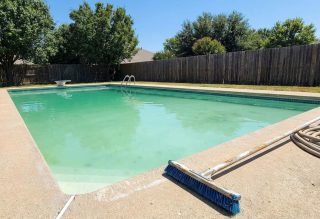
Pool algae forms when microscopic spores enter your water and find ideal conditions: sunlight, nutrients (like phosphates), warm temperatures, and unbalanced water chemistry with insufficient chlorine levels.
Cloudy pool water can be dangerous to your health as it often indicates the presence of harmful bacteria, parasites, and contaminants. Never swim in cloudy water - clear it first using proper shock treatment.
Wait 8-24 hours after shocking before vacuuming your pool, depending on chlorine levels and shock type. Test free chlorine first - it should drop below 5ppm for safe vacuuming.
To determine if you have a pool leak, perform the bucket test by placing a bucket of water on your pool step and marking water levels in both. After 24 hours, if the pool water dropped more than the bucket water, you likely have a leak.