
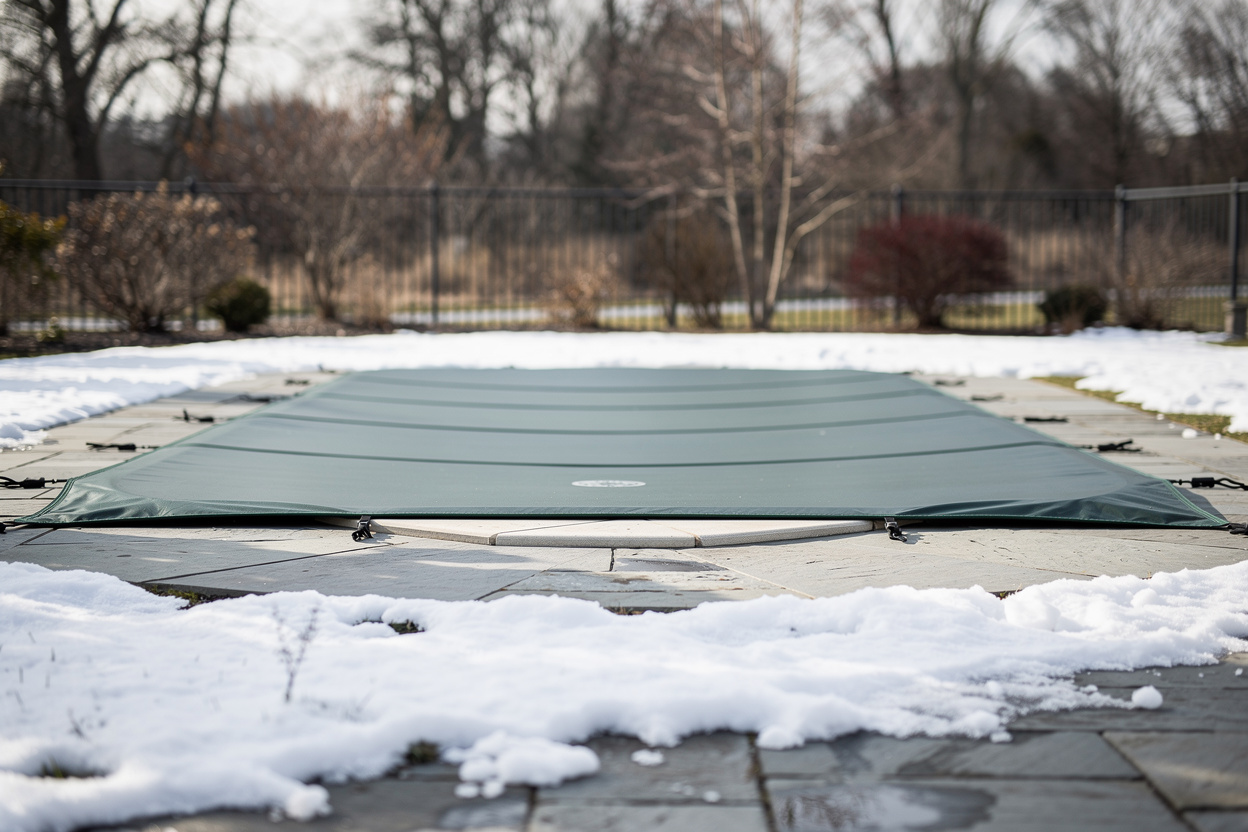
Blow Out Pool Lines With a Shop Vac? Here's the Truth

Can a Shop Vac Actually Blow Out Pool Lines Before Winter?
Read full question
Looked at the forecast last night and there's a real hard freeze coming — the kind where you can almost feel the air bite right through your jacket the second you step outside. My inground pool needs to be winterized properly, but I don't own an air compressor and I'm not sure it's worth renting one. I do have a decent shop vac that has a blow mode on it, and I'm wondering if that's actually enough to push water out of the skimmer lines and return lines, or if it's just going to move air around without really clearing anything dangerous.
The thought of a cracked pipe or a busted fitting — that dull, hollow thud you hear when frozen water splits PVC — is enough to make me want to do this right the first time. But how do I actually know when the lines are empty? Is there a sound change, a feel difference in the air coming out? I want to make sure I'm not just plugging a line that still has water sitting in a low spot somewhere.
Quick Answer
A shop vac on blow mode can work for some pool line configurations — particularly shorter, simpler runs — but it lacks the CFM and pressure of a dedicated air compressor, making it unreliable for longer or deeper lines. In areas with hard freezes, renting a compressor is the safer choice. Knowing the lines are clear involves watching for a steady stream of air (no water mist or gurgling) at the return jets and skimmer.
The Core Problem: Pressure vs. Volume
To protect plumbing from a freeze, you must push out all standing water. This task demands both airflow volume, measured as CFM (cubic feet per minute), and sufficient pressure to force water through the entire pipe length. A shop vac set to blow can move air, but it typically falls short on generating the static pressure that even a modest air compressor provides. Whether that shortcoming matters depends entirely on your pool's specific layout and plumbing.
Consider these three practical approaches for clearing your lines:
Option 1: Shop Vac on Blow Mode
How it works
Attach the shop vac's exhaust port to the skimmer opening using a winterizing adapter or improvised seal. Turn it on to force air through the plumbing to the return jets in the pool wall. Monitor the jets: the output will progress from a gurgling water-air mixture to bubbles, and finally, ideally, to a stream of only air.
Pros
- You already own it — There is no rental expense or need to coordinate with a rental outlet.
- Can be effective for short, straightforward pipe runs, like those in a small above-ground pool or a simple inground skimmer-to-return loop with little elevation change.
- Operates gently, minimizing the risk of damaging plumbing fittings when used with care.
Cons
- Most shop vacs lack the sustained pressure needed to fully evacuate longer lines, pipes with significant elevation drops, or lines containing multiple 90-degree elbows. Water can remain trapped in low points.
- Creating an airtight seal at the skimmer throat is difficult. Air leakage reduces pressure and severely limits performance.
- In regions with severe winters, partial clearing offers little protection. Any water left behind in a low spot can freeze and expand.
- You often miss the definitive, powerful air blast that confirms a line is completely dry.
Bottom line on the shop vac: Consider this method only if your plumbing is short and simple, your climate experiences only mild, occasional freezes, and you use non-toxic pool antifreeze as a secondary safeguard in any questionable lines. For harsh winter climates with complex plumbing, it is an unreliable risk.
Option 2: Renting a Dedicated Air Compressor
How it works
Rent a compressor that delivers higher CFM at significant pressure. Connect it to your pool lines via a winterizing blowout plug fitted into the skimmer. Isolate and work on one line at a time using return-side plugs or valves, blasting air until only dry air exits from the distant end.
Pros
- Provides the pressure and volume required to forcefully eject water from low spots and long pipe runs, rather than just agitating it.
- Offers clear audible and visual confirmation: the gurgling ceases, the spray becomes a dry hiss, and you can feel clean, dry air at the return.
- This is the standard, professional-recommended practice for hard-freeze areas, as detailed in our pool winterizing guide.
- Effectively handles multiple lines, main drains, and dedicated equipment lines (for heaters, cleaners, etc.) without issue.
Cons
- Requires a trip to a rental center and advance planning.
- Requires caution: Most residential pool fittings and skimmer bodies are not designed for high pressure. Pool professionals typically limit pressure to 20–30 PSI for blowouts, but consult your fittings manufacturer or pool builder if you have documentation. Do not use a compressor without a functional pressure gauge for this job. Keep all bystanders away from return jets and skimmer openings during the process—a loose or improperly seated winterizing plug can be launched by air pressure and cause injury. Never apply air pressure behind a plug without first confirming it is correctly seated and rated for blowout use.
- You need the proper adapters for your specific skimmer.
Bottom line on the compressor
For harsh winter climates, this is the unequivocal recommendation. The rental fee is minor compared to the cost of repairing a cracked return line or shattered skimmer body.
Option 3: Antifreeze as a Supplement (Not a Replacement)
Non-toxic pool antifreeze (made with propylene glycol, not automotive antifreeze) can be poured or pumped into lines after a blowout to protect any tiny amount of residual water. It is a prudent backup measure following a proper compressor blowout, but it is not a replacement for physically clearing the lines—it does not displace water on its own. Be aware that antifreeze diluted by a large volume of residual water may fail to provide adequate freeze protection. It functions best when the line is already mostly clear and only a minimal amount of water remains. It is not a reliable standalone method if the initial blowout was insufficient.
- Best used: After a blowout, poured into the skimmer before plugging it, to protect the trap area and any plumbing sections you are unsure about.
- Not useful as a standalone strategy in hard-freeze climates where temperatures plunge well below freezing for prolonged periods.
How to Know When the Lines Are Actually Clear
This step is often misunderstood. Clearing a line is not about timing; it is about sensory verification. Follow this process:
- Watch the return jets: Initially, you will see a misty spray of air and water. As the line clears, this changes to large bubbles, then small bubbles, and finally a steady stream of pure air.
- Listen for the sound change: The wet, gurgling rush of water gradually becomes a dry hissing or roaring sound—the sound of air moving through an empty pipe.
- Feel the air at the return: Place your hand near (not directly in front of) the return jet. Air carrying water feels cool and damp. Clear air feels drier and maintains a more consistent pressure.
- Confirm with a plug test: After turning the air pressure OFF and disconnecting the compressor, insert a winterizing plug. If you gently loosen it slightly and water seeps out, the line still contains water and requires another blowout cycle. Never loosen plugs while the system is still under pressure.
Work on one line at a time by isolating each with plugs or closed valves. Attempting to blow multiple lines at once divides the airflow and results in incomplete clearing of all lines.
The Verdict for Hard-Freeze Climates
If your region experiences consistent hard freezes—where overnight lows routinely fall well below freezing and temperatures stay there for days—renting a proper air compressor is the necessary choice. A shop vac is a tool that pool owners in mild climates might occasionally use successfully, but "getting away with it" is a poor strategy when the potential cost is cracked underground plumbing.
Combine a thorough blowout with non-toxic antifreeze added to the skimmer and any lines you have doubts about. This approach lets you face spring with confidence, avoiding the dread of hearing water where it shouldn't be when you remove the cover. The complete procedure is outlined step-by-step in our winterizing guide.
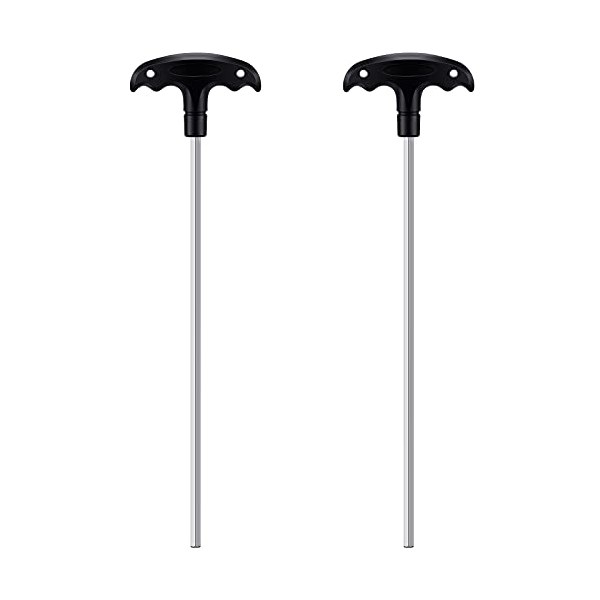 Pool Safety Cover Hex Key Tool (2-Pack)
Hex keys to install or remove a pool safety cover. View on Amazon →
Pool Safety Cover Hex Key Tool (2-Pack)
Hex keys to install or remove a pool safety cover. View on Amazon →
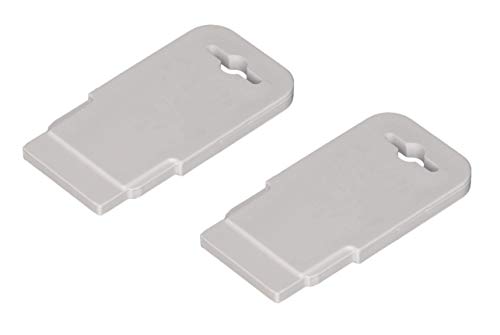 Pool Eyeball / Return Jet Fitting Removal Tool (ATIE)
Pops out & reseats Hayward SP1419 return-jet eyeballs — handy for closing. View on Amazon →
Pool Eyeball / Return Jet Fitting Removal Tool (ATIE)
Pops out & reseats Hayward SP1419 return-jet eyeballs — handy for closing. View on Amazon →
 The Skimmie Handheld Pool Skimmer Net
Grab-and-go hand skimmer for leaves and debris off the surface. View on Amazon →
The Skimmie Handheld Pool Skimmer Net
Grab-and-go hand skimmer for leaves and debris off the surface. View on Amazon →
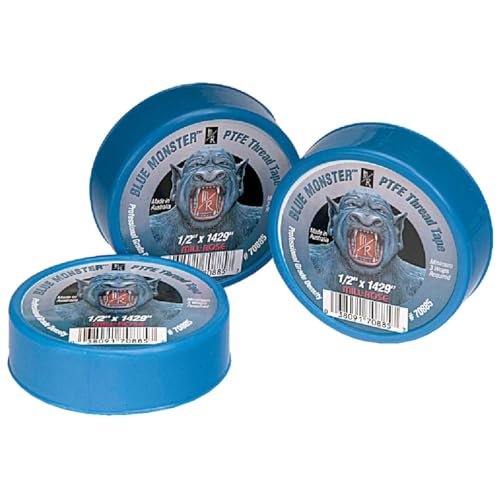 Blue Monster PTFE Thread Seal Tape (1/2 in × 1429 in)
Heavy-duty thread tape for leak-free pool plumbing fittings — stops suction-side air leaks. View on Amazon →
Blue Monster PTFE Thread Seal Tape (1/2 in × 1429 in)
Heavy-duty thread tape for leak-free pool plumbing fittings — stops suction-side air leaks. View on Amazon →
Still need help? Ask a Pool & Spa Expert AD
Get a personalized answer from PoolGuy810 — 30 years owning a pool and spa repair company. Describe your issue and get step-by-step help.
Related Pool Guides
Need More Help?
Try our free pool calculators and tools to help diagnose and fix your pool problems.
Browse Pool ToolsSLAM calculator, pH calculator, salt dosing & more