
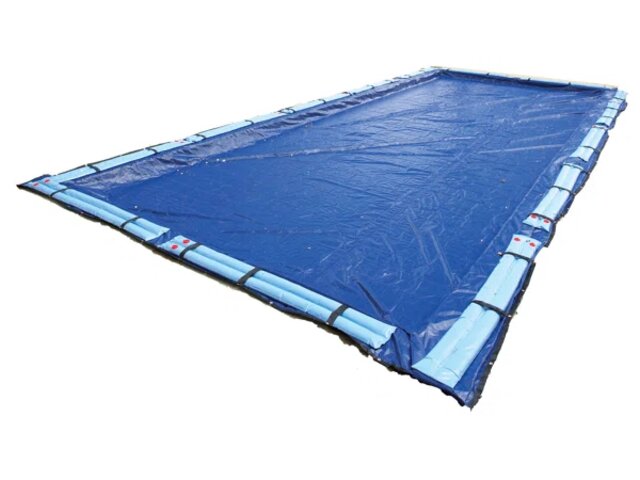
Chlorine Floater in Pool Over Winter: Good Idea?

Should I leave a chlorine floater in over winter before covering?
Read full question
Nobody warned me how quickly pool closing decisions can snowball. Ever since I started prepping for winter shutdown last week, I've been second-guessing every step — but the one I keep coming back to is whether to toss a floater loaded with trichlor pucks in before I pull the cover on. My thinking was that it would keep things sanitized all season while the pump sits idle, but now I'm hearing it might cause more problems than it solves.
I have a vinyl liner pool, and I'm a little nervous about anything that could stain or bleach it while I'm not checking the water regularly. Is there a smarter way to keep the water from going completely feral under the cover, or is a floater actually fine if I set it up right?
Quick Answer
Leaving a chlorine floater or tablets in the pool over winter is generally not recommended — especially for vinyl liner pools — because a stuck or tipped floater can bleach or stain the liner, and cold water simply doesn't need aggressive chlorination. A safer approach is to use a proper winterizing chemical kit, shock the pool before closing, and rely on a non-chlorine winter floater or algaecide to hold the water through the off-season.
The Short Answer: Skip the Trichlor Floater, Especially on Vinyl
Leaving a standard chlorine floater loaded with trichlor tablets in the pool before you button it up for winter is one of those ideas that sounds logical but tends to backfire — particularly if you have a vinyl liner. The short version: cold water dramatically slows algae and bacterial growth on its own, so you don't need continuous high-dose chlorination all winter. What you do need is a properly closed pool with the right winterizing chemistry already in the water before the cover goes on.
What Actually Goes Wrong
The core problem with a trichlor floater sitting under a closed winter cover isn't just chemistry — it's geometry. Once the pump is off and there's no circulation, the floater drifts and eventually parks itself against the liner, a step, or a fitting. At that point it's no longer dispersing chlorine evenly; it's concentrating it in one spot. Trichlor tablets are notably acidic, and prolonged direct contact with a vinyl liner can bleach or permanently stain it — this is the primary concern. For plaster or painted surfaces, the risk is less severe but localized low-pH contact can cause minor etching or discoloration over a long off-season.
There's also the CYACyanuric Acid (stabilizer) — Sunscreen for your chlorine — it keeps sunlight from burning it off. The catch: the more you have, the more chlorine you need to keep. learn more → accumulation issue. Trichlor tablets add cyanuric acid (stabilizer) to the water every time they dissolve. Over a long winter, that can push your CYA into a range that makes it hard to chlorinate effectively when you open in spring — sometimes requiring a partial drain to correct. You can see how CYA affects your required chlorine levels in our pool water chemistry guide.
Beyond the liner, most pool professionals recommend clearing inline feeders before closing — residual chlorine sitting in contact with o-rings, seals, and plastic components for months can accelerate degradation, and some equipment manufacturers echo this guidance in their winterization instructions.
What Actually Keeps the Water Safe Under the Cover
Here's the thing most people don't realize: a properly closed pool with a solid or safety cover doesn't need ongoing chlorination to stay clean through winter in most climates. In climates where water temperatures drop below 50°F for the bulk of winter, algae and bacteria are nearly dormant under a solid cover. In warmer regions where water stays warmer through winter, some ongoing sanitizer may still be beneficial — adjust your approach accordingly. What keeps the water from going swampy is the chemical foundation you put in before closing, not what you add afterward.
A solid winter closing involves:
- Shocking the pool thoroughly before the cover goes on — you want free chlorine elevated well above your normal target (scaled appropriately to your CYA level) going into winter
- Balancing pH, alkalinity, and calcium hardness to ranges that won't let the water etch plaster or scale equipment during the off-season
- Adding a quality winter algaecide as a last line of defense — this is what does the heavy lifting in terms of preventing spring green-up
- Using a phosphate remover if your pool has had algae trouble in the past, since starving algae of nutrients going into winter helps keep it dormant
Our pool winterization guide walks through the full sequence with the right order of operations, which matters more than most people think.
When a Floater Can Be Used Responsibly
There are situations where a floater makes more sense — mainly with mesh winter covers, which allow sunlight through and let debris fall into the water, or with covers that have developed small holes or don't fit perfectly. In those cases, some ongoing sanitizer release can help bridge the gap between closing chemistry and spring opening.
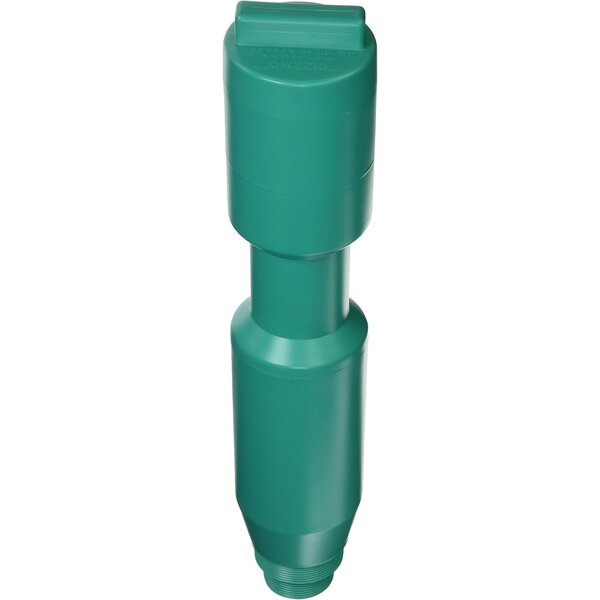
If you go that route, look for a floater specifically designed for winter or cold-water use. The key features to look for are fully closeable baffle vents (so you can dial down the release rate in cold water), a stable weighted base that resists tipping, and a tie-off point so you can secure it to the wall and keep it from wandering. Some manufacturers market non-chlorine winter floaters specifically for the off-season — these contain enzymes or clarifying agents rather than active chlorine, and they carry none of the staining risk. Some pool closing kit bundles include non-chlorine winter floaters for exactly this reason — worth checking what's included in any kit you purchase.
If you do opt for a chlorine floater under a cover, set the vents to their most restricted position, tie it off, and plan to check chlorine levels at least once mid-winter if your climate allows any pool access. Cold water needs far less chlorine than warm water — overcorrecting can cause problems of its own. Use our chlorine calculator if you need help thinking through your pre-closing shock dose.
Vinyl Liner Pools: Extra Caution Required
If you have a vinyl liner, the calculus tips even more firmly toward removing all chlorine tablets and the floater before the cover goes on. Vinyl is simply more vulnerable to bleaching and chemical contact than plaster or fiberglass. The standard guidance from most pool professionals and closing guides is consistent: remove tablets from feeders, remove the floater, and rely entirely on your pre-closing shock and algaecide to carry the water through winter. It's one of those cases where doing less is genuinely better.
Quick Closing Chemistry Checklist
Before you cover up, make sure you've addressed:
- Pool thoroughly brushed and vacuumed
- Filter cleaned or backwashed
- Water balanced (pH 7.2–7.6, alkalinity 80–120 ppm, calcium hardness 200–400 ppm)
- Pool shocked to an elevated free chlorine level appropriate for your CYA
- Winter algaecide added per label directions
- All chlorine tablets and feeders cleared out
- Lines blown out and plugged (for freeze-prone climates)
Run through our pool closing checklist to make sure nothing gets missed — it's easy to skip a step when you're rushing to get the cover on before the weather turns.
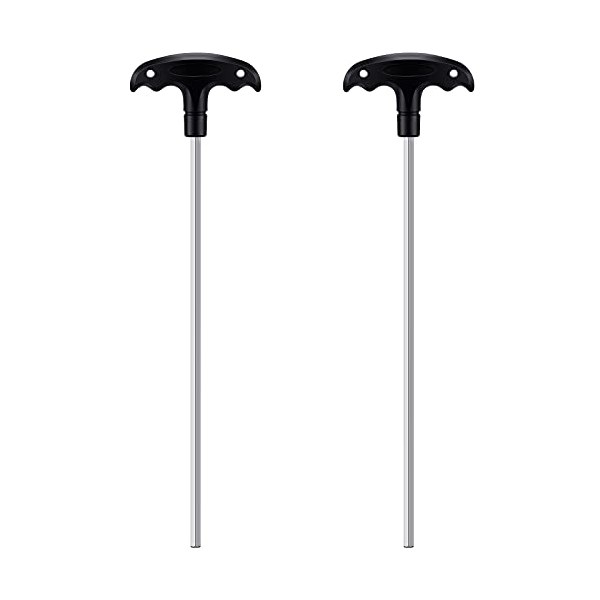 Pool Safety Cover Hex Key Tool (2-Pack)
Hex keys to install or remove a pool safety cover. View on Amazon →
Pool Safety Cover Hex Key Tool (2-Pack)
Hex keys to install or remove a pool safety cover. View on Amazon →
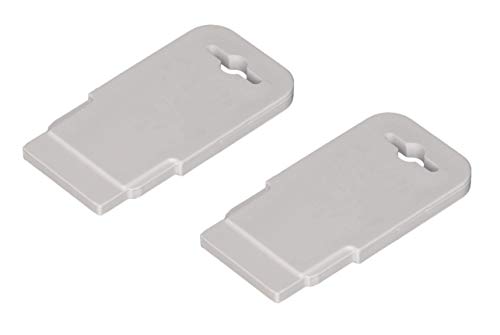 Pool Eyeball / Return Jet Fitting Removal Tool (ATIE)
Pops out & reseats Hayward SP1419 return-jet eyeballs — handy for closing. View on Amazon →
Pool Eyeball / Return Jet Fitting Removal Tool (ATIE)
Pops out & reseats Hayward SP1419 return-jet eyeballs — handy for closing. View on Amazon →
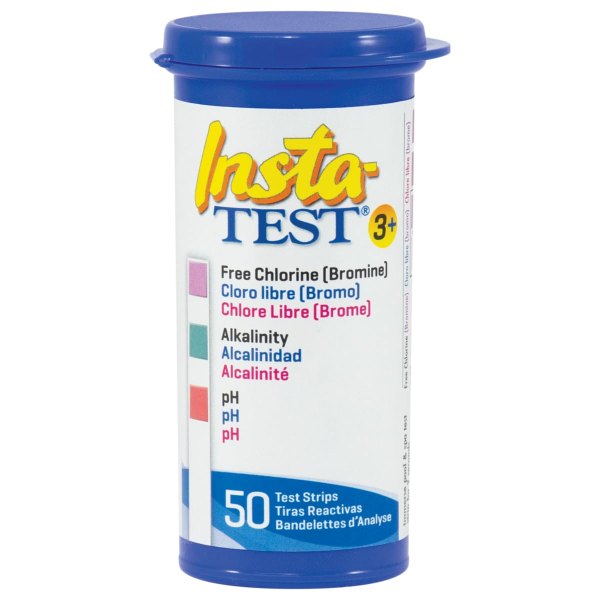 LaMotte Insta-Test 3 Pool Strips (50 ct)
Pro-grade 3-way strips from LaMotte — chlorine, pH & alkalinity, fast and accurate. Top-rated at 4.8★. View on Amazon →
LaMotte Insta-Test 3 Pool Strips (50 ct)
Pro-grade 3-way strips from LaMotte — chlorine, pH & alkalinity, fast and accurate. Top-rated at 4.8★. View on Amazon →
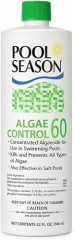 PolyQuat 60 Algaecide (Non-Foaming)
Non-foaming, copper-free backup View on Amazon →
PolyQuat 60 Algaecide (Non-Foaming)
Non-foaming, copper-free backup View on Amazon →
Still need help? Ask a Pool & Spa Expert AD
Get a personalized answer from PoolGuy810 — 30 years owning a pool and spa repair company. Describe your issue and get step-by-step help.
Related Pool Guides
Need More Help?
Try our free pool calculators and tools to help diagnose and fix your pool problems.
Browse Pool ToolsSLAM calculator, pH calculator, salt dosing & more