
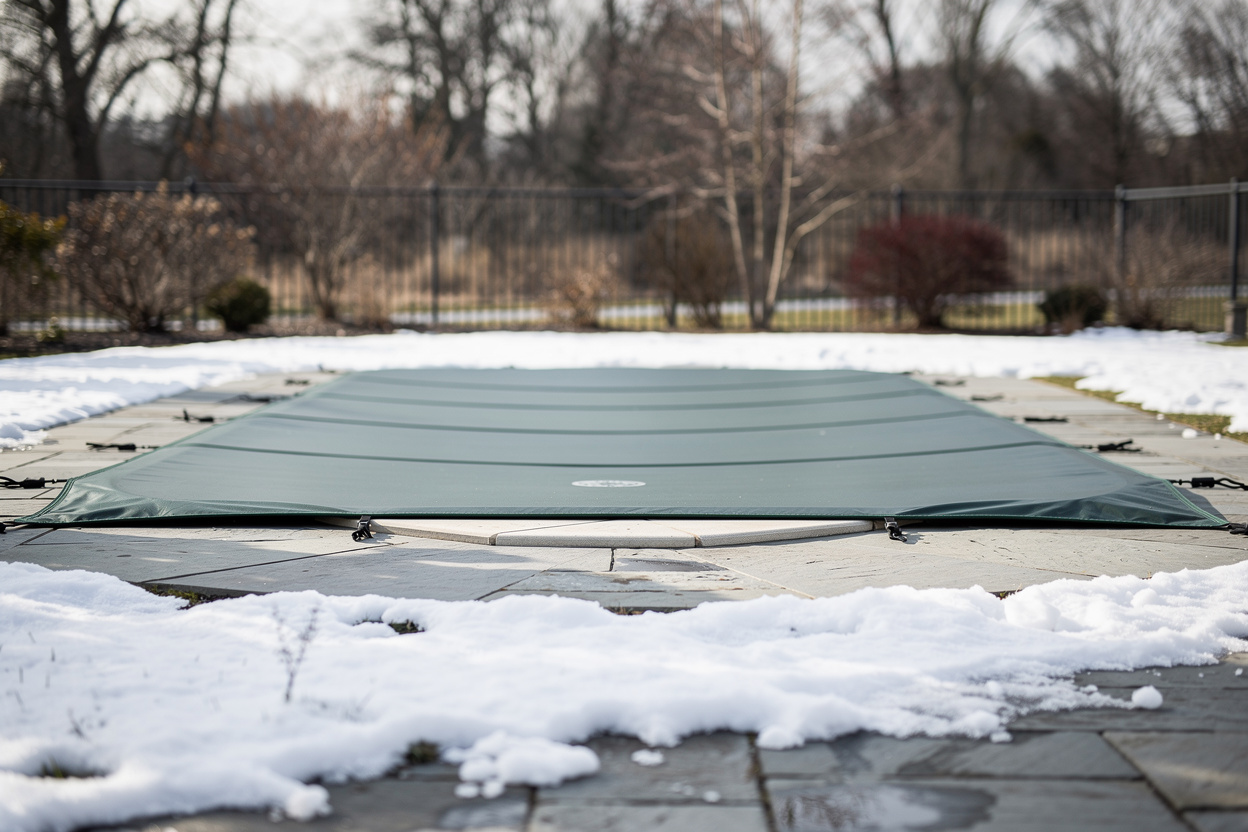
What Water Temp Is Safe to Close Your Pool?

Close the Pool Now or Wait? My Water Is Still in the Low 70s
Read full question
My neighbor closed her pool two weeks ago and keeps telling me I should have done the same, but my water is still sitting in the low 70s°F and I'm genuinely torn. Trying to decide between shutting everything down now in late September versus waiting another few weeks to see if temperatures drop more. I have a 20,000-gallon inground with a mesh safety cover, and I really don't want to pull it off in spring to find a swamp underneath.
Everybody seems to have an opinion on closing timing, but I can't find anyone who actually gives a specific water temperature to aim for. Is 72°F still too warm? Will algae keep growing under the cover if I close now, or does it just stop once I add the closing chemicals and block the sunlight? I'd love to understand what's actually happening chemically so I can make the right call rather than just guessing.
Quick Answer
The widely recommended threshold for closing a pool is when water temperature consistently stays at or below 60°F. Closing with water in the low 70s°F is risky because algae and bacteria remain active enough to cause problems under a cover, even with closing chemicals applied. Waiting for that cooler water — and ensuring your chemistry is balanced before you close — is the best protection against a green opening in spring.
The Unspoken Rule of Pool Closing: 60°F
A specific, science-backed guideline exists for seasonal pool shutdowns, often lost in general recommendations: do not close your pool until the water temperature is consistently at or below 60°F (15.5°C). This critical threshold is where algae development slows to a near halt and microbial processes diminish enough for winterizing chemicals to maintain control throughout the offseason.
Water in the low 70s°F remains firmly within algae's active range. Algae spores require only modest warmth, leftover nutrients, and time to flourish. While a pool cover eliminates sunlight, it does not halt biological processes like cold temperatures can. Closing with 72°F water forces your winter chemicals to perform a months-long task they are not formulated to handle alone.
The Science Beneath the Cover
Understanding the reasoning behind the 60°F benchmark is key, as it is not a random number. Algae proliferation declines substantially as water cools—this relationship, while not perfectly linear, has a powerful real-world impact: water in the mid-50s°F fosters exponentially less biological activity than water in the 70s. A mesh cover admits rain and debris, introducing nutrients over time. Even a solid cover seals in any organic material present at closing.
Winterizing chemicals—commonly an algaecide, phosphate remover, and often a slow-dissolving chlorine product—are designed to preserve water quality during dormancy. However, they deplete more rapidly in warmer water where biological activity persists. By February, chemical protection may be exhausted. If your cover admits light or water temperatures rise during an early thaw, conditions are primed for an algae bloom before the cover is removed.
Evaluating Your Choice: Close Early or Wait
Consider this honest assessment of the trade-offs:
- Closing now (low 70s°F): Carries a higher risk of algae developing under the cover, accelerates the depletion of closing chemicals, and increases the likelihood of requiring a full SLAM process at opening. This saves a few weeks of upkeep but may demand far more effort the following spring.
- Waiting until water is 60°F or below: Results in slower algae activity, allowing closing chemicals to last longer and pool chemistry to remain stable. A spring opening is far more likely to be simple. The trade-off is continuing minimal maintenance for several more weeks.
In many climates, late September water in the low 70s will naturally fall into the 60s within two to four weeks. Monitoring a reliable water thermometer (not air temperature) for several consecutive days below 60°F before closing is a prudent strategy.
Minimal Maintenance While You Wait
Waiting for the right temperature does not require full summer operation. You can significantly reduce your routine:
- Reduce pump run time — Once temperatures cool and swimming stops, a few hours of circulation daily is often sufficient.
- Test and maintain balanced chemistry — Keep pH between 7.4–7.6, alkalinity 80–120 ppm, and free chlorine at the level appropriate for your CYACyanuric Acid (stabilizer) — Sunscreen for your chlorine — it keeps sunlight from burning it off. The catch: the more you have, the more chlorine you need to keep. learn more → (stabilizer). The correct chlorine target depends on your CYA level; use our chlorine dosing calculator for a precise figure rather than a generic number. Our pool water chemistry guide details this relationship.
- Continue skimming and vacuuming — Organic debris left in the water at closing provides a winter-long food source for algae. The cleaner the water at shutdown, the better.
Preparing for a Successful Shutdown
When closing conditions are met, the initial water quality is as vital as the temperature. A pool that is clear, balanced, and algae-free at closing is drastically easier to reopen. Our pool closing checklist details every step, but the chemical priorities are:
- Shock the pool two to three days prior to closing to significantly elevate chlorine levels—the precise amount depends on your current free chlorine and CYA levels, so use a chlorine dosing calculator for accuracy.
- Balance pH and alkalinity before closing—balanced water ensures winterizing chemicals work effectively and protects pool surfaces.
- Consider a phosphate remover if phosphate levels are high, as phosphates are a persistent algae nutrient.
- Add your winterizing algaecide last, after the shock chlorine has completed its work and levels have reduced slightly.
For Mild or Borderline Climates
In regions with milder winters—where water may drop into the 50s but frequently rebounds—adhering to the 60°F rule is even more critical due to potential temperature fluctuations under the cover. In such climates, some owners opt for year-round minimal maintenance instead of a full closing. If your winters typically include warm spells, evaluate whether a true closing or a "minimal operation" strategy is more suitable.
For the specific scenario of low 70s in late September, the advice is definitive: maintain the pool on a light schedule, monitor water temperature every few days, and plan your closing for when you record consistent readings at or below 60°F. A short period of patience now is invariably simpler than confronting a green pool next spring.
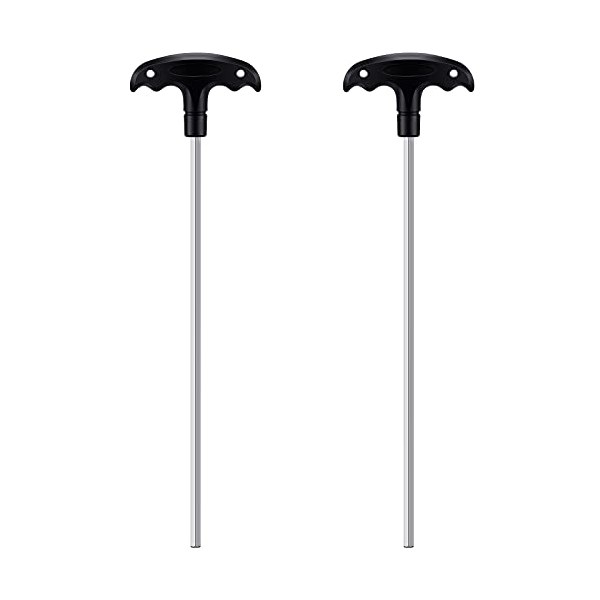 Pool Safety Cover Hex Key Tool (2-Pack)
Hex keys to install or remove a pool safety cover. View on Amazon →
Pool Safety Cover Hex Key Tool (2-Pack)
Hex keys to install or remove a pool safety cover. View on Amazon →
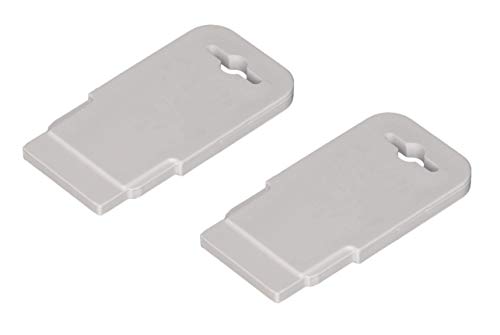 Pool Eyeball / Return Jet Fitting Removal Tool (ATIE)
Pops out & reseats Hayward SP1419 return-jet eyeballs — handy for closing. View on Amazon →
Pool Eyeball / Return Jet Fitting Removal Tool (ATIE)
Pops out & reseats Hayward SP1419 return-jet eyeballs — handy for closing. View on Amazon →
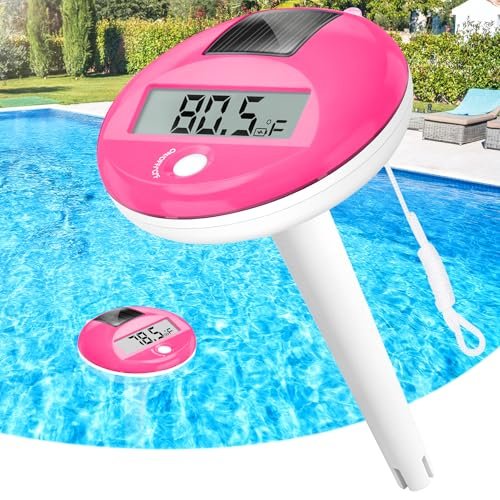 LuxBlue Floating Pool Thermometer, Solar, Large LCD
Easy-read floating thermometer for pool water temperature. View on Amazon →
LuxBlue Floating Pool Thermometer, Solar, Large LCD
Easy-read floating thermometer for pool water temperature. View on Amazon →
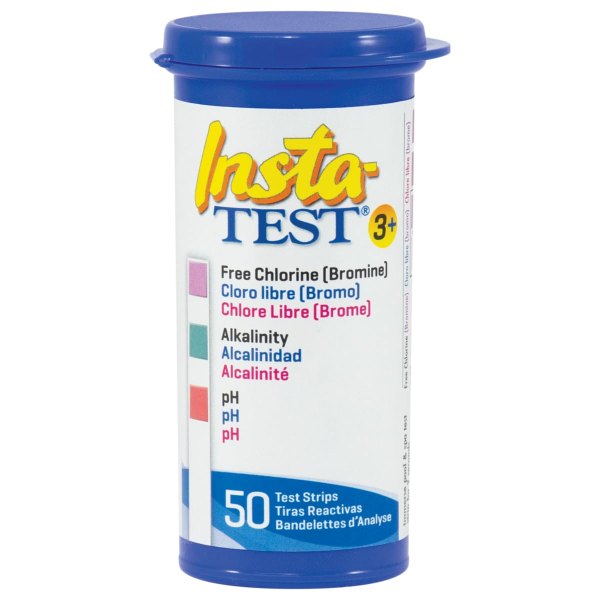 LaMotte Insta-Test 3 Pool Strips (50 ct)
Pro-grade 3-way strips from LaMotte — chlorine, pH & alkalinity, fast and accurate. Top-rated at 4.8★. View on Amazon →
LaMotte Insta-Test 3 Pool Strips (50 ct)
Pro-grade 3-way strips from LaMotte — chlorine, pH & alkalinity, fast and accurate. Top-rated at 4.8★. View on Amazon →
Still need help? Ask a Pool & Spa Expert AD
Get a personalized answer from PoolGuy810 — 30 years owning a pool and spa repair company. Describe your issue and get step-by-step help.
Related Pool Guides
Need More Help?
Try our free pool calculators and tools to help diagnose and fix your pool problems.
Browse Pool ToolsSLAM calculator, pH calculator, salt dosing & more