
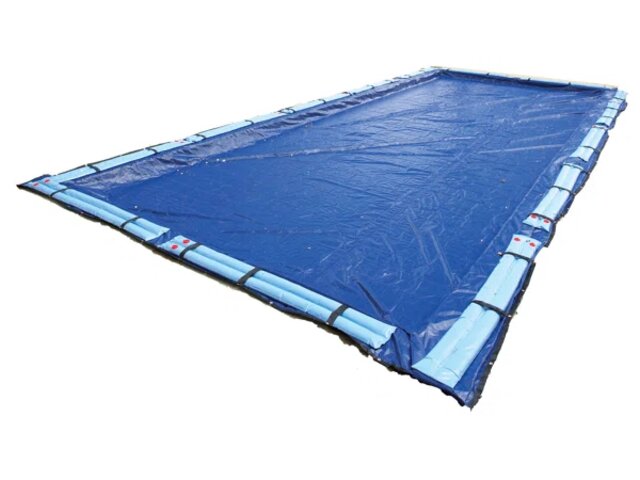
Do I Need a Pool Opening Kit? Spring Pool Startup Guide

Pool opening kit worth it or buy chemicals separately?
Read full question
Called out to open my 20x40 inground pool after winter and I'm staring at nasty green water wondering if I need an opening kit. Store pushing their $80 opening kit with shock, algaecide, clarifier, etc. Makes it easy but seems pricey. Should I just buy liquid chlorine and acid separately? What's actually worth getting?
Quick Answer
Pool opening kits can be convenient but often cost more than buying chemicals individually. You're better off purchasing liquid chlorine, muriatic acid, and other chemicals separately based on your actual test results. This guide explains why individual chemicals work better, what you need for pool opening, and how to calculate and dose chemicals accurately. It also provides safety considerations and a step-by-step strategy for a successful pool opening.
What's Actually in Most Pool Opening Kits
Most commercial pool opening kits include a standard mix of chemicals regardless of your pool size or condition:
- Calcium hypochlorite shock (usually 1-2 pounds)
- Algaecide (typically quaternary ammonium compounds)
- Clarifier or flocculant
- pH increaser (sodium carbonate)
- Sometimes stabilizer (cyanuric acid)
- Metal sequestrant
The problem is these amounts are rarely tailored to your specific situation. A 10,000-gallon pool that's been properly winterized needs different treatment than a 20,000-gallon pool with visible algae growth.
Why Individual Chemicals Work Better
Purchasing chemicals individually based on actual test results is more effective and economical for several reasons:
Cost Savings
Pool opening kits typically cost $40-80, while buying the same chemicals separately often runs $25-50. You're paying a premium for the convenience and packaging, not better results.
Appropriate Dosing
With individual chemicals, you can dose precisely based on your pool volume and test results. For example, if your pool needs to go from 0 ppm to 10 ppm free chlorine (FCFree Chlorine — The chlorine actively sanitizing your water right now. This is the number you keep an eye on. how much you need →), you'll need about 3/4 gallon of 12.5% liquid chlorine per 10,000 gallons. A kit might only include 1-2 pounds of calcium hypochlorite, which may be insufficient for larger pools or those with algae problems.
Better Chemical Choices
Many kits include calcium hypochlorite (cal-hypo) shock, which adds calcium hardness and can cause cloudiness. Liquid chlorine (sodium hypochlorite) is often a better choice as it doesn't add unwanted byproducts and mixes instantly.
What You Actually Need for Pool Opening
Instead of a kit, focus on these essentials based on your test results:
Testing Supplies
Start with a reliable test kit like the Taylor K-2006 or TF-100. Test for free chlorine (FC), combined chlorine (CCCombined Chlorine — "Used-up" chlorine left over from doing its job. Above about 0.5 ppm is the classic sign water needs a shock. learn more →), pH, total alkalinity (TATotal Alkalinity — The buffer that keeps your pH from bouncing around. Get this in range and pH gets a lot easier to manage. learn more →), calcium hardness (CH), and cyanuric acid (CYACyanuric Acid (stabilizer) — Sunscreen for your chlorine — it keeps sunlight from burning it off. The catch: the more you have, the more chlorine you need to keep. learn more →).
Primary Sanitizer
Liquid chlorine is typically your best bet for initial shocking. If you're dealing with algae, you may need to perform a SLAMShock Level And Maintain — raise free chlorine to a target based on your CYA and hold it there until the algae is gone. It's a process, not a one-time dose. the SLAM walkthrough → (Shock Level And Maintain) process, keeping FC at the shock level for your CYA (about 40% of CYA) until the pool clears. Use our all-in-one pool calculator to estimate the shock level for your CYA.
pH Adjustment
Most pools need pH adjustment after winter. Use muriatic acid to lower pH (dosing depends on starting alkalinity and target pH) or sodium carbonate to raise it. The ideal pH range is 7.4-7.6, with an acceptable range of 7.2-7.8.
Alkalinity Control
Total alkalinity should be 60-80 ppm for salt water generators or 80-120 ppm for traditional chlorine pools. Use sodium bicarbonate to raise TA or muriatic acid to lower it.
When Pool Opening Kits Might Make Sense
There are limited situations where a kit could be appropriate:
- Very small pools (under 8,000 gallons) where chemical quantities are minimal
- Pools that were properly winterized and closed with minimal issues
- First-time pool owners who want to start simple (though individual chemicals are still recommended)
- When kits are heavily discounted (50% or more off regular price)
The Smart Pool Opening Strategy
Follow this approach instead of relying on a generic kit:
- Remove winter cover and clean debris
- Reconnect equipment and start circulation
- Test water thoroughly using a quality test kit
- Work out your chemical needs based on test results and pool volume. Use our all-in-one pool calculator to help you estimate the amount, but always re-test your water after dosing and follow the product label or manufacturer's instructions.
- Purchase individual chemicals as needed
- Address major imbalances first (alkalinity, then pH)
- Shock with liquid chlorine if needed
- Retest after 24 hours of circulation
- Adjust as necessary based on new test results
Safety Considerations
Never mix different pool chemicals, whether from kits or individual purchases. Add chemicals separately with the pump running, allowing about 30 minutes of circulation between different chemical additions. Always add acid to water, never water to acid.
Bottom Line
Skip the pool opening kit and invest in a quality test kit instead. Test first, calculate what you actually need, then buy individual chemicals. You'll save money, get better results, and learn more about proper pool maintenance in the process. The only "kit" worth buying is a comprehensive test kit that will serve you all season long.
For the full breakdown of safe chlorine levels by CYA level, see our pool water chemistry guide.
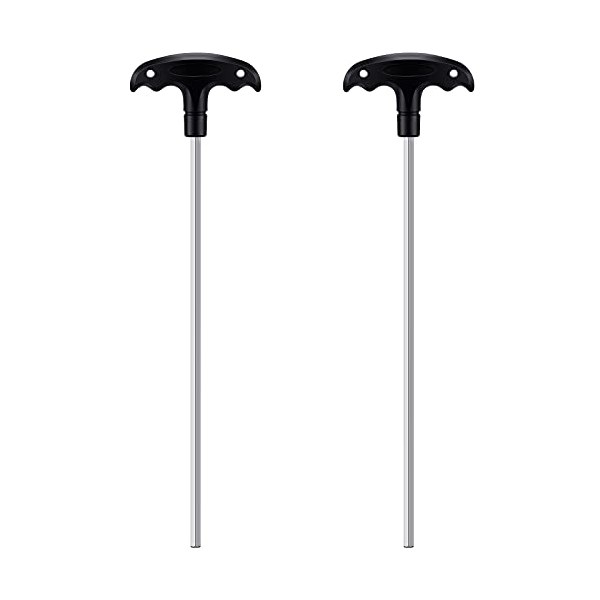 Pool Safety Cover Hex Key Tool (2-Pack)
Hex keys to install or remove a pool safety cover. View on Amazon →
Pool Safety Cover Hex Key Tool (2-Pack)
Hex keys to install or remove a pool safety cover. View on Amazon →
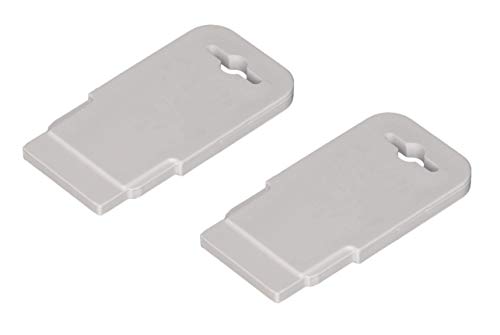 Pool Eyeball / Return Jet Fitting Removal Tool (ATIE)
Pops out & reseats Hayward SP1419 return-jet eyeballs — handy for closing. View on Amazon →
Pool Eyeball / Return Jet Fitting Removal Tool (ATIE)
Pops out & reseats Hayward SP1419 return-jet eyeballs — handy for closing. View on Amazon →
 Taylor K-2006C Complete FAS-DPD Pool & Spa Test Kit
The FAS-DPD kit pool pros trust — reads chlorine accurately even at shock/SLAM levels, plus pH, alkalinity, calcium hardness and CYA. View on Amazon →
Taylor K-2006C Complete FAS-DPD Pool & Spa Test Kit
The FAS-DPD kit pool pros trust — reads chlorine accurately even at shock/SLAM levels, plus pH, alkalinity, calcium hardness and CYA. View on Amazon →
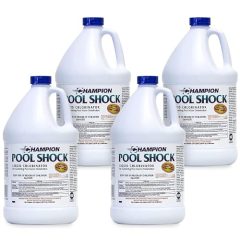 Liquid Chlorine / Sodium Hypochlorite (12.5%)
Everyday sanitizer — the B in BBB View on Amazon →
Liquid Chlorine / Sodium Hypochlorite (12.5%)
Everyday sanitizer — the B in BBB View on Amazon →
Still need help? Ask a Pool & Spa Expert AD
Get a personalized answer from PoolGuy810 — 30 years owning a pool and spa repair company. Describe your issue and get step-by-step help.
Related Pool Guides
Need More Help?
Try our free pool calculators and tools to help diagnose and fix your pool problems.
Browse Pool ToolsSLAM calculator, pH calculator, salt dosing & more