Do Vinyl Pools Need Calcium Hardness? Complete Guide
Yes, vinyl pools need calcium hardness maintained between 150-250 ppm to prevent equipment corrosion and water balance issues. This is lower than plaster pools which need 250-350 ppm.
Yes, liner pools need calcium hardness maintained between 150-300 ppm for proper water balance and equipment protection. While vinyl liners don't require as much calcium as plaster pools, maintaining adequate levels prevents corrosive water conditions.
Fiberglass pools need calcium hardness maintained between 150-300 ppm for proper water balance and equipment protection. Lower levels than plaster pools are acceptable since fiberglass doesn't dissolve like concrete surfaces.
Not all pools need calcium at the same levels. Plaster pools require 250-350 ppm calcium hardness to prevent etching, while vinyl and fiberglass pools need lower levels around 150-250 ppm to avoid scale buildup and equipment damage.
Yes, pools need calcium to prevent equipment damage and surface deterioration. Ideal calcium hardness levels are 250-350 ppm for plaster pools and 150-300 ppm for vinyl/fiberglass pools.
Fiberglass pools do need calcium hardness, but at lower levels than plaster pools. Maintain CH between 150-300 ppm to prevent equipment damage while avoiding surface issues.
Vinyl pools do need calcium hardness, but at lower levels than plaster pools - typically 150-300 ppm compared to 250-350 for plaster. Too low causes corrosion, too high causes scaling and cloudy water.
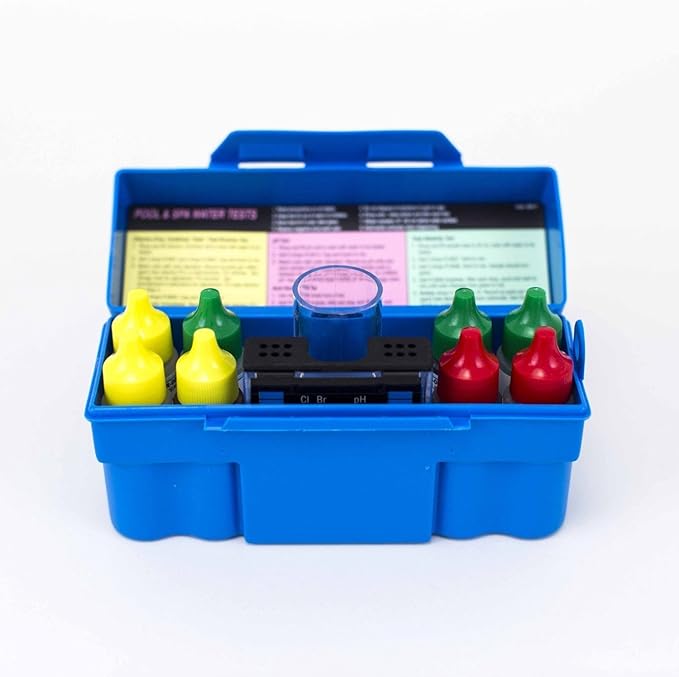
Yes, your pool needs calcium hardness to protect surfaces and equipment. Target 250-350 ppm for plaster pools, 150-250 ppm for vinyl/fiberglass, and test monthly to prevent damage.