How Long Are Pools Open in Texas? Swimming Season Guide
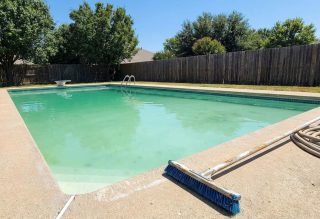
Most Texas pools operate 8-10 months per year (March through November) due to the warm climate. With proper heating systems, many pools can stay open year-round in most Texas regions.
Yes, you need a pool safety certificate in Queensland. Pool owners must obtain certificates every 1-2 years depending on property type, with inspections required before sale, lease, or registration.
In most areas, you legally need a pool fence if your pool is 18+ inches deep. Pool fences must be at least 4 feet high with self-closing, self-latching gates to prevent accidental drowning, especially for children.
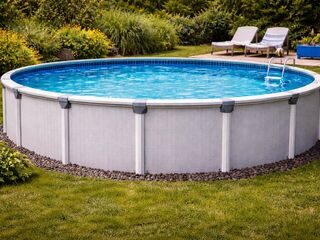
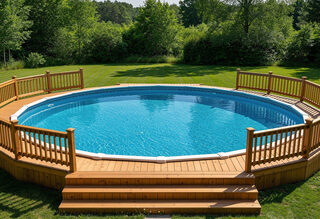
In Florida, above ground pools typically require permits if they hold more than 5,000 gallons of water or are deeper than 24 inches. Requirements vary by county, so check with your local building department before installation.
Yes, you need a building permit for swimming pools in the Philippines, regardless of size or type. The process involves submitting plans to your local government unit (LGU), paying fees, and obtaining approval before construction begins.
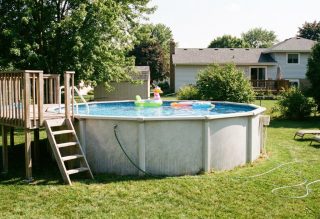
Above ground pools should typically be at least 10 feet from your house, though local building codes may require 15-25 feet. Check with your local building department for specific setback requirements in your area.
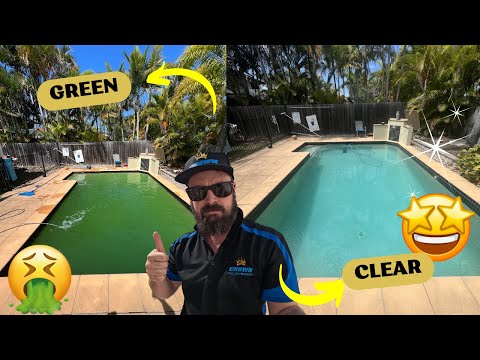
You can close a green pool, but it's not recommended as algae will worsen over winter. Either treat the algae with SLAM method before closing, or use extra winterizing chemicals and accept potential spring cleanup issues.
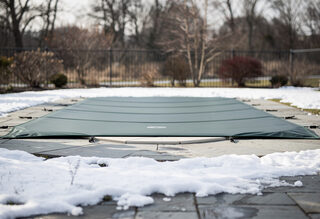
Pool covers cannot replace safety fences in most jurisdictions. Safety covers must meet ASTM standards and be automatic, but local codes typically require permanent barriers like fences around pools.
Yes, vinyl pool liners can be recycled through specialized programs, though standard curbside recycling won't accept them. Most manufacturers offer take-back programs, and some waste management companies have vinyl recycling options.
Yes, you typically need insurance coverage for above ground pools through your homeowners policy. Most insurers require notification and may adjust premiums based on pool size, depth, and safety features installed.
You should never fully bury a standard above ground pool as it's not engineered to handle soil pressure and can collapse or fail catastrophically. However, semi-inground installation is possible with proper reinforcement and specific pool models designed for this purpose.
Yes, most pool installations require building permits and approvals from local authorities. Requirements vary by location but typically include building permits, electrical permits, and inspections for safety compliance.
Pool compliance certificates are required in many jurisdictions to ensure safety standards are met. Requirements vary by location, but generally involve barrier inspections, safety equipment checks, and ongoing maintenance compliance.
You cannot directly use Southwest Rapid Rewards points for pool construction, but you can use Southwest credit card cashback features, cash advances, or convert points to Amazon gift cards for pool supplies and equipment purchases.